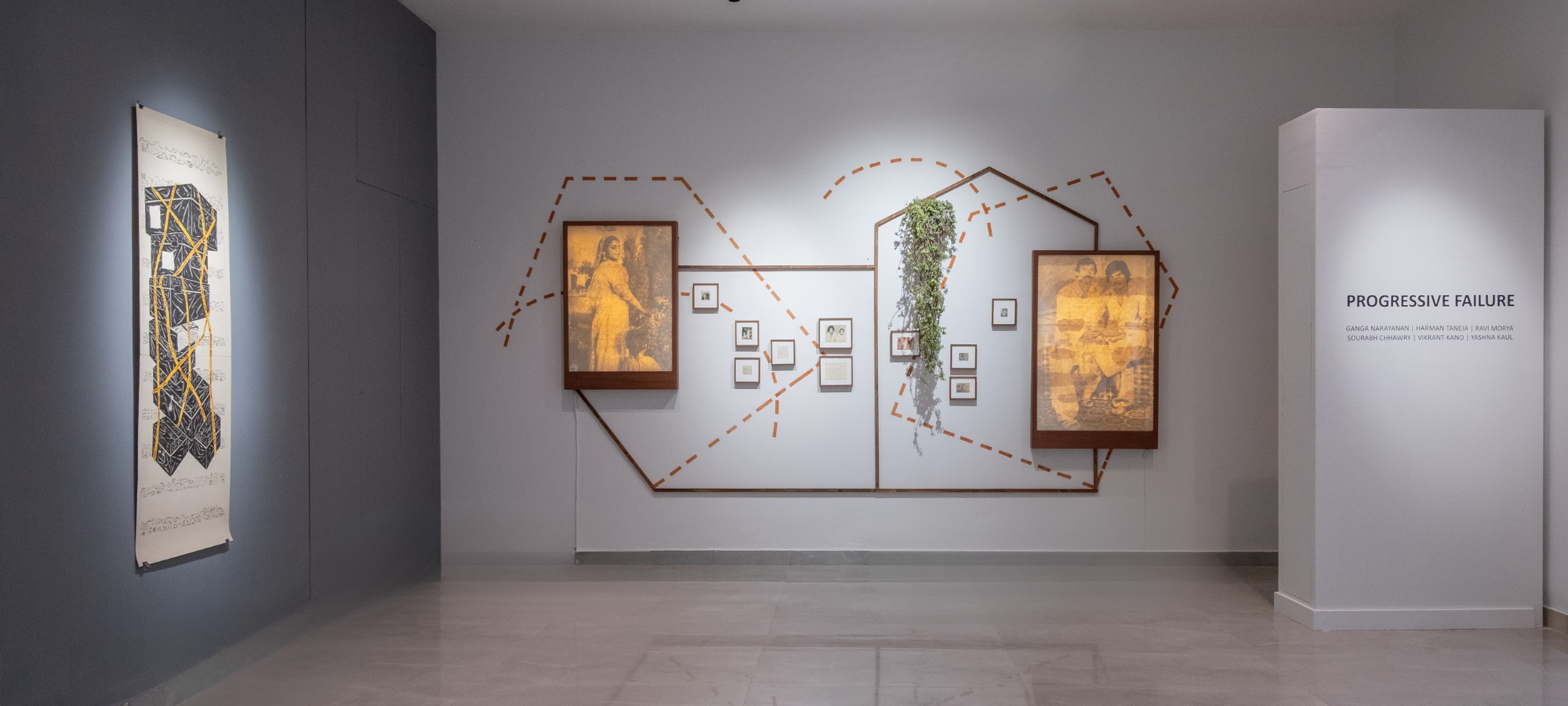
PROGRESSIVE FAILURE
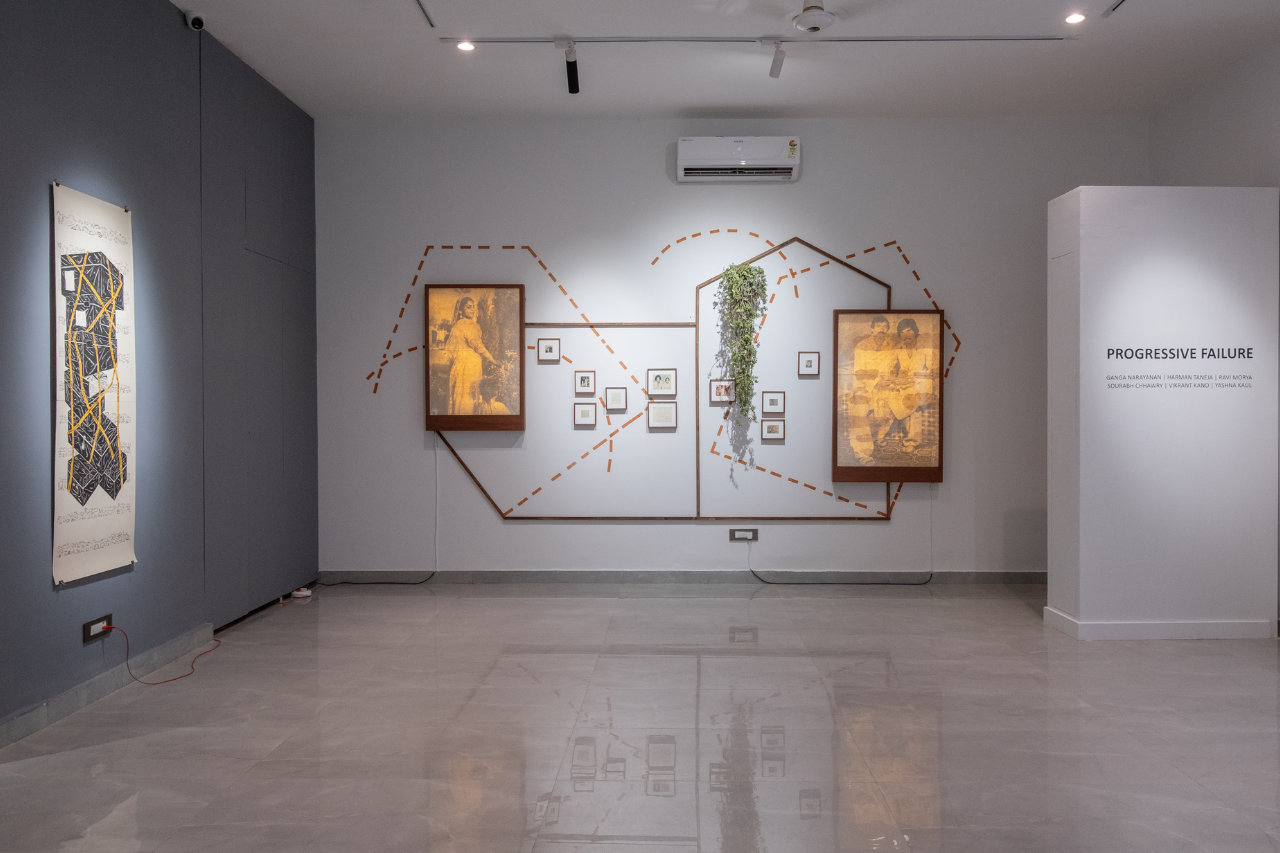
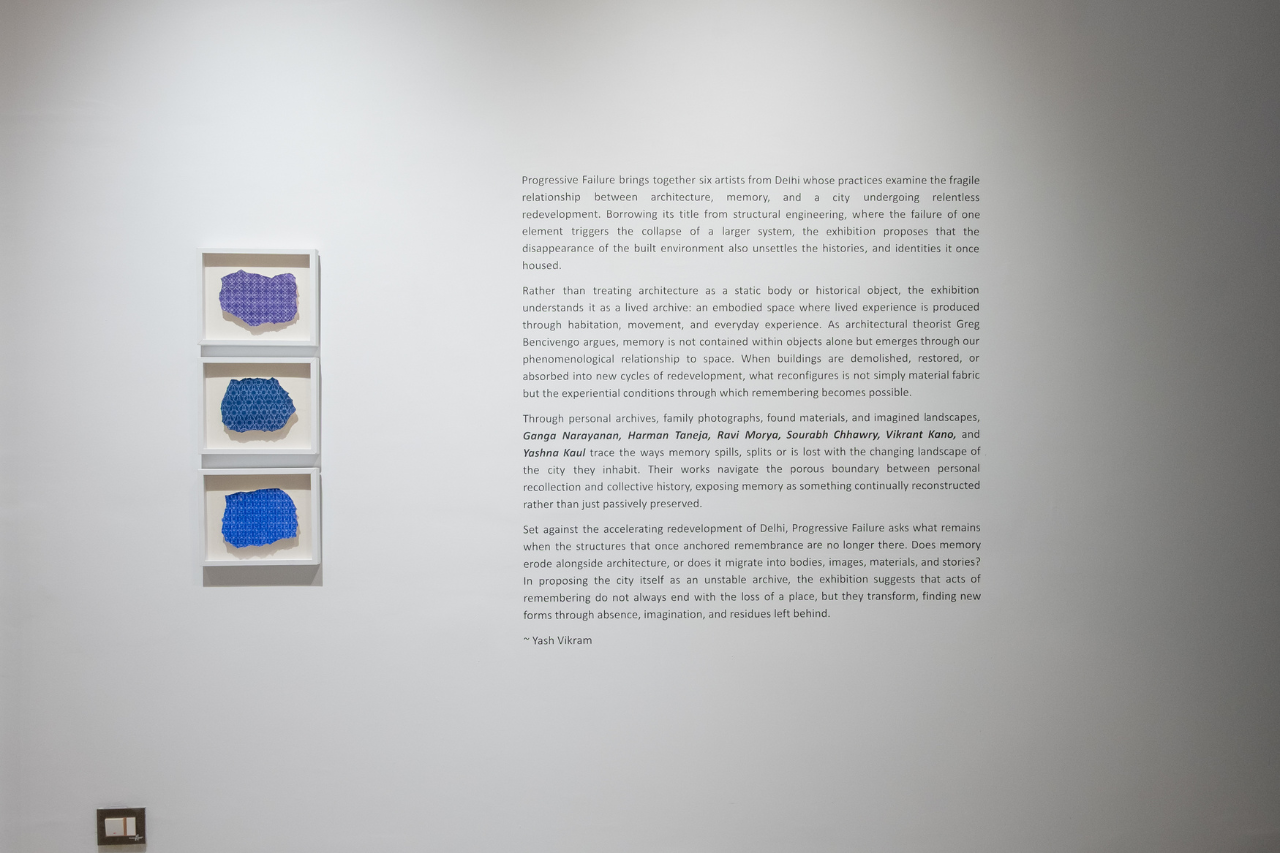
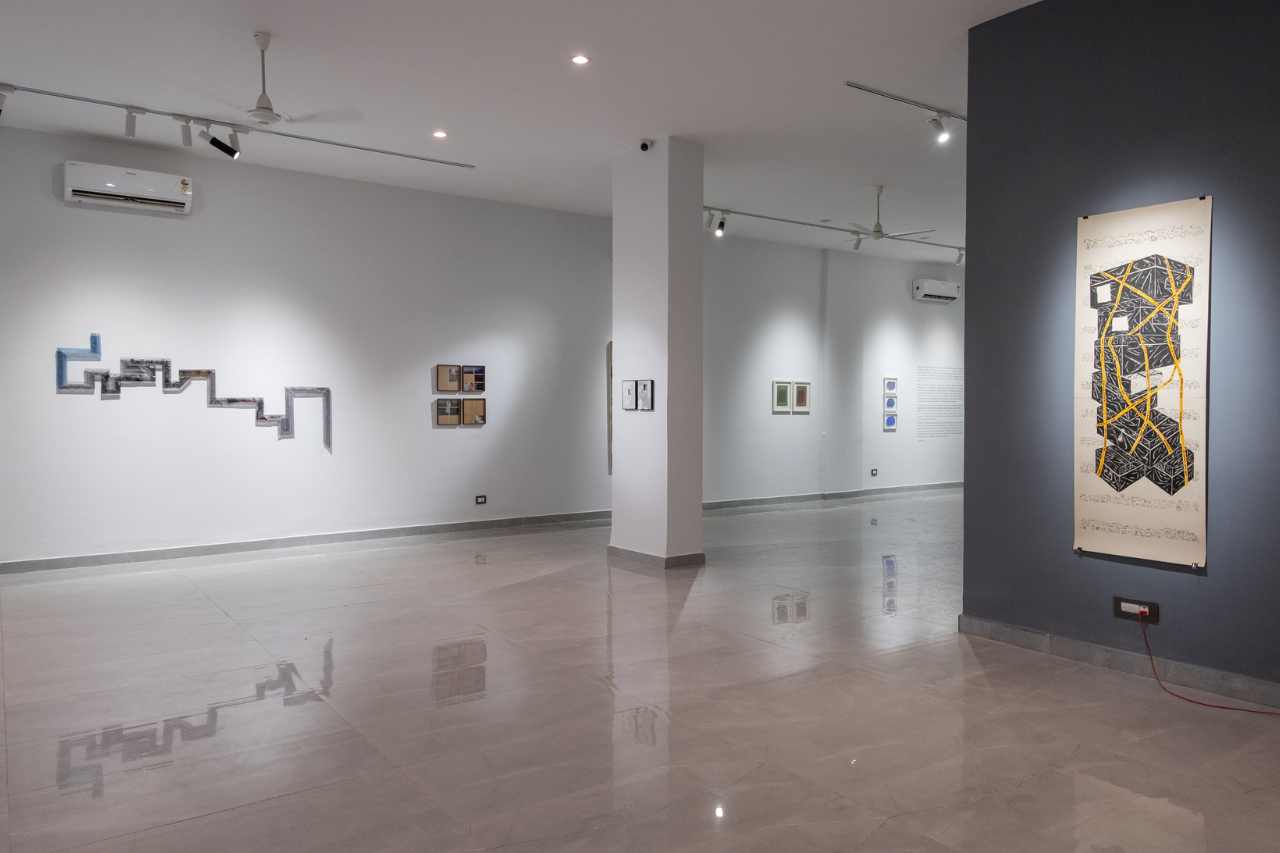
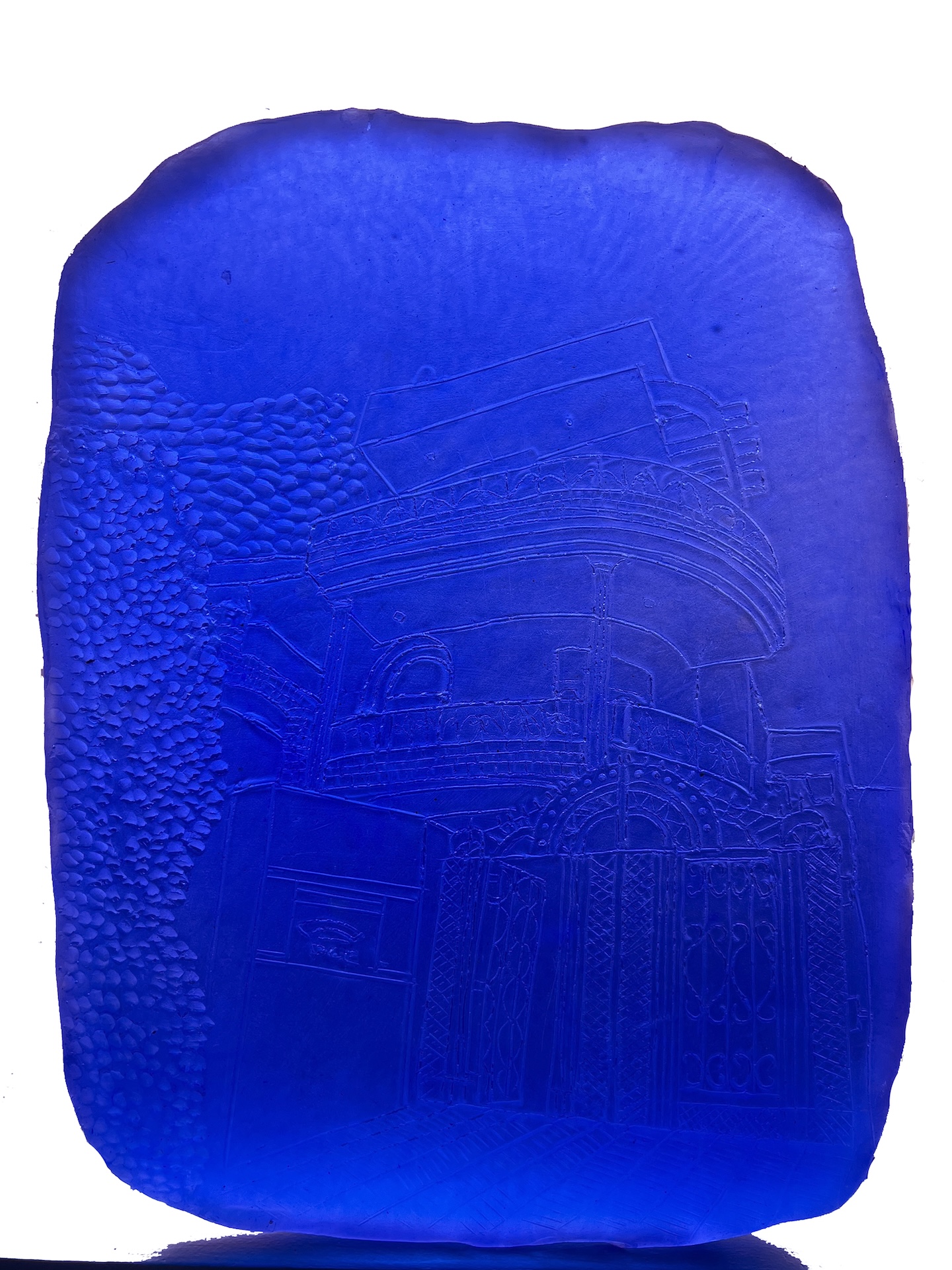
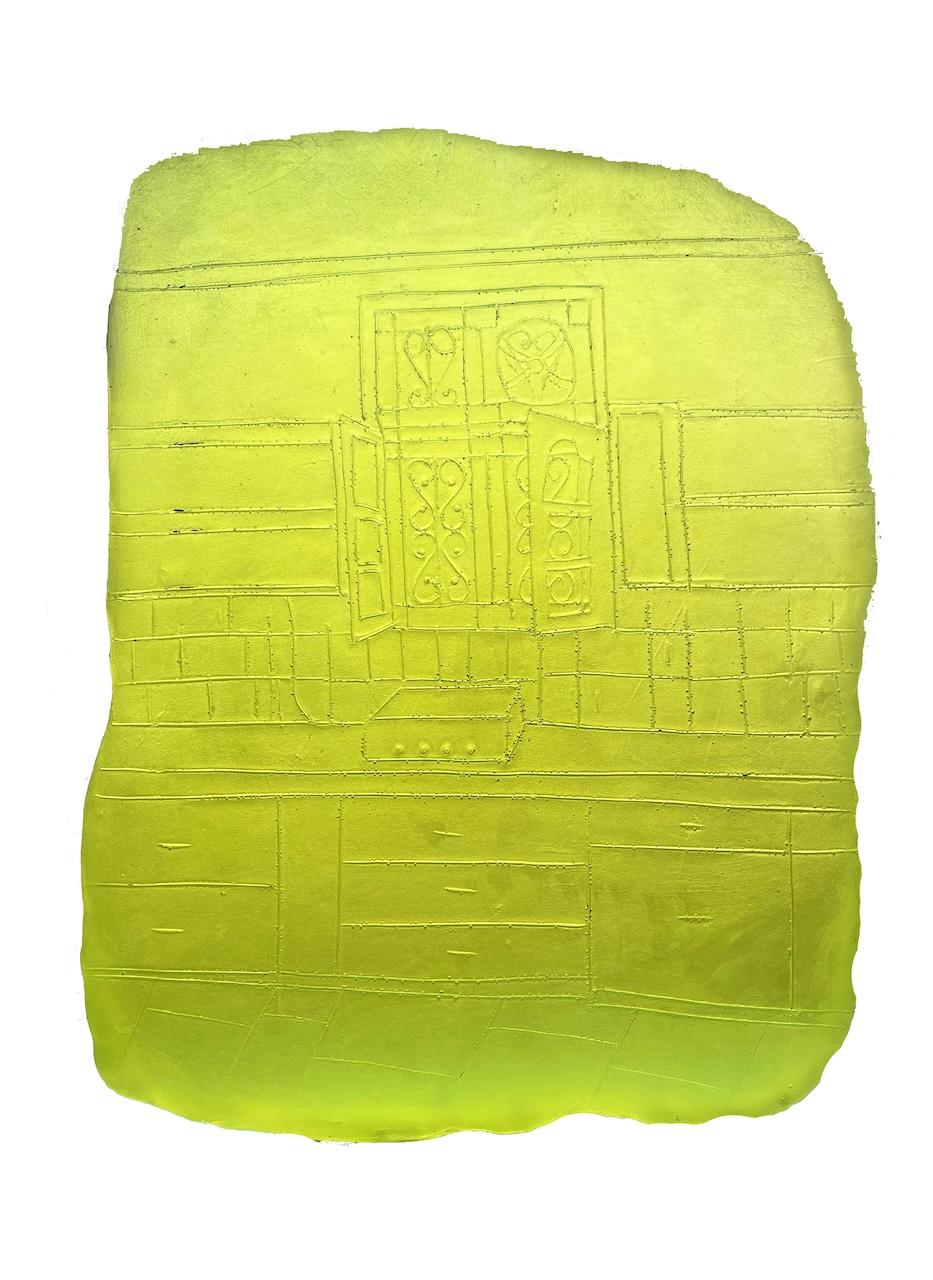
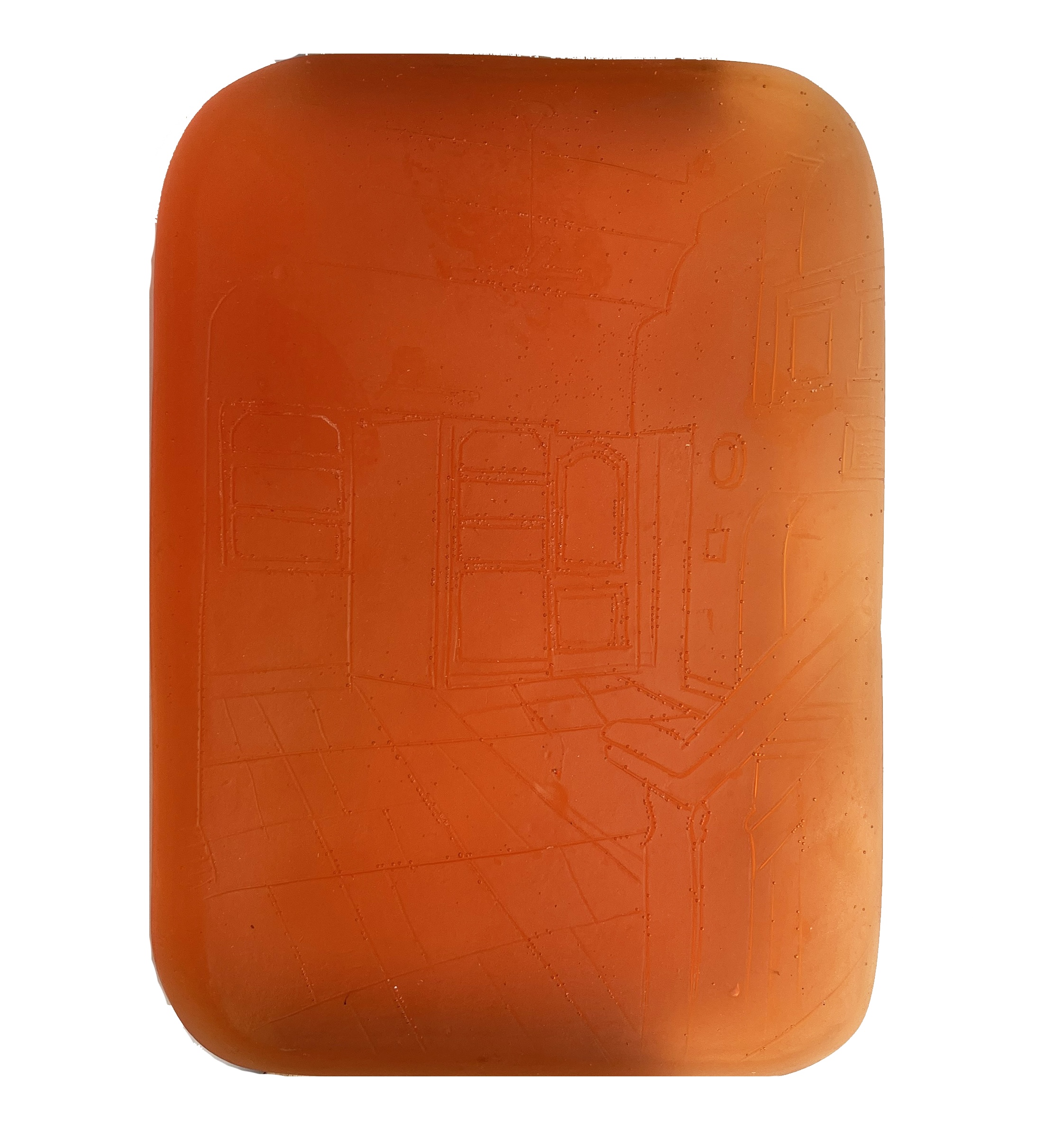
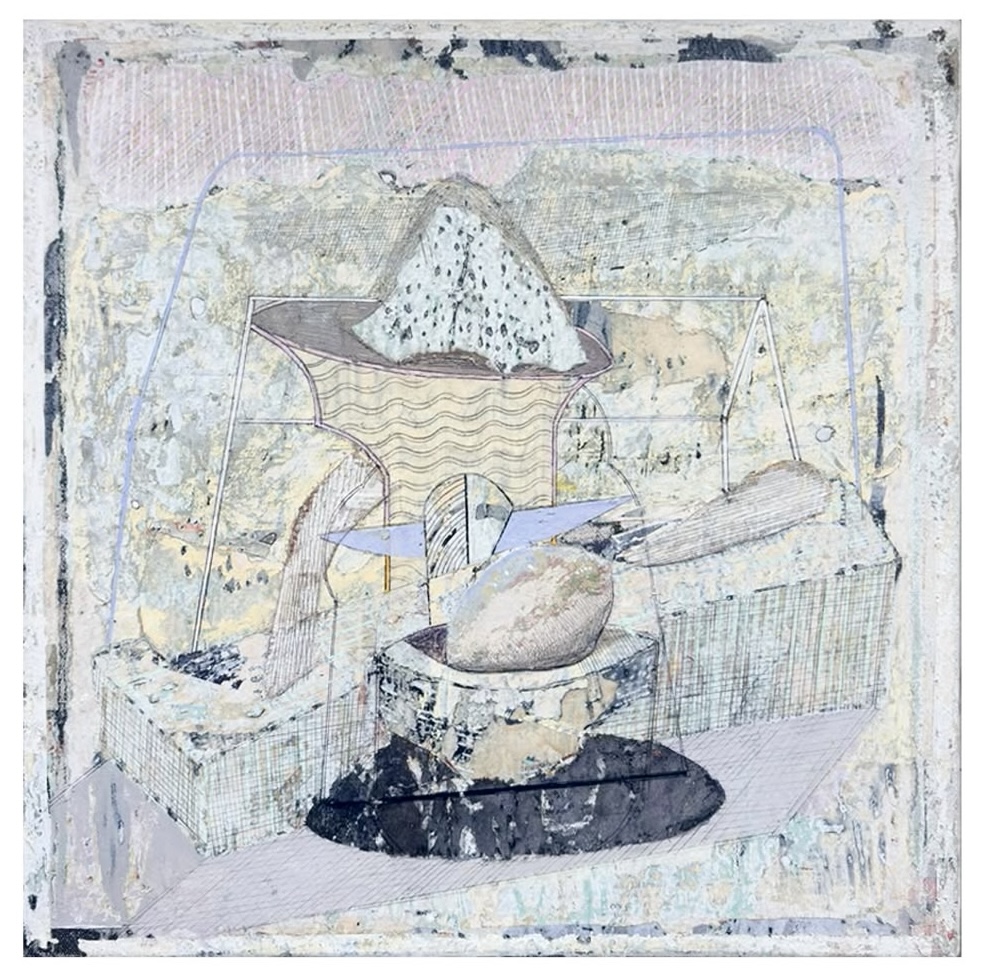
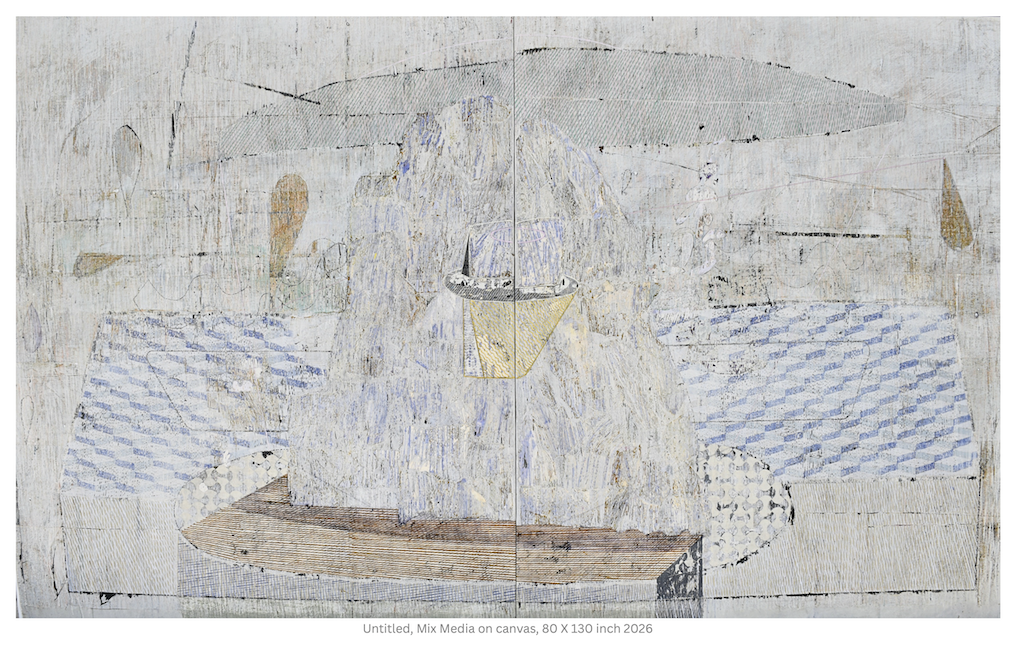
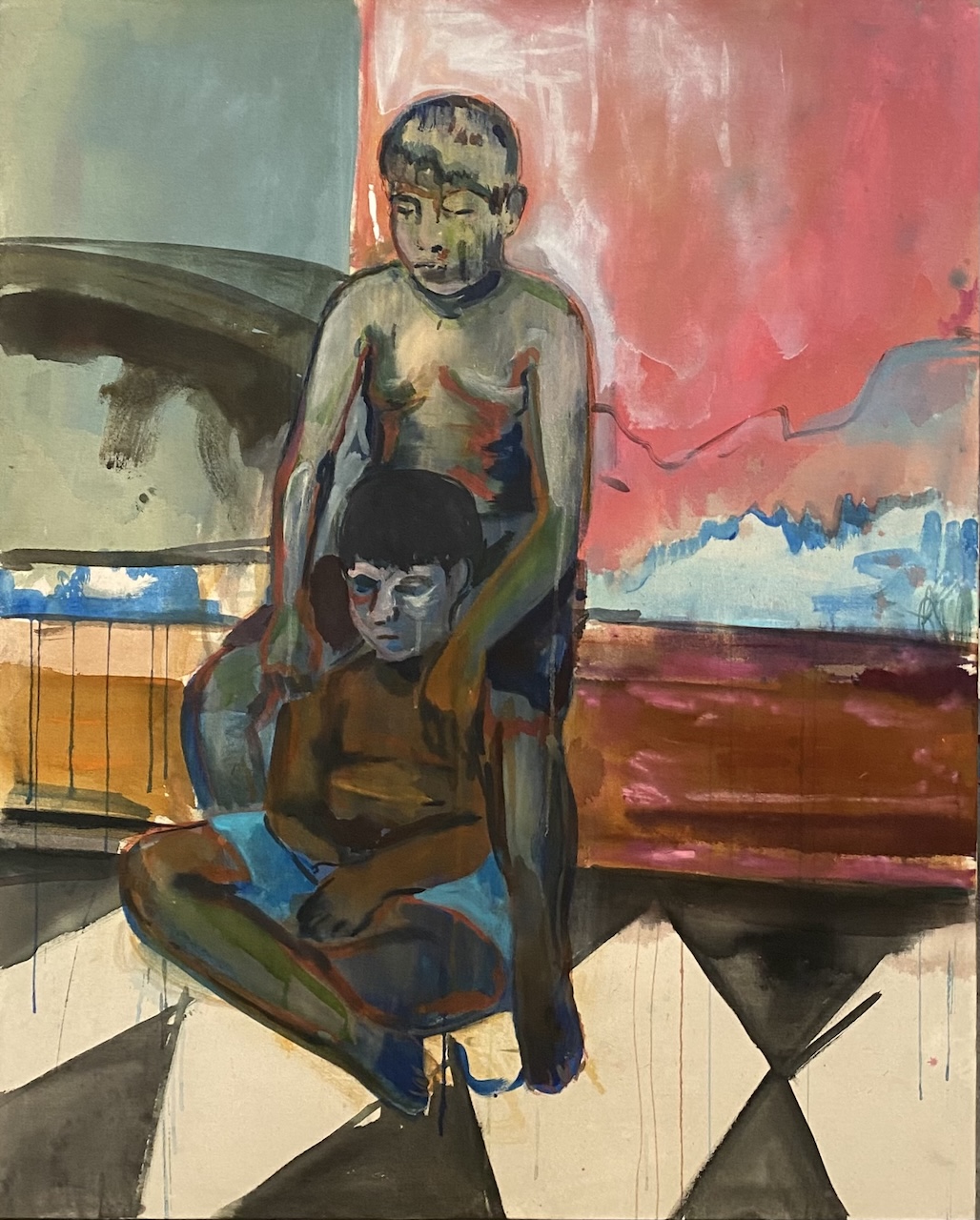
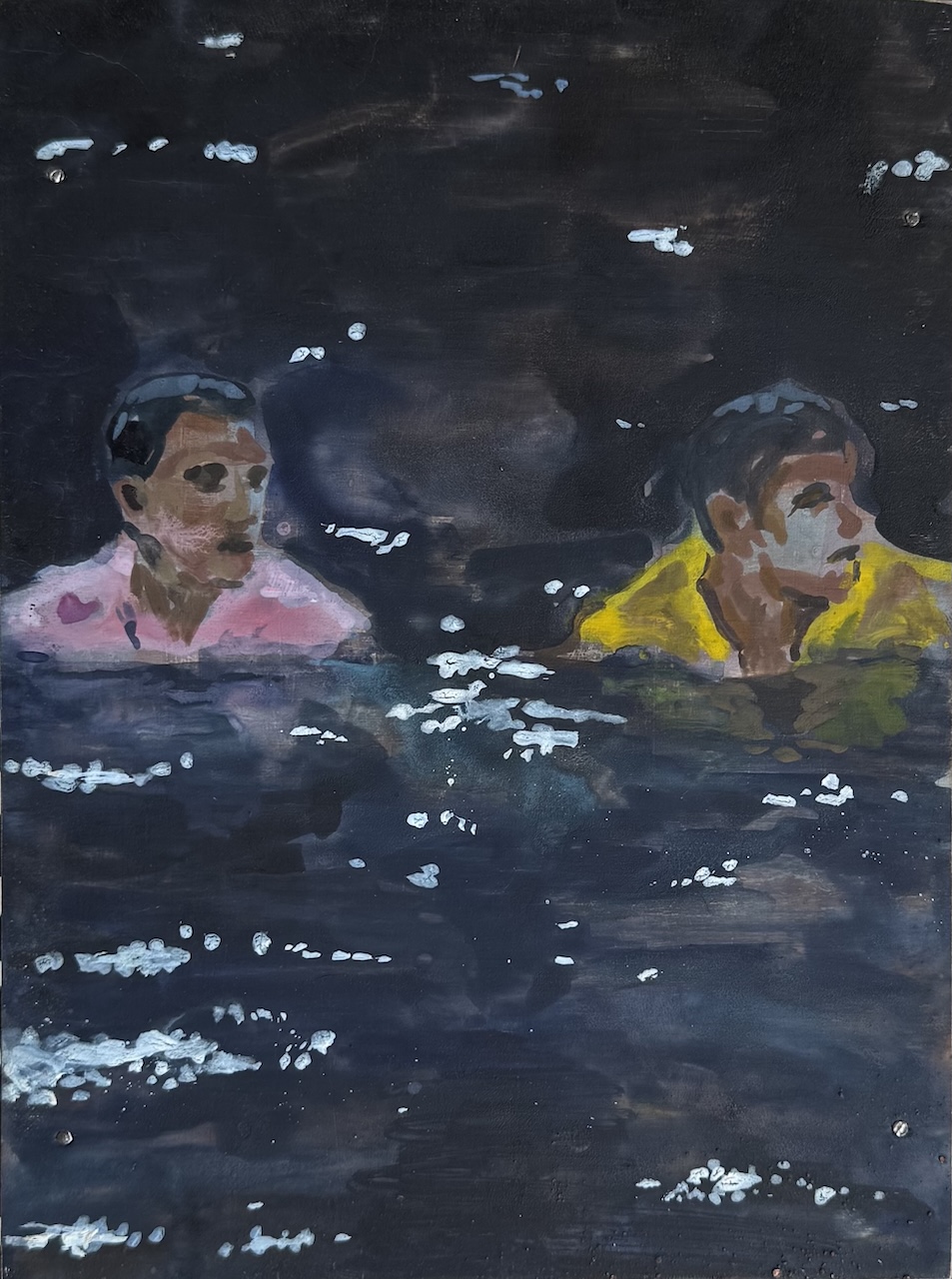
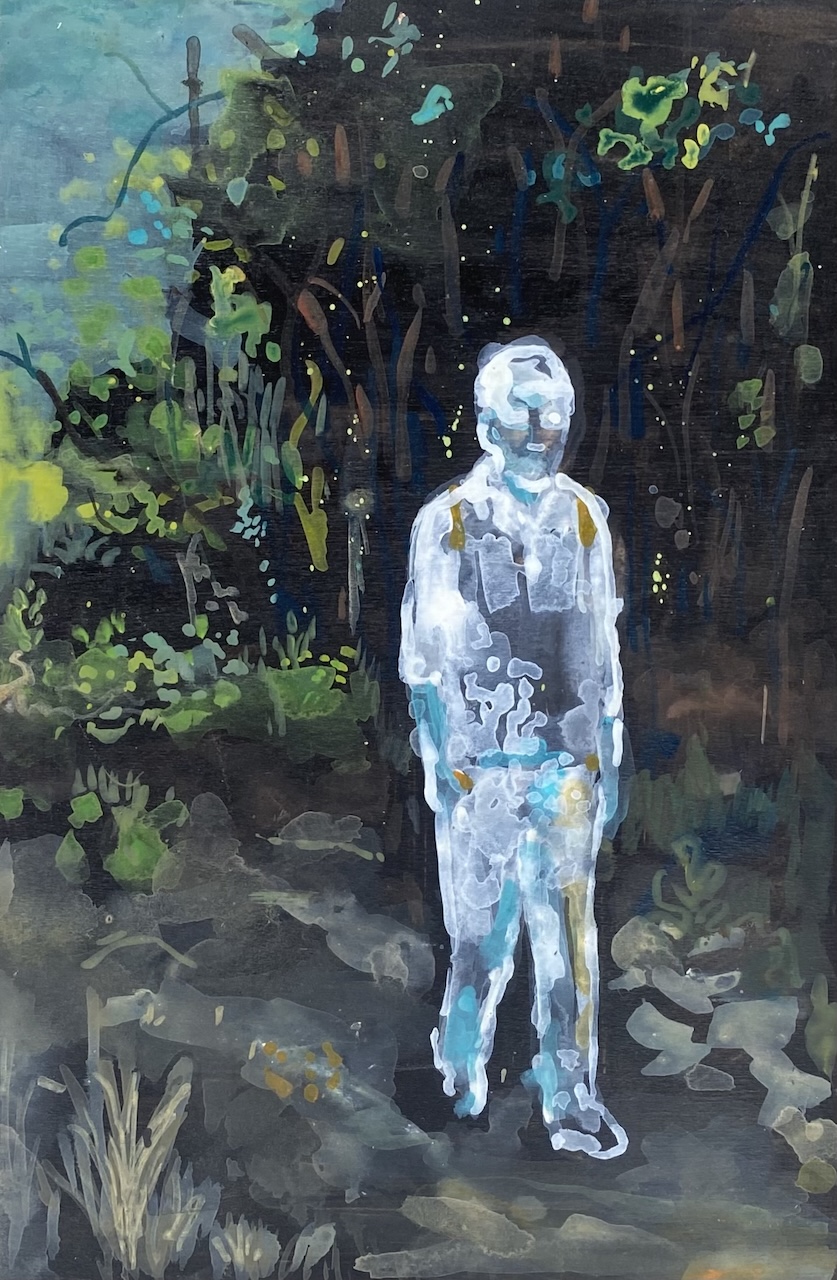
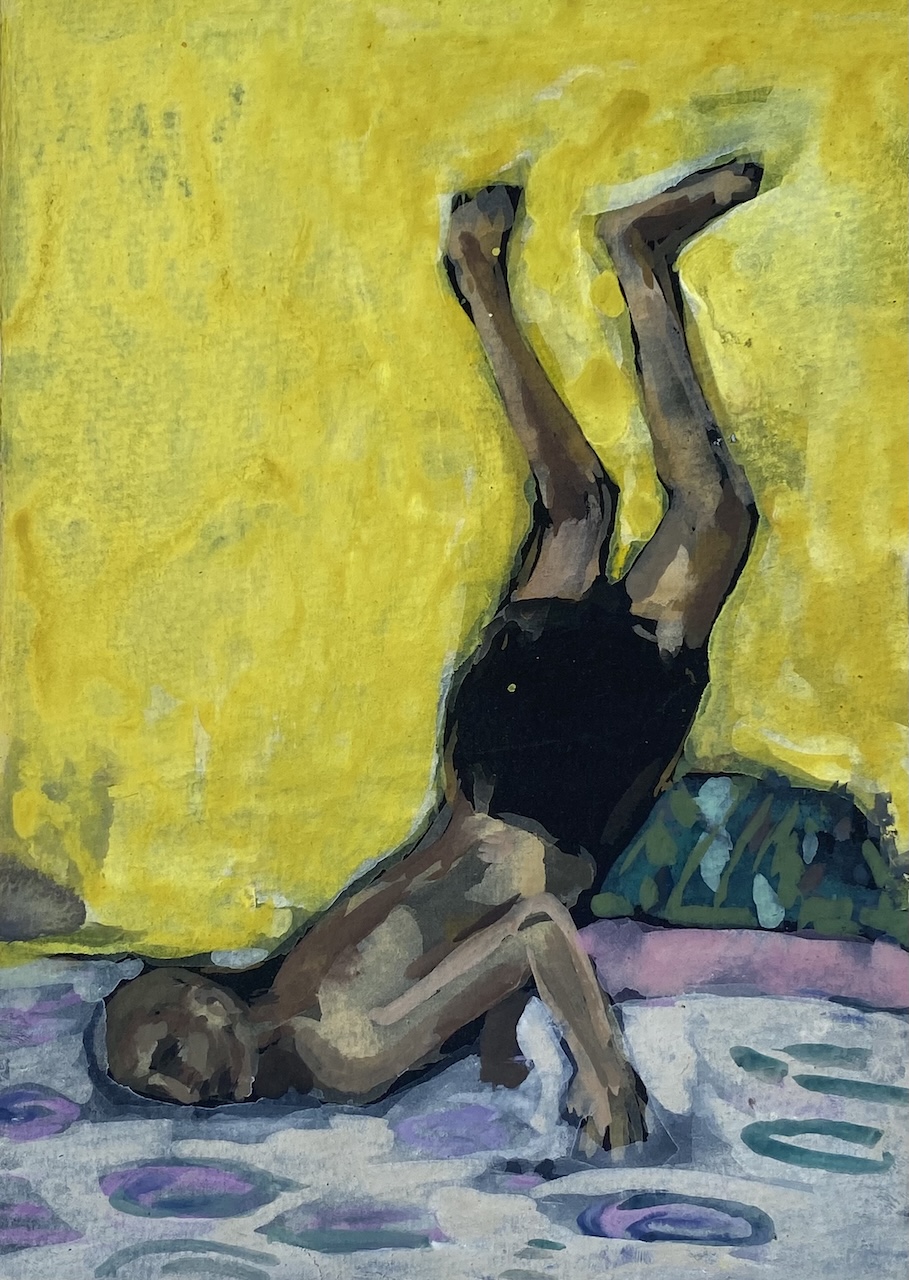
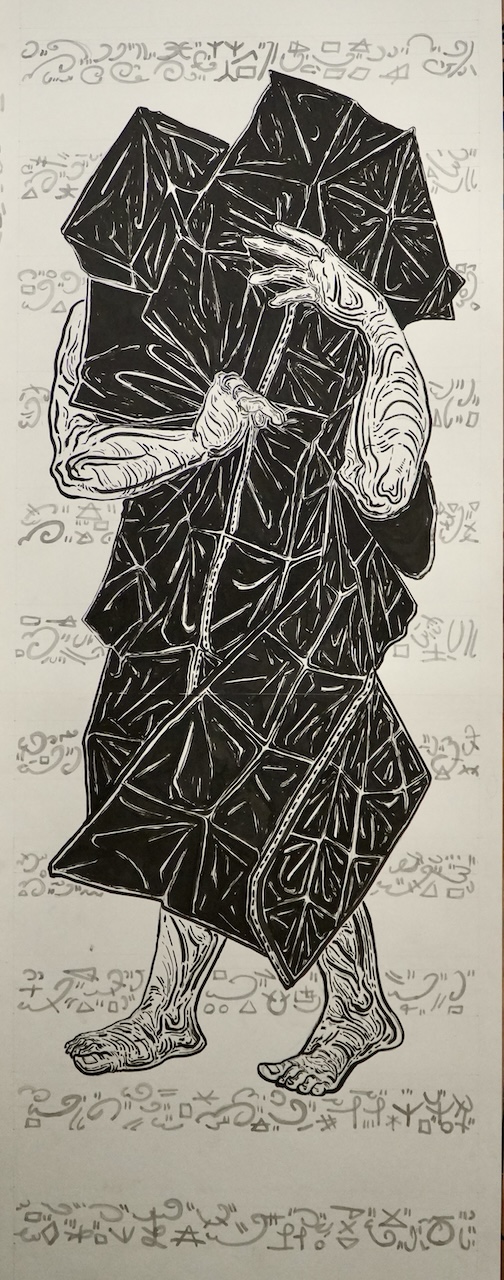
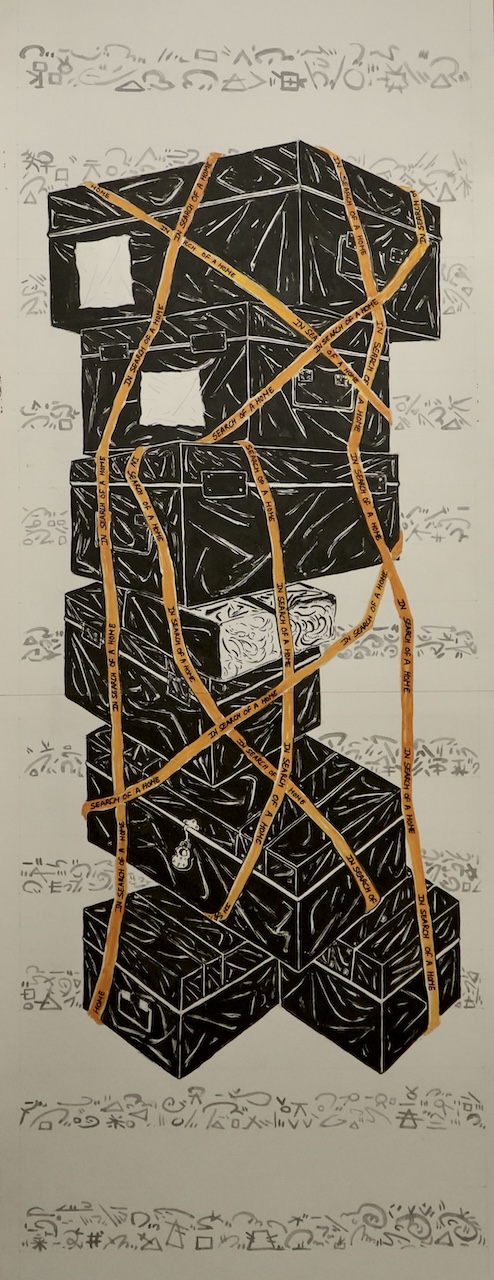
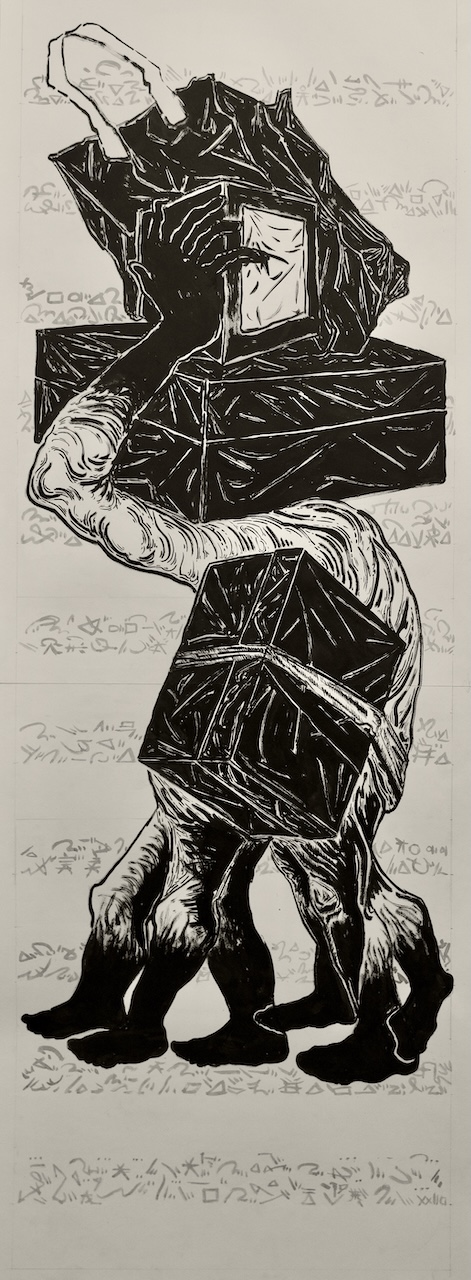
Progressive Failure brings together six artists from Delhi whose practices examine the fragile relationship between architecture, memory, and a city undergoing relentless redevelopment. Borrowing its title from structural engineering, where the failure of one element triggers the collapse of a larger system, the exhibition proposes that the disappearance of the built environment also unsettles the histories, and identities it once housed.
Rather than treating architecture as a static body or historical object, the exhibition understands it as a lived archive: an embodied space where lived experience is produced through habitation, movement, and everyday experience. As architectural theorist Greg Bencivengo argues, memory is not contained within objects alone but emerges through our phenomenological relationship to space. When buildings are demolished, restored, or absorbed into new cycles of redevelopment, what reconfigures is not simply material fabric but the experiential conditions through which remembering becomes possible.
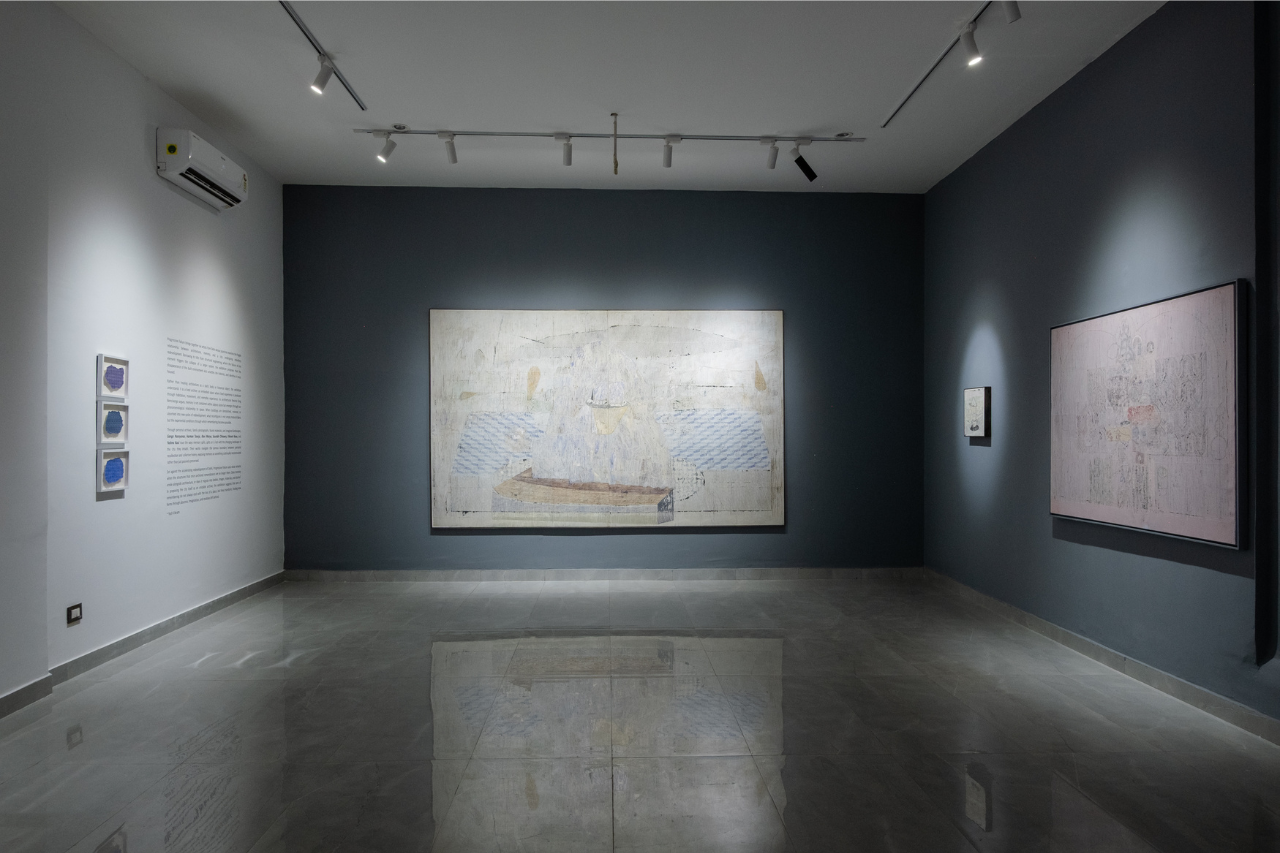
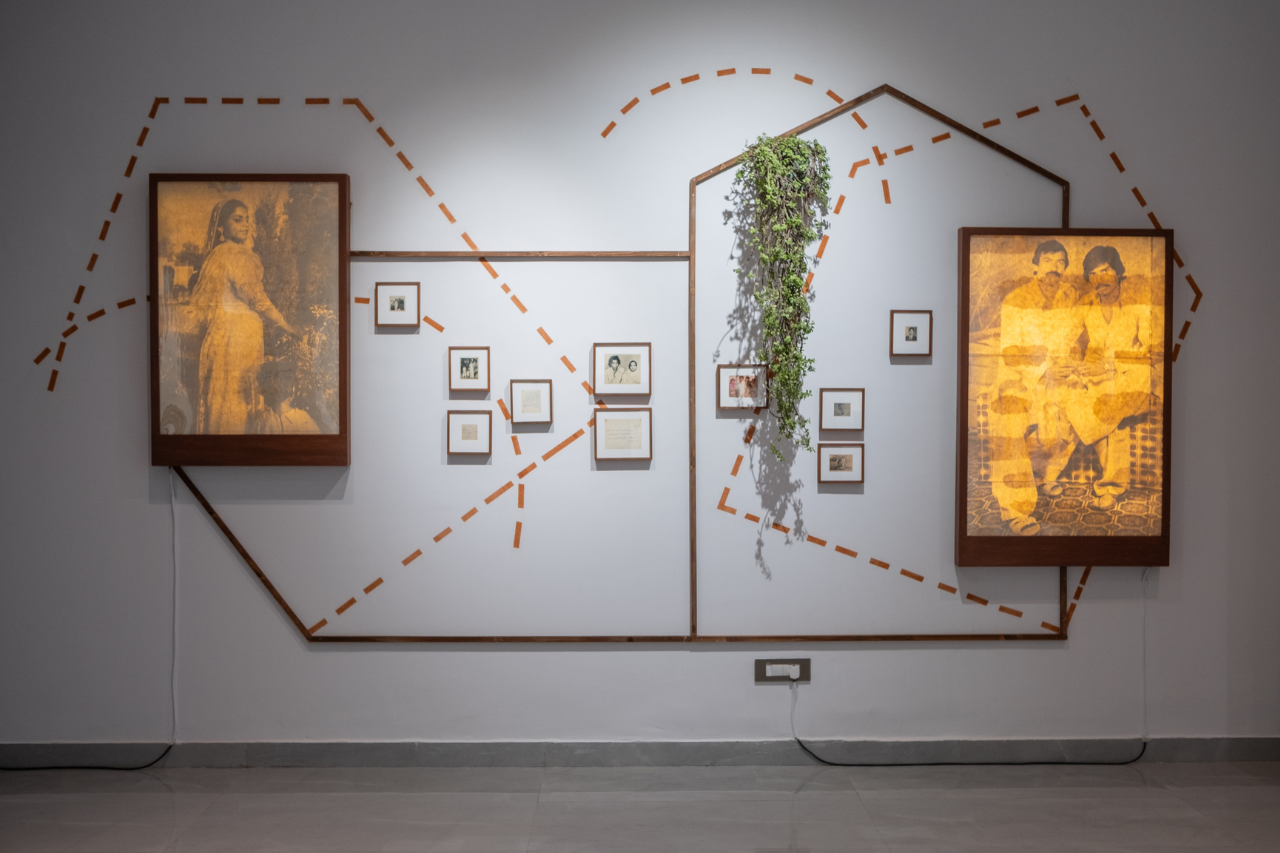
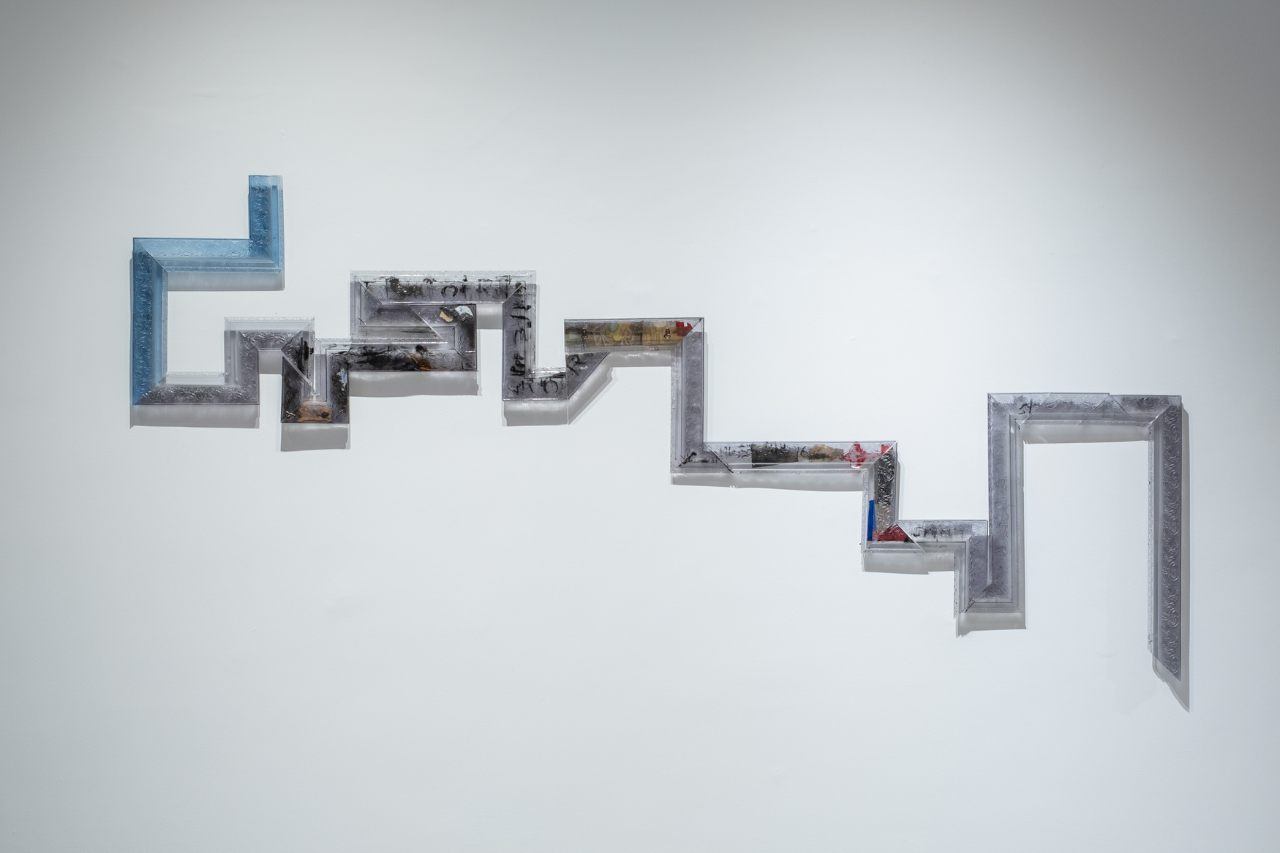
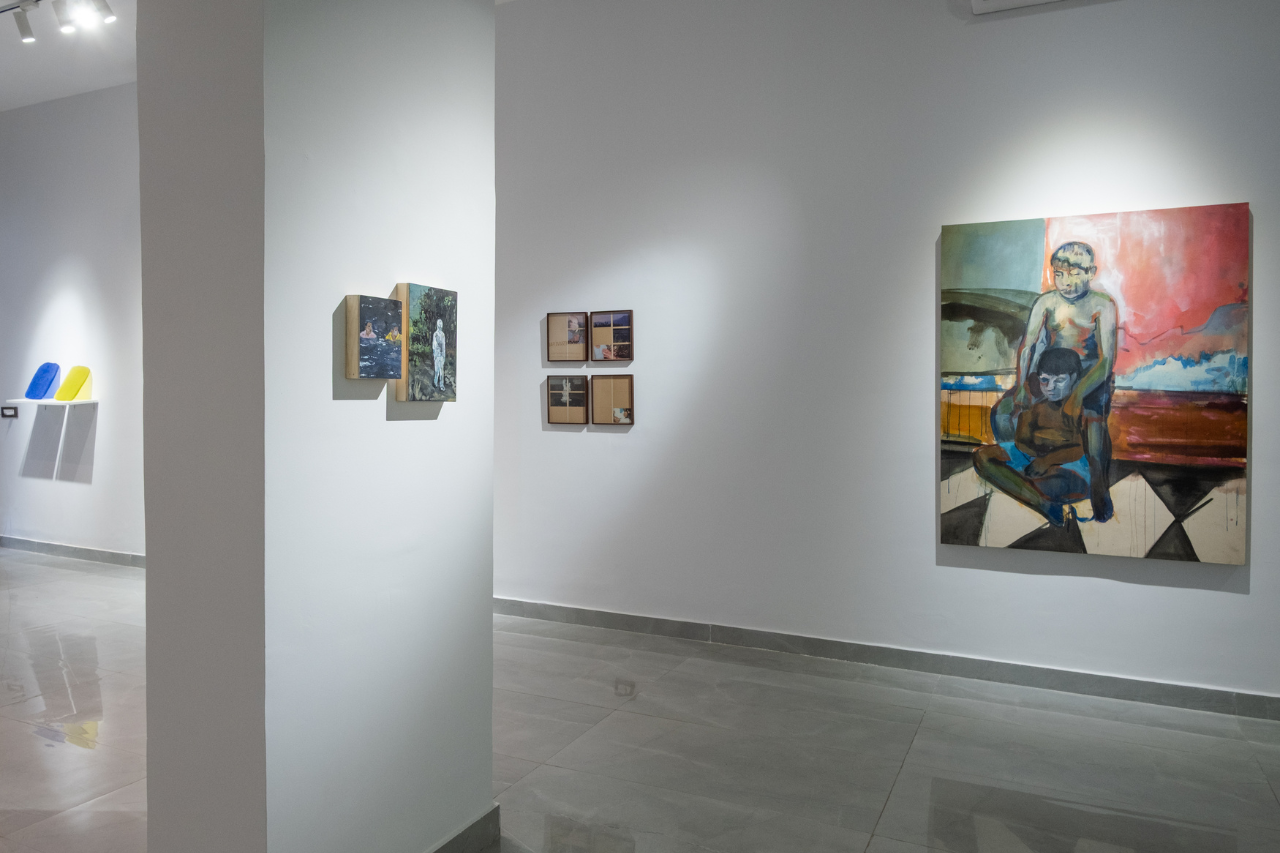
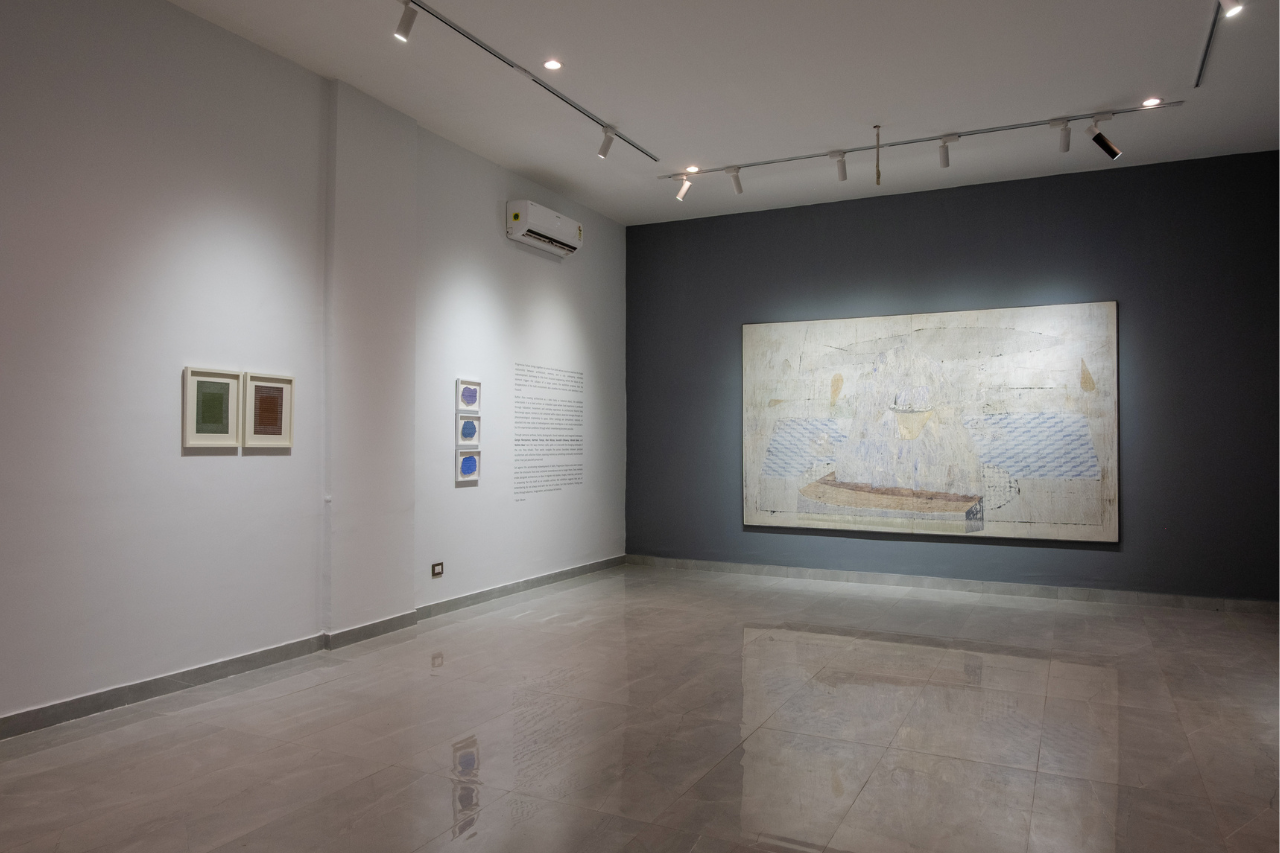
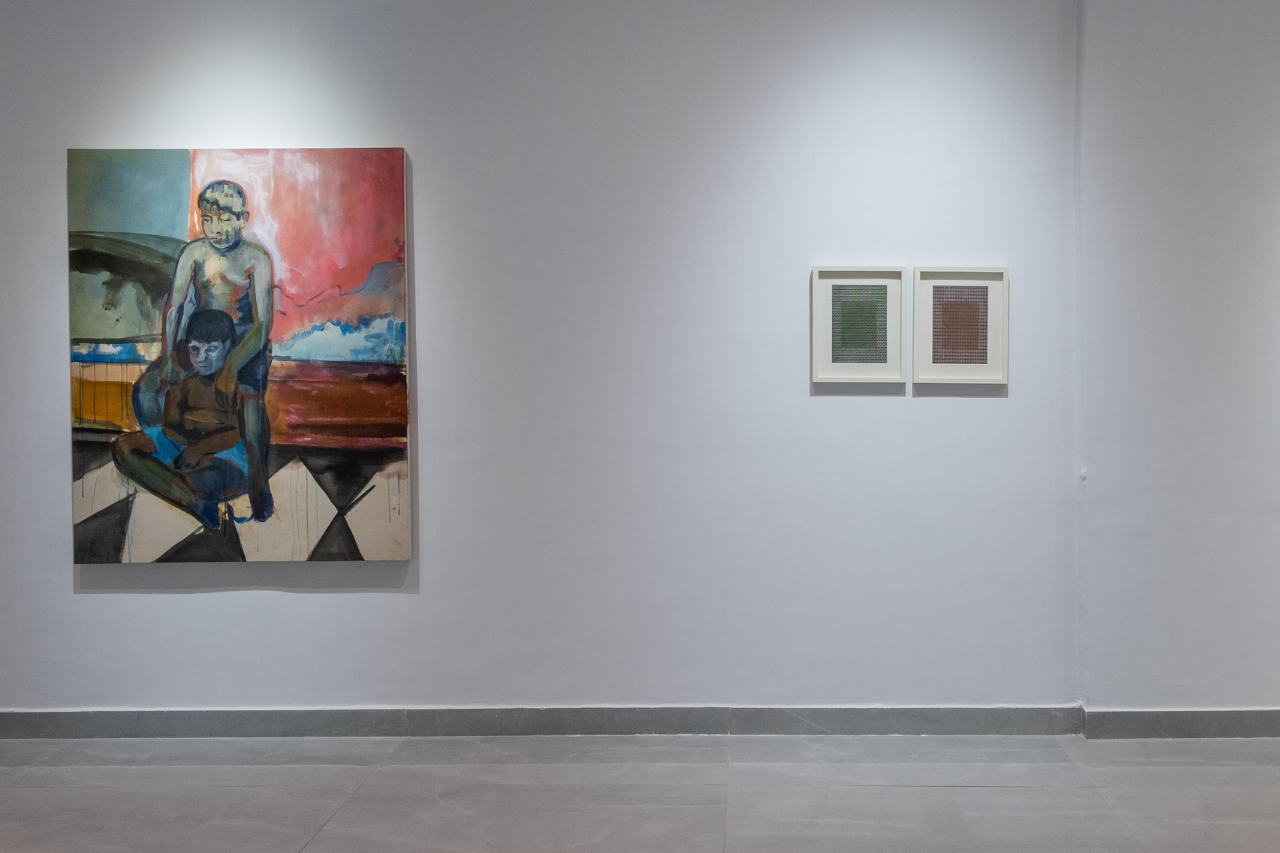
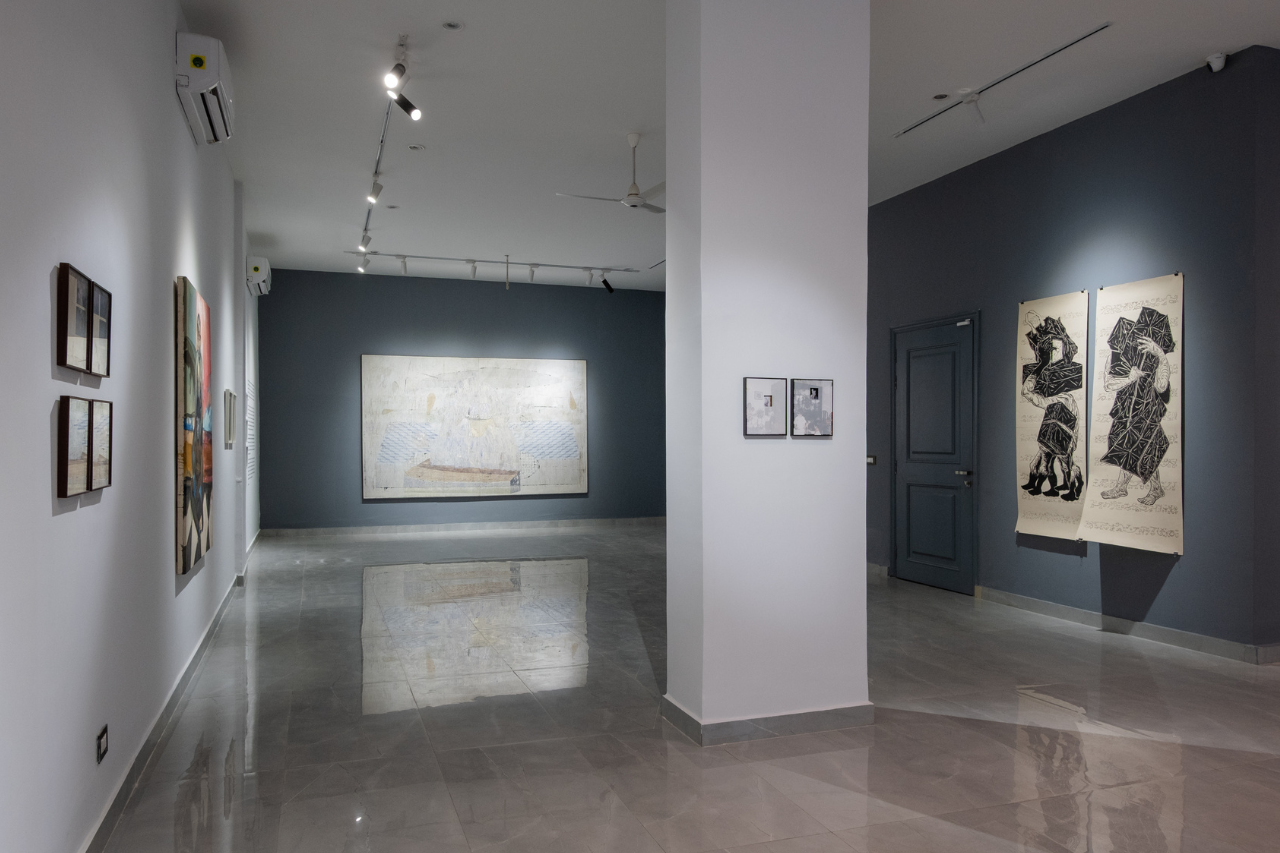
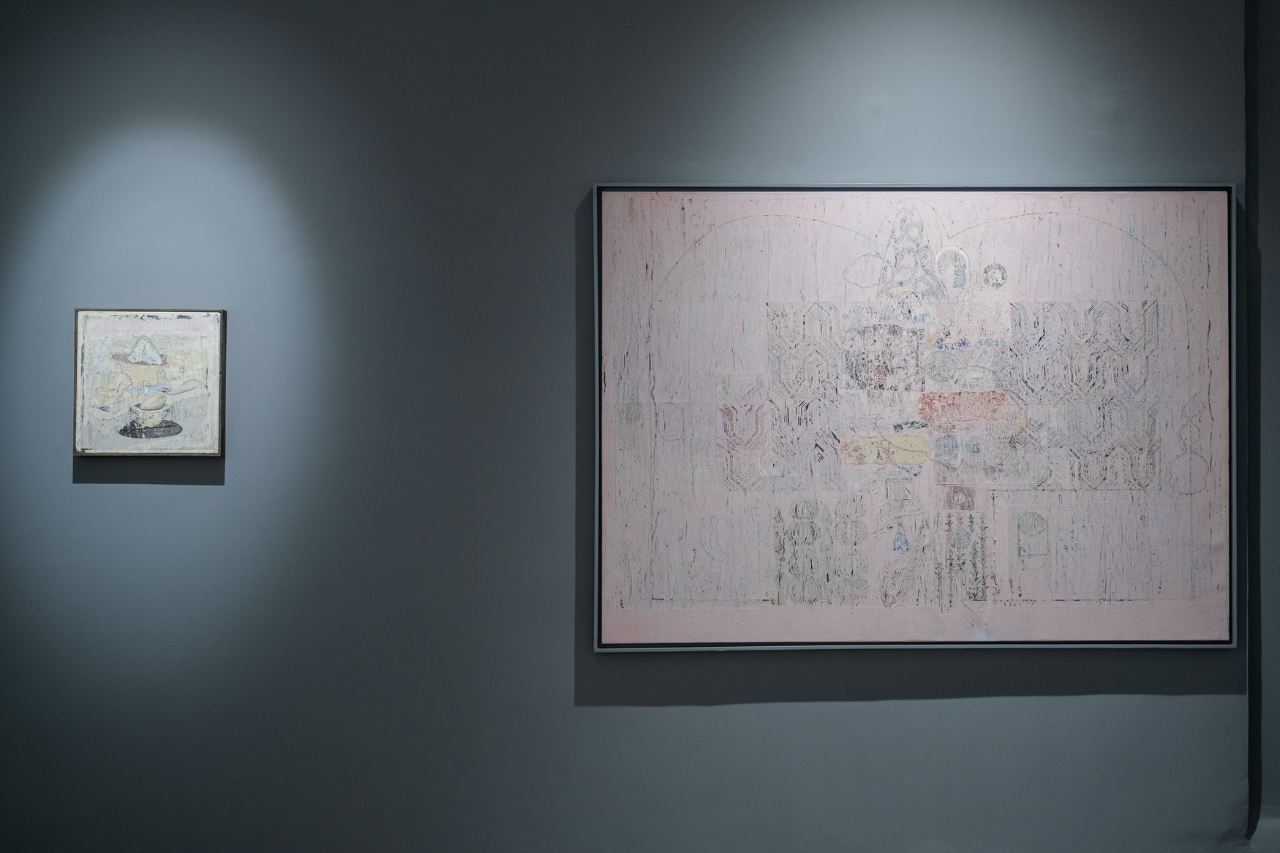
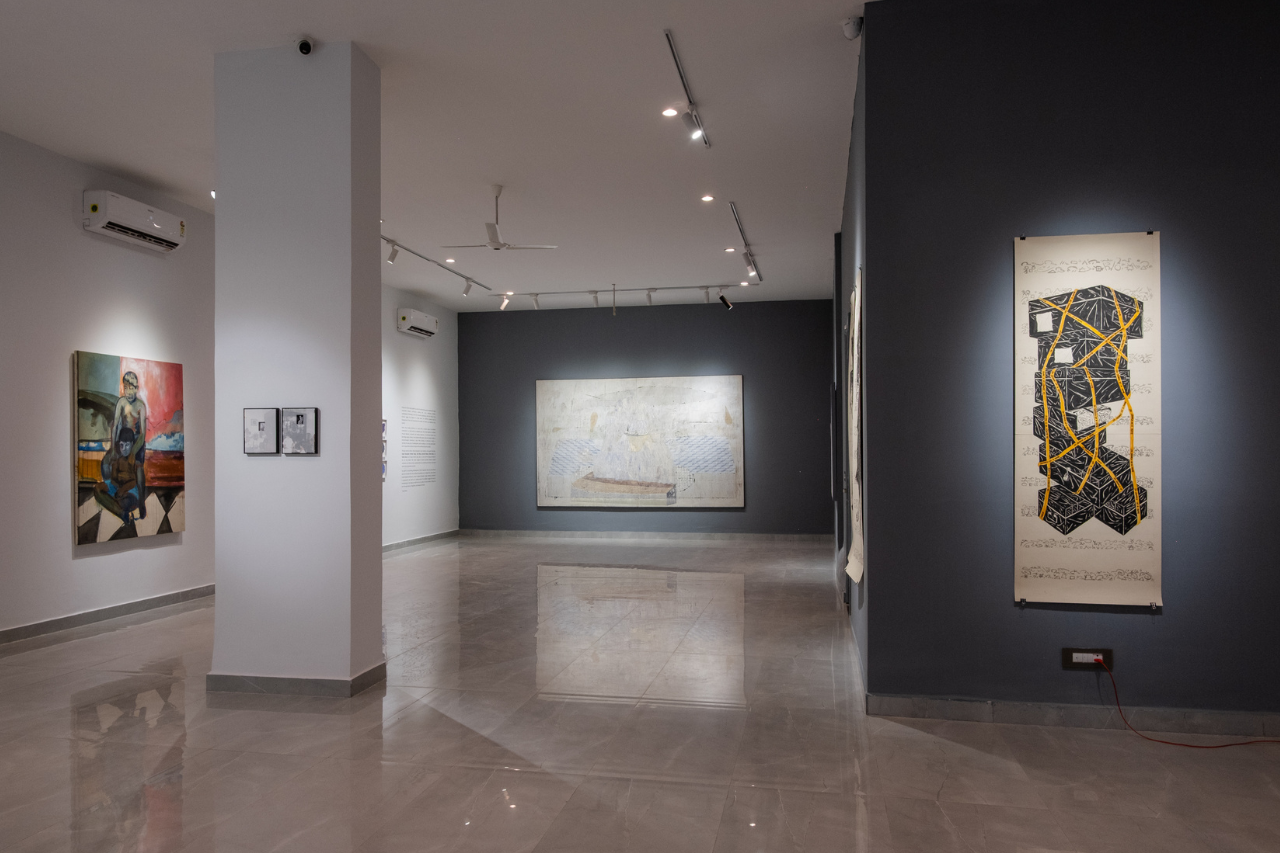
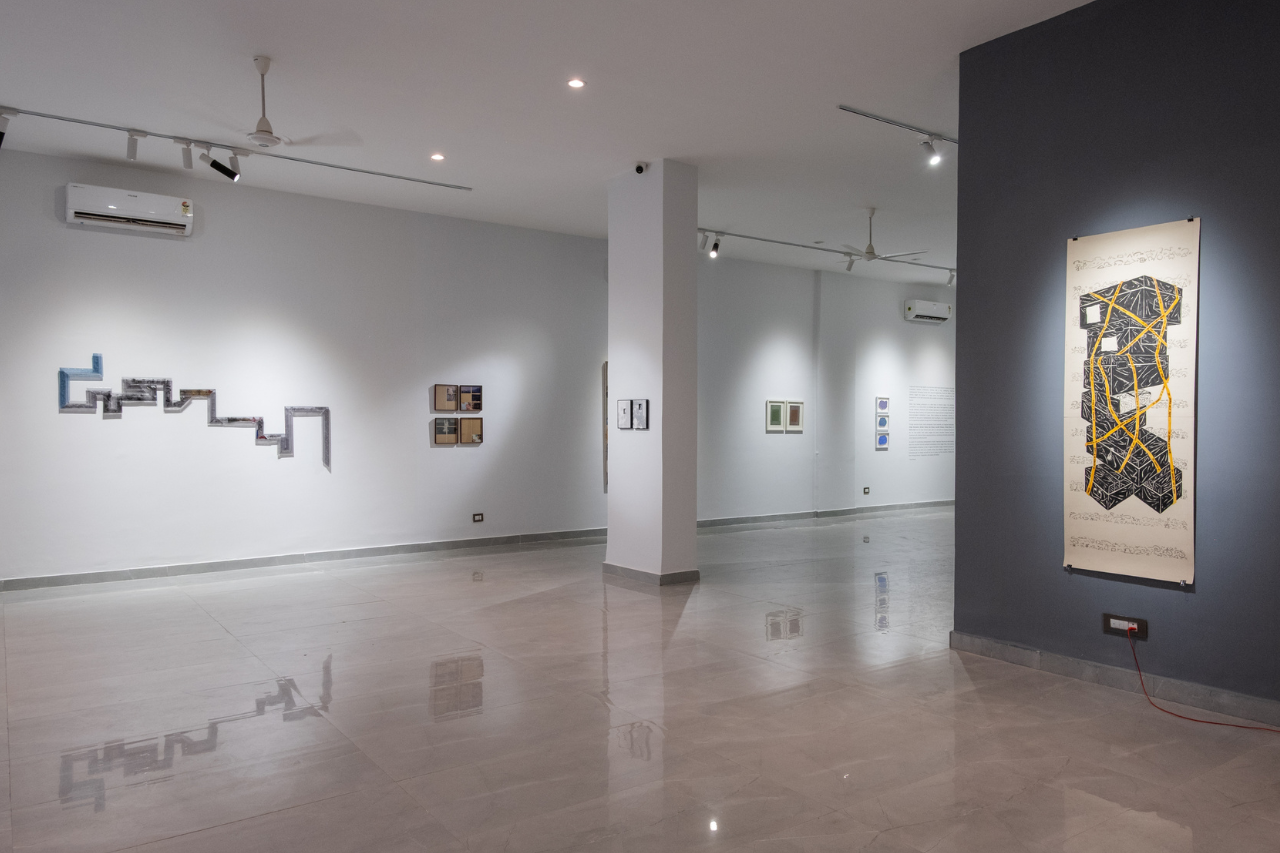
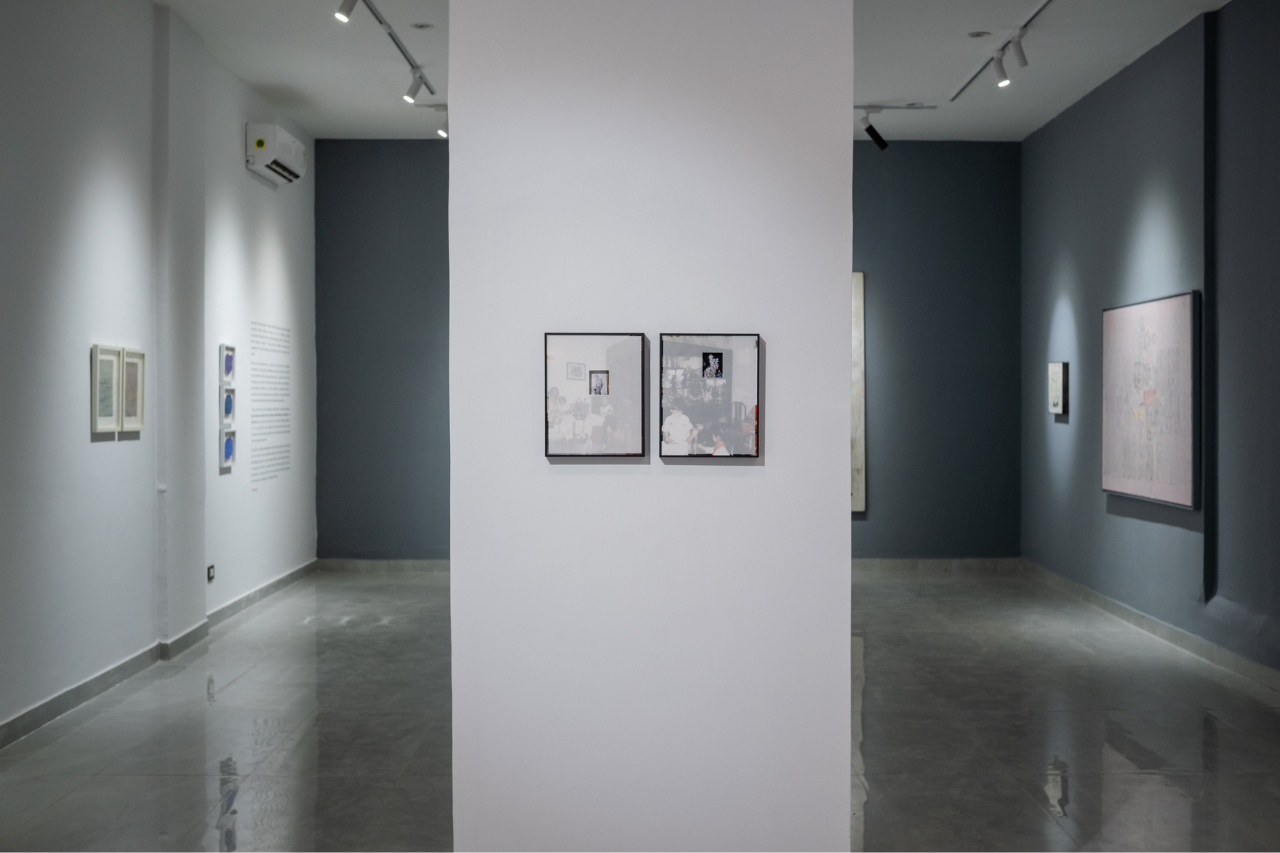
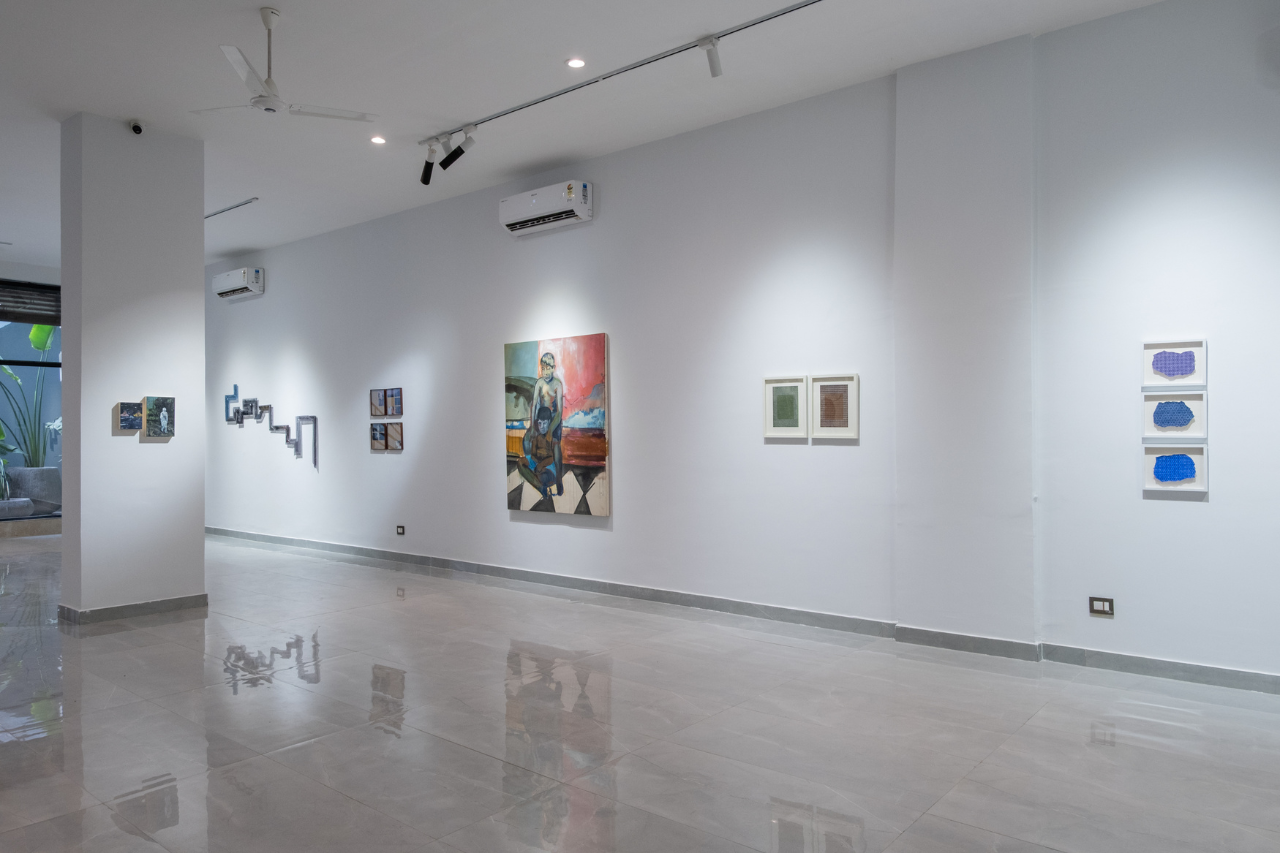
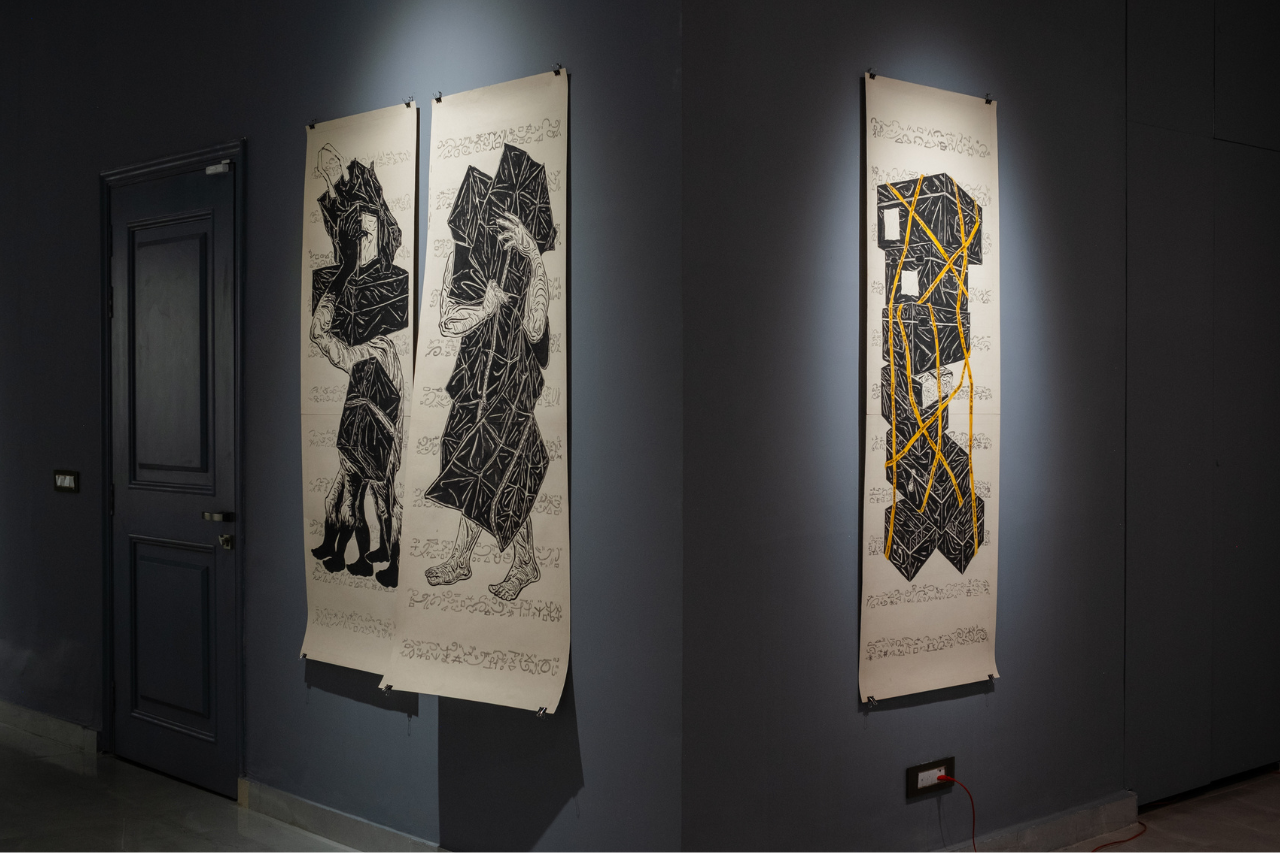
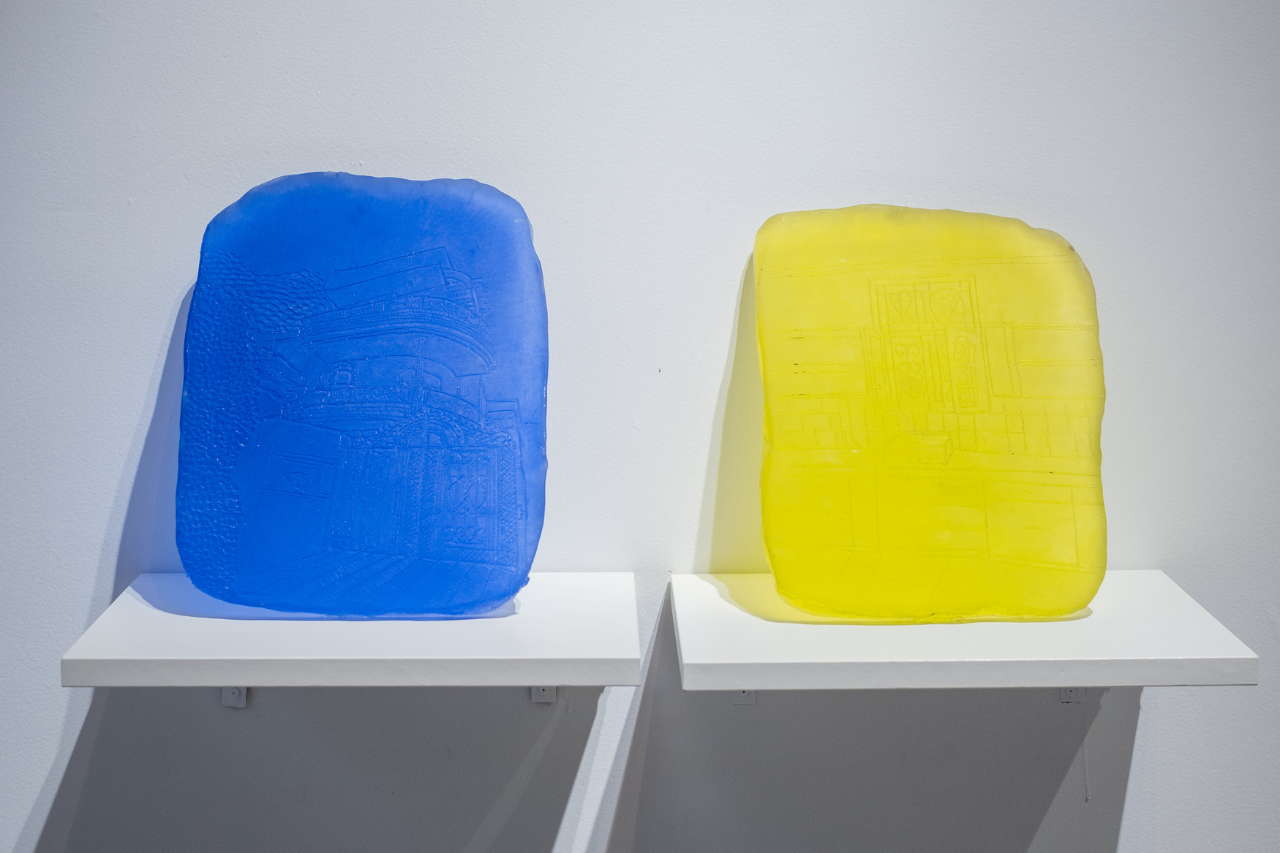
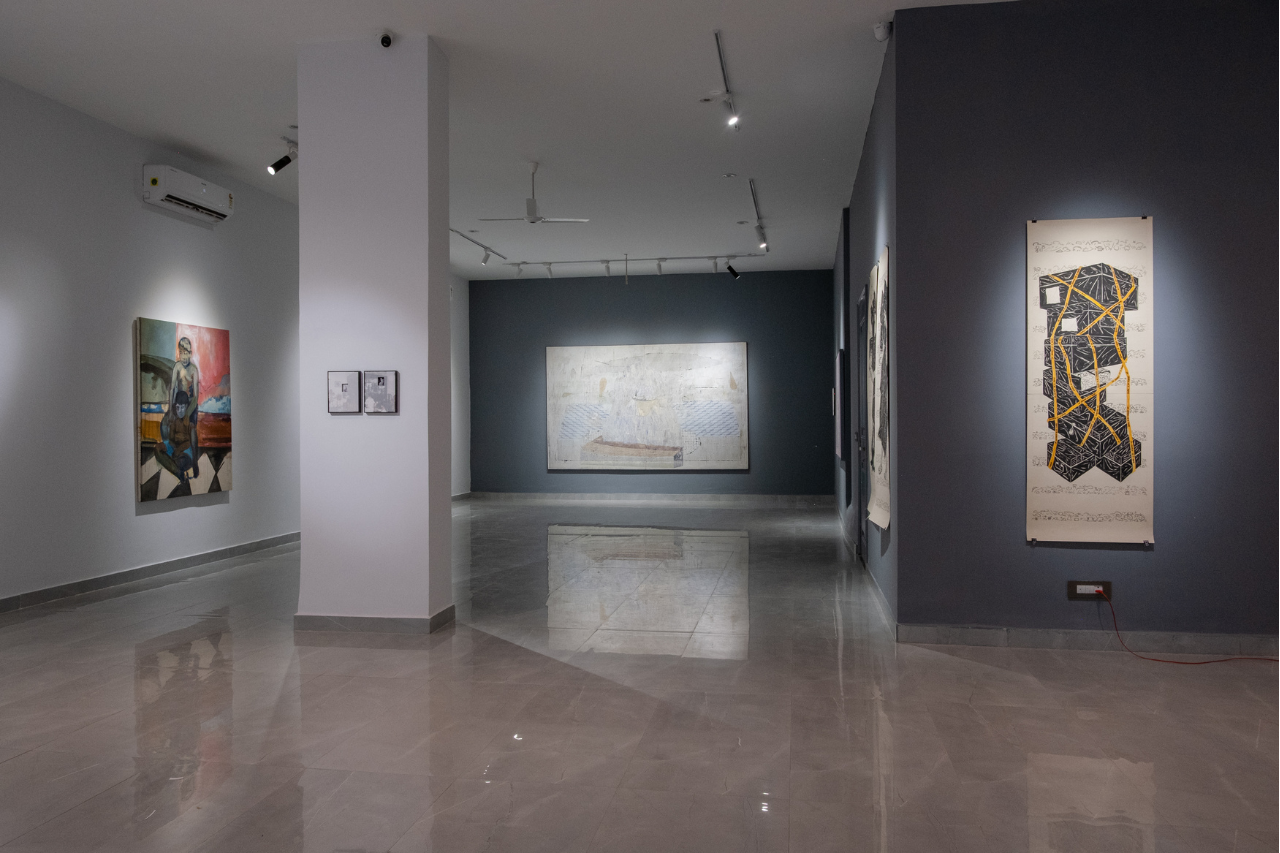
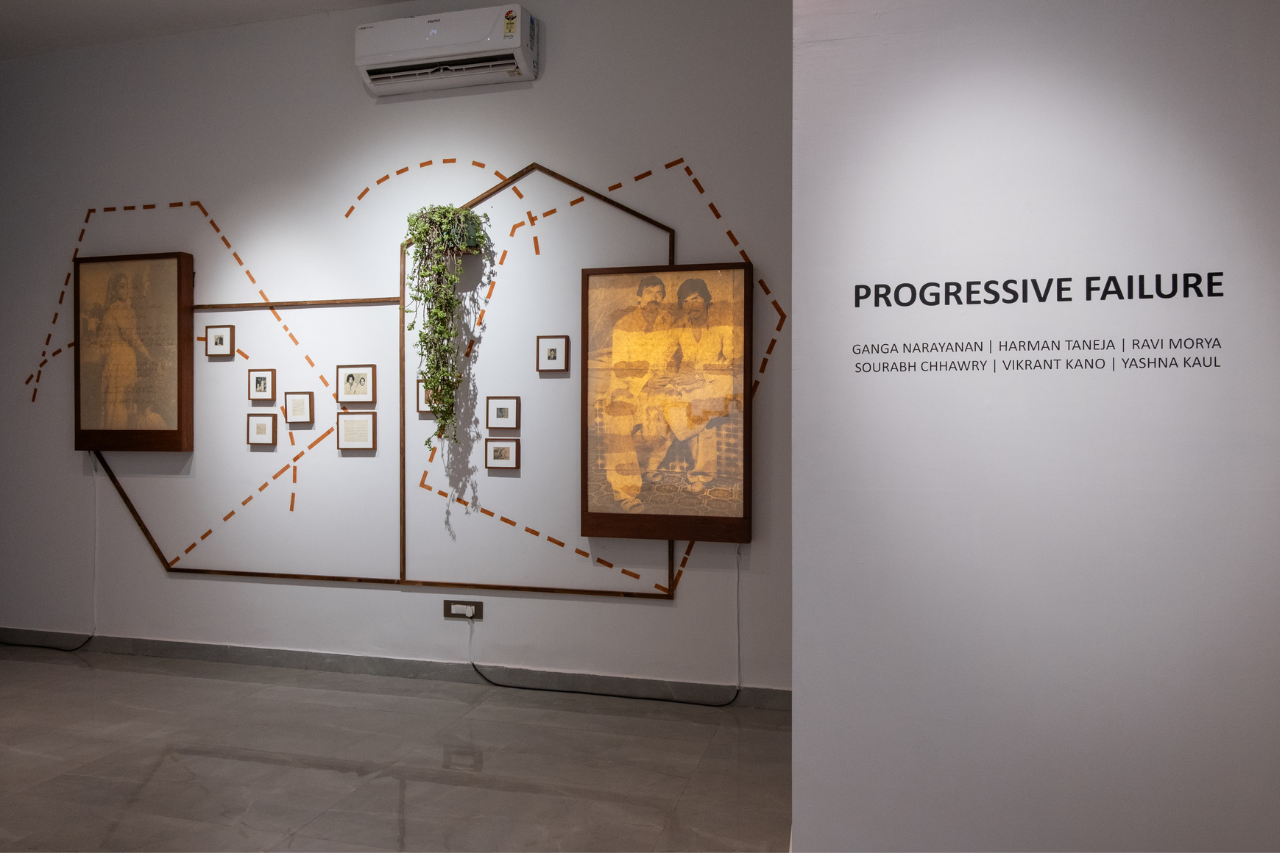
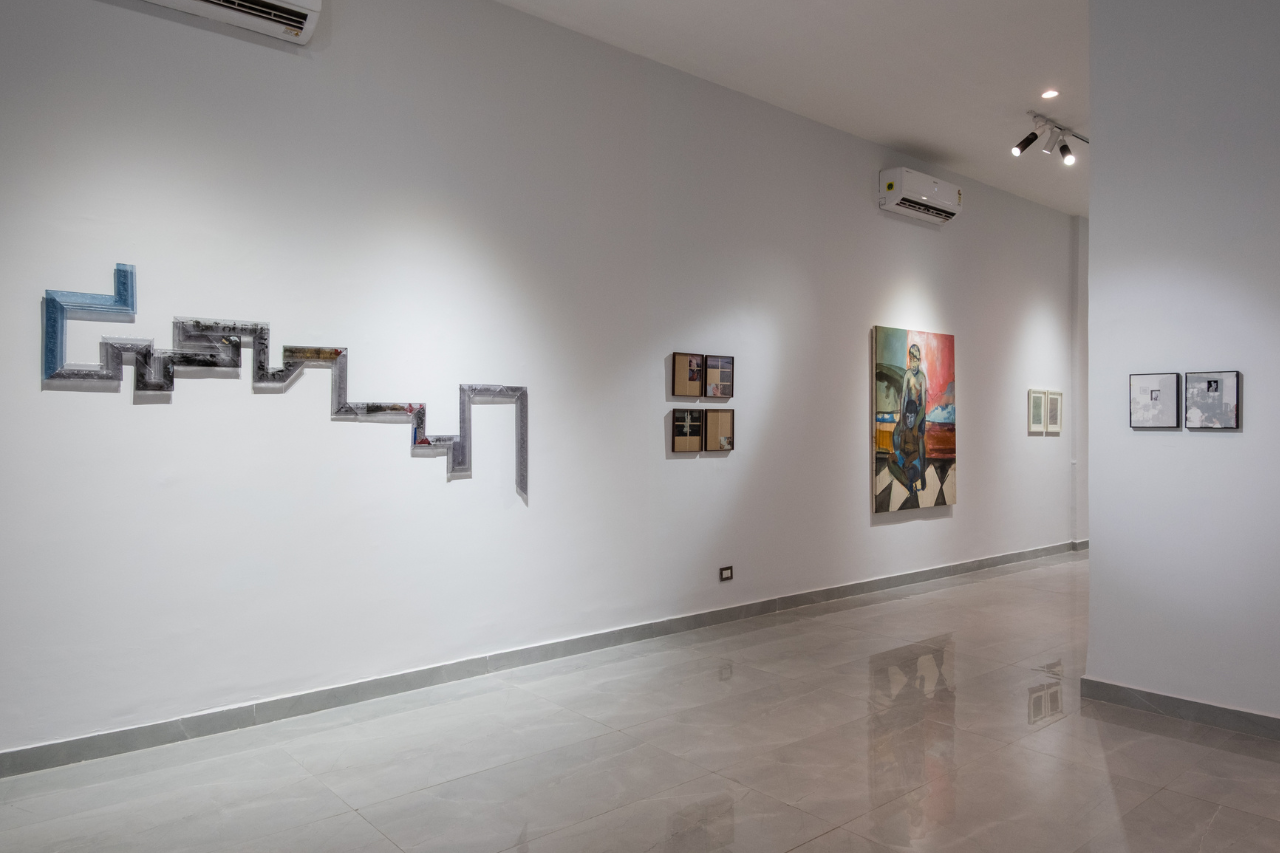
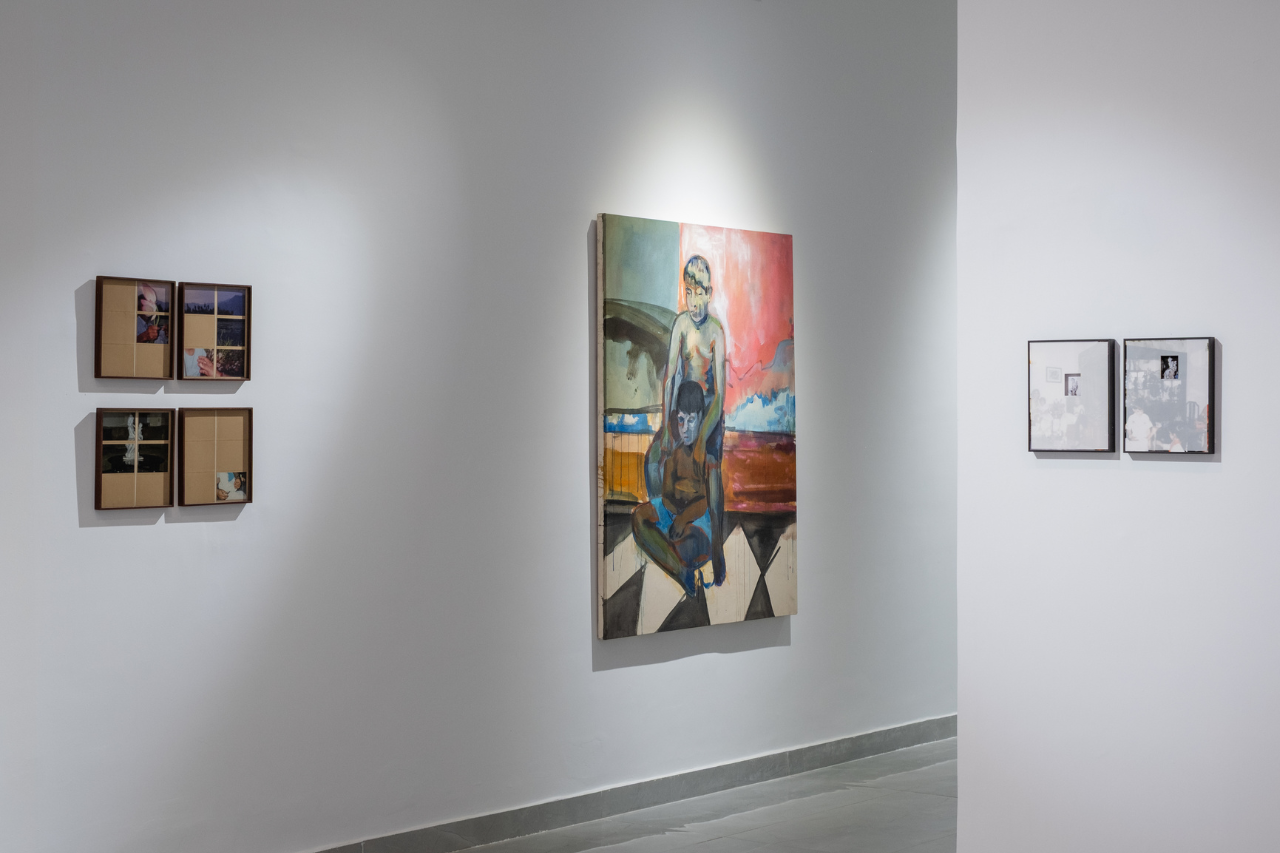
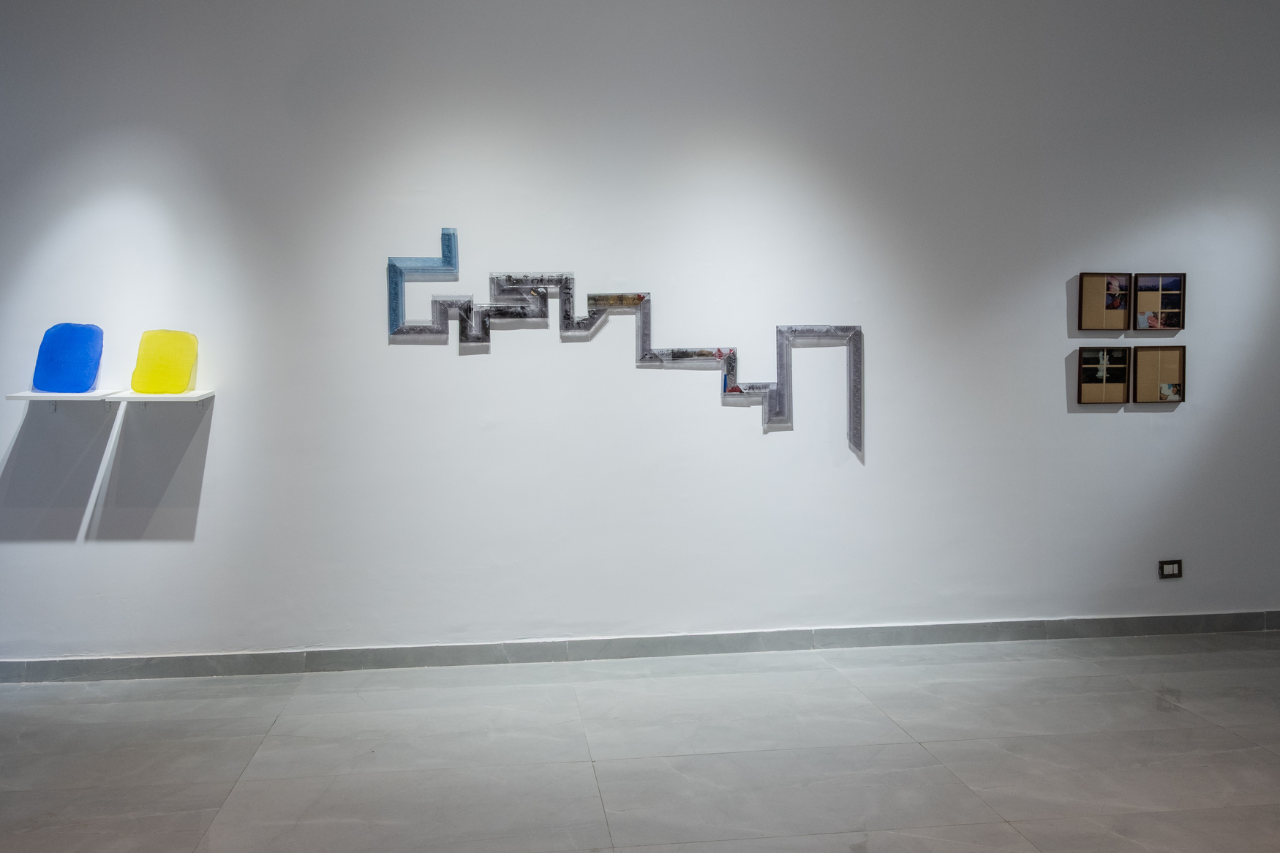
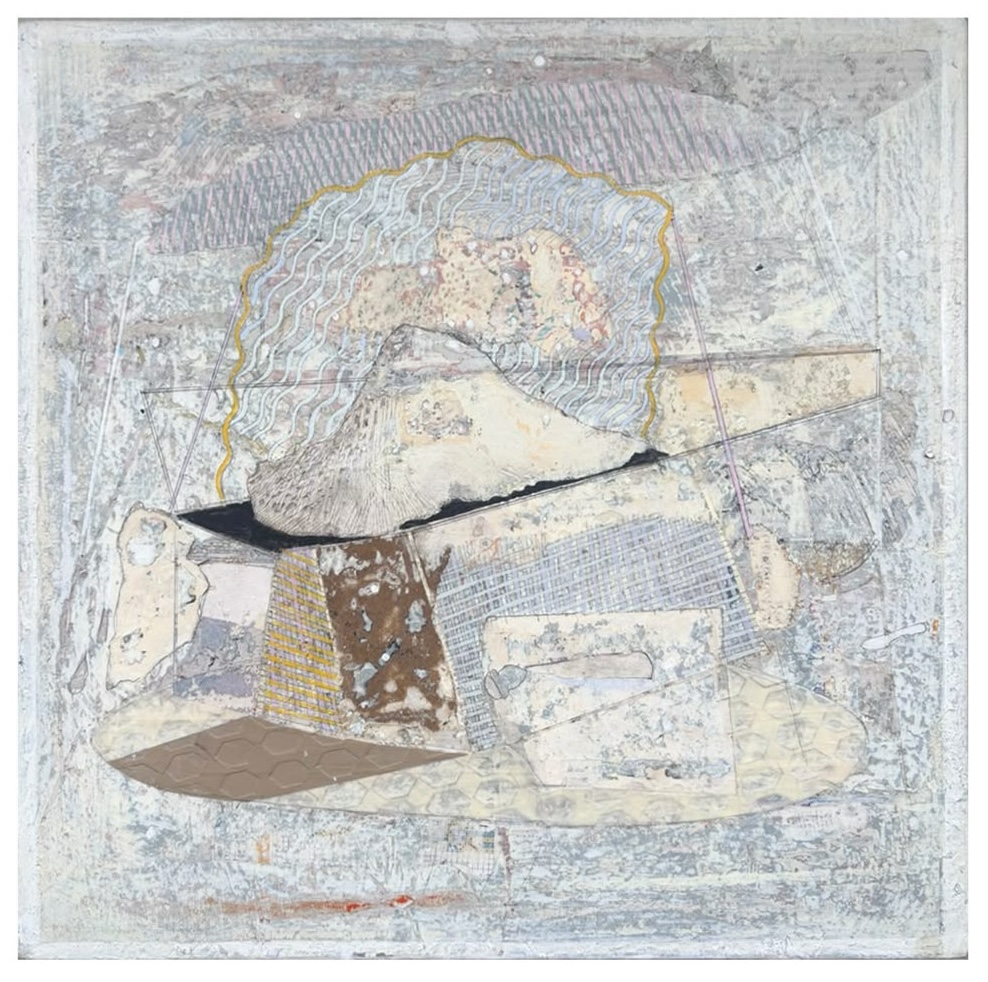
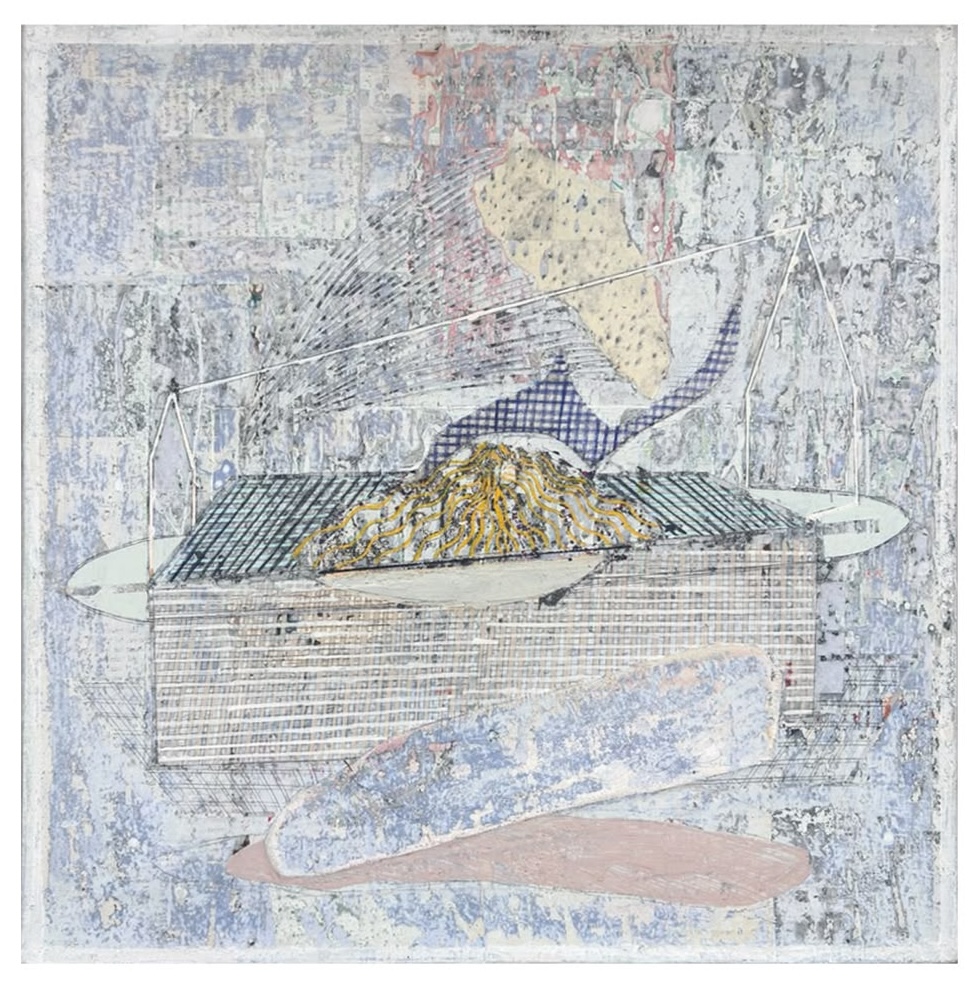
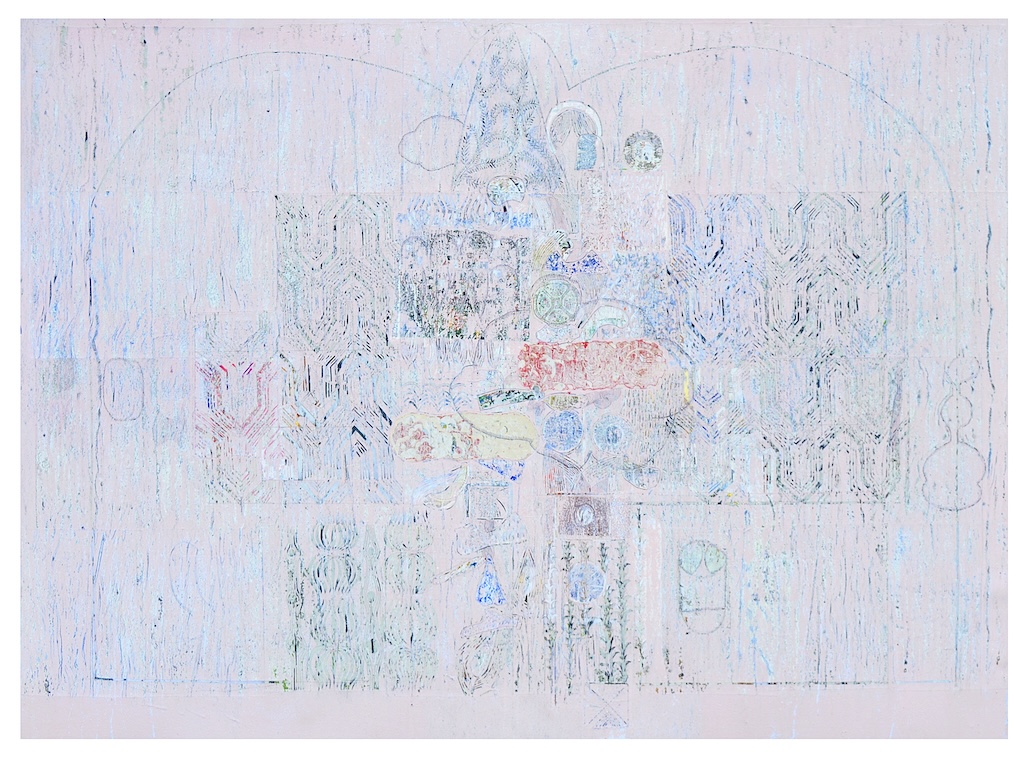
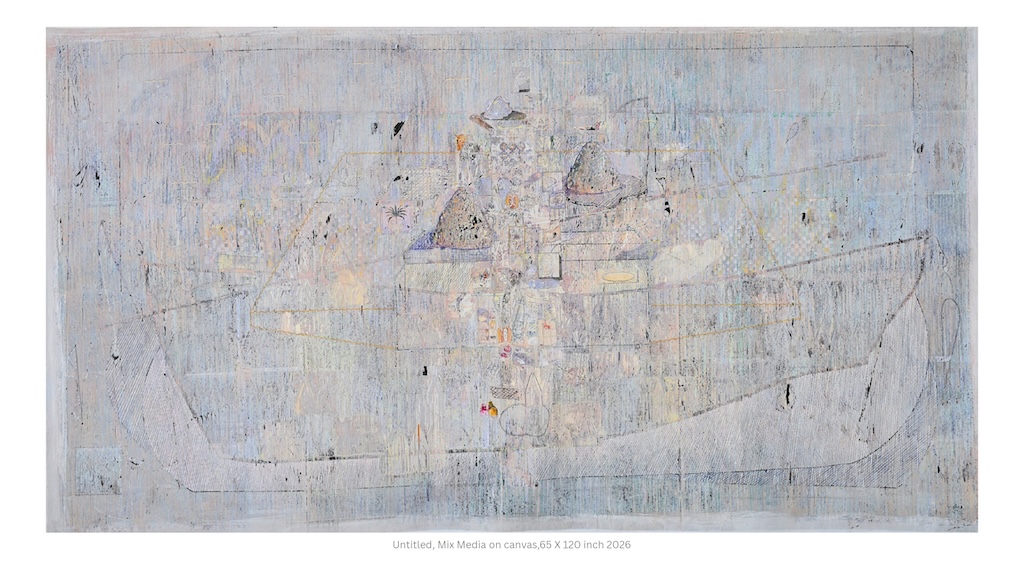
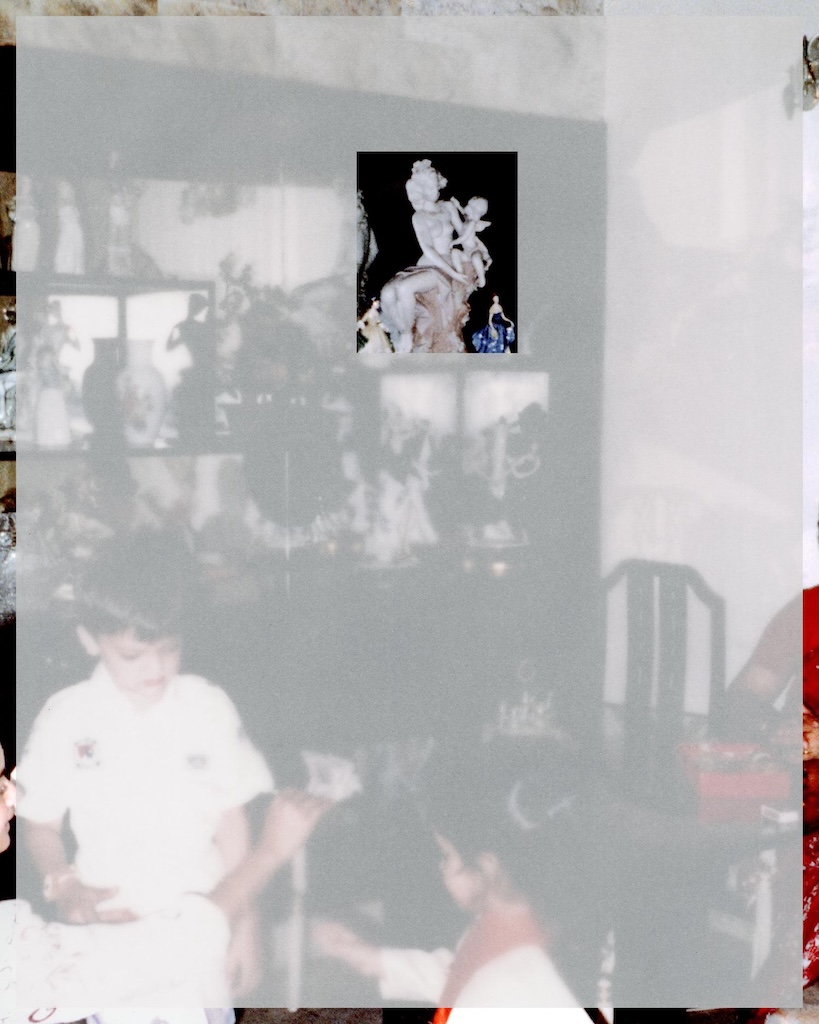
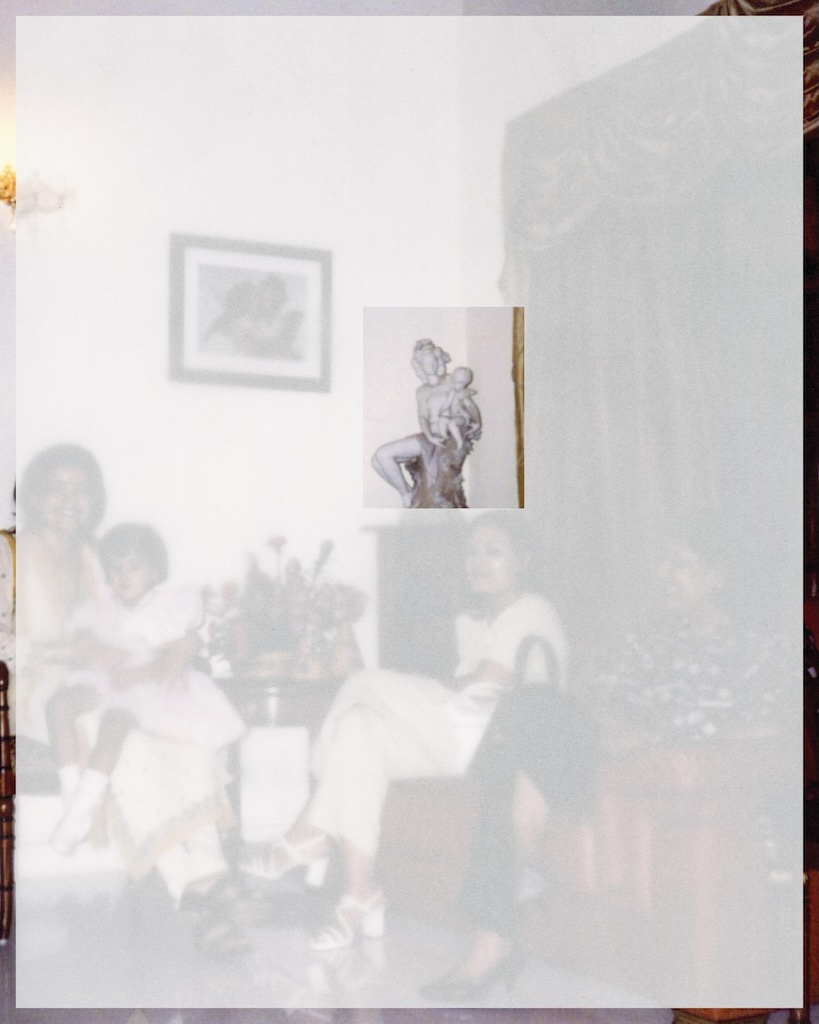
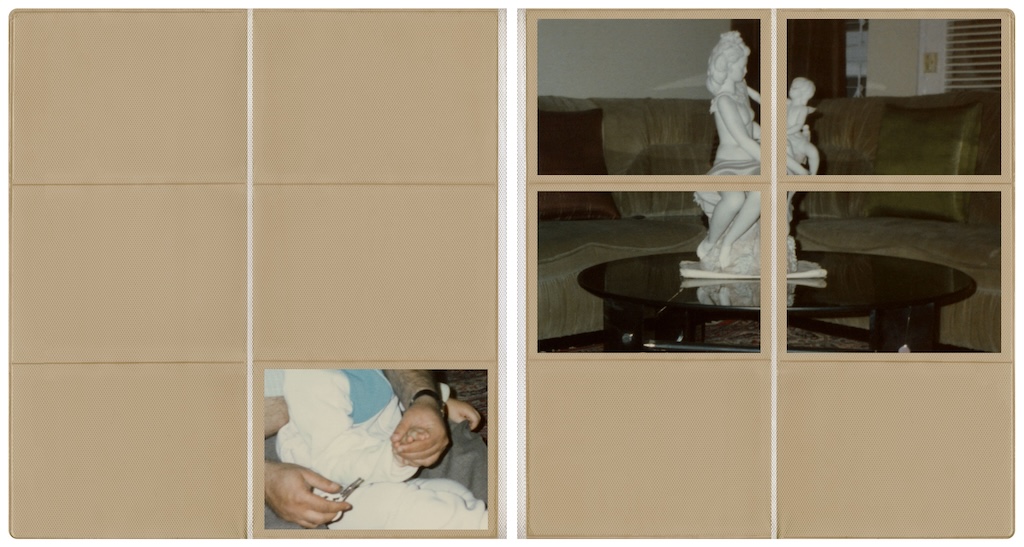
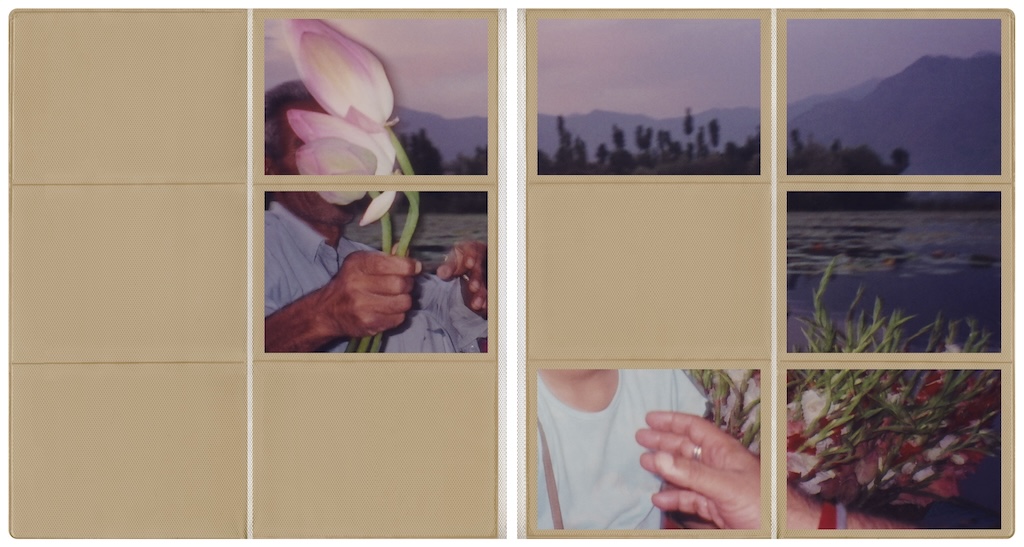
Through personal archives, family photographs, found materials, and imagined landscapes, Ganga Narayanan, Harman Taneja, Ravi Morya, Sourabh Chhawry, Vikrant Kano, and Yashna Kaul trace the ways memory spills, splits or is lost with the changing landscape of the city they inhabit. Their works navigate the porous boundary between personal recollection and collective history, exposing memory as something continually reconstructed rather than just passively preserved.
Set against the accelerating redevelopment of Delhi, Progressive Failure asks what remains when the structures that once anchored remembrance are no longer there. Does memory erode alongside architecture, or does it migrate into bodies, images, materials, and stories? In proposing the city itself as an unstable archive, the exhibition suggests that acts of remembering do not always end with the loss of a place, but they transform, finding new forms through absence, imagination, and residues left behind.
~ Yash Vikram