WILD GRASS
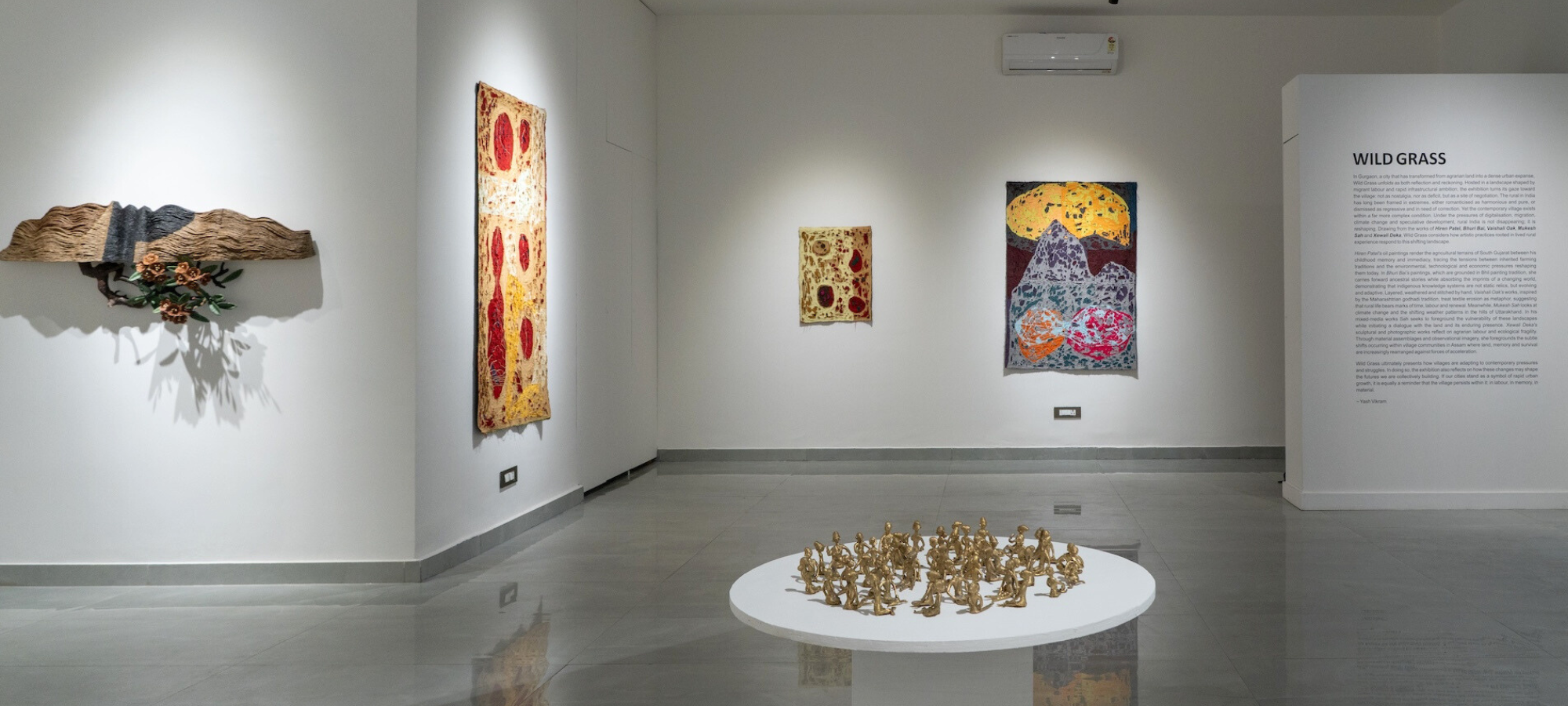
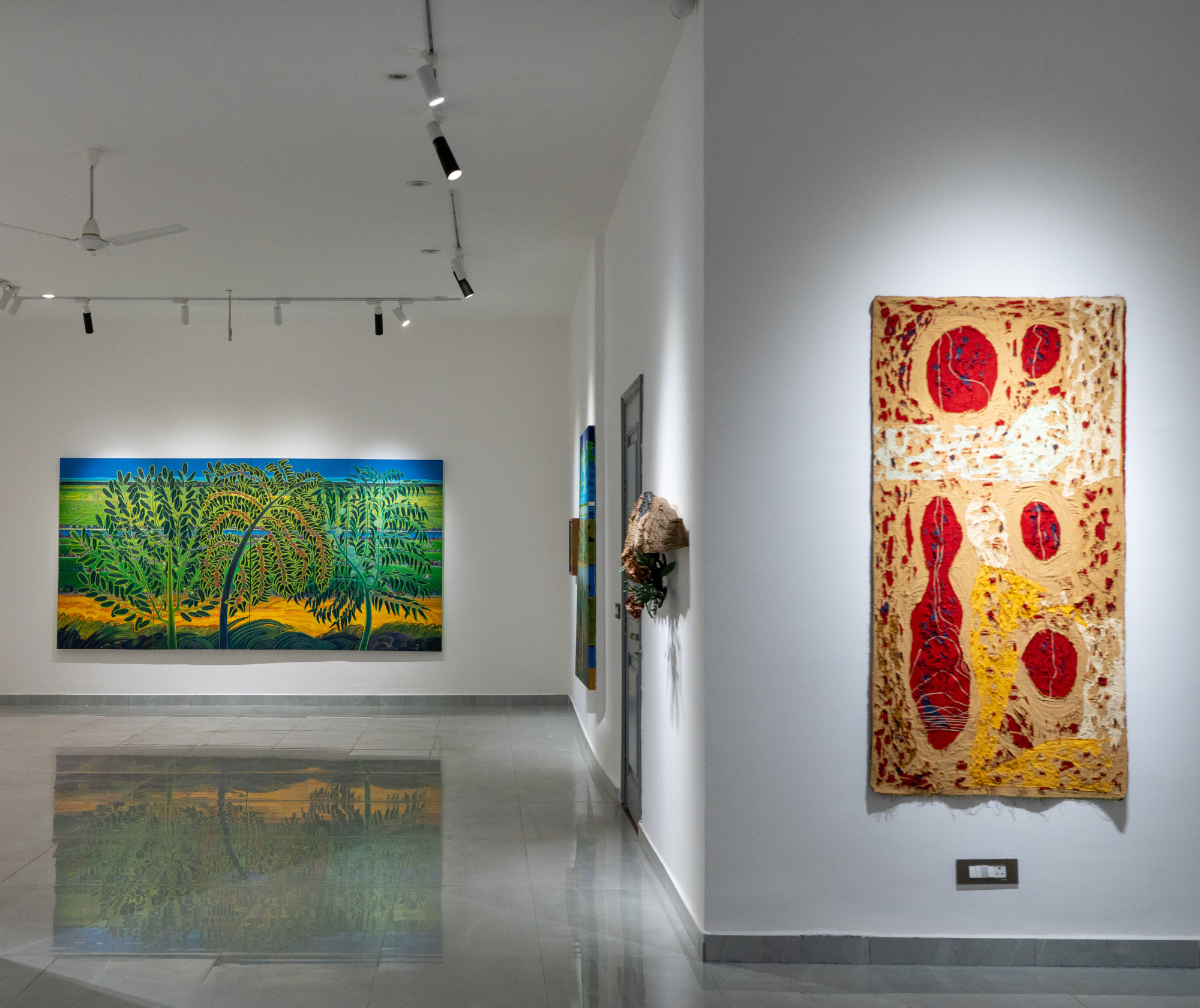
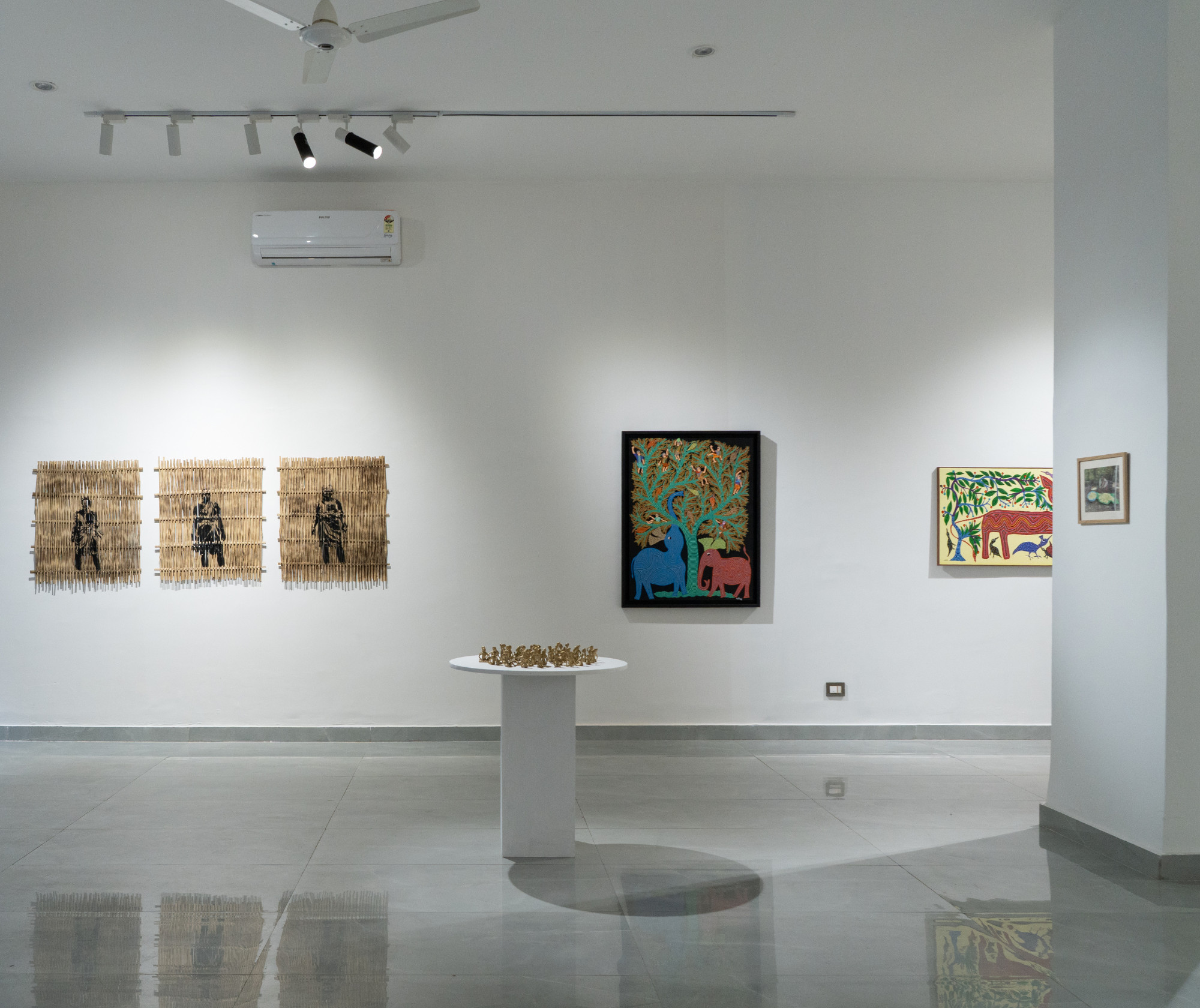
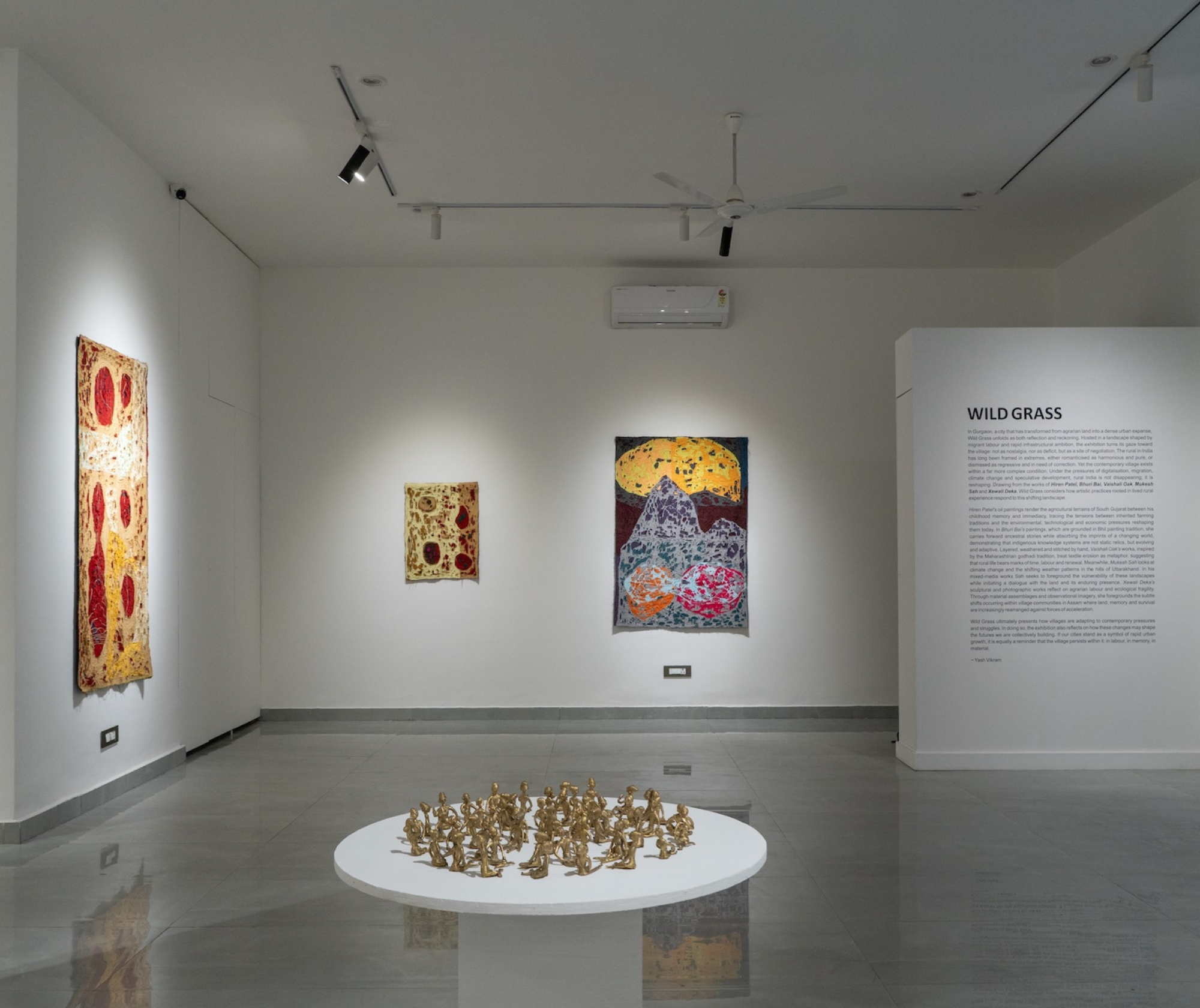
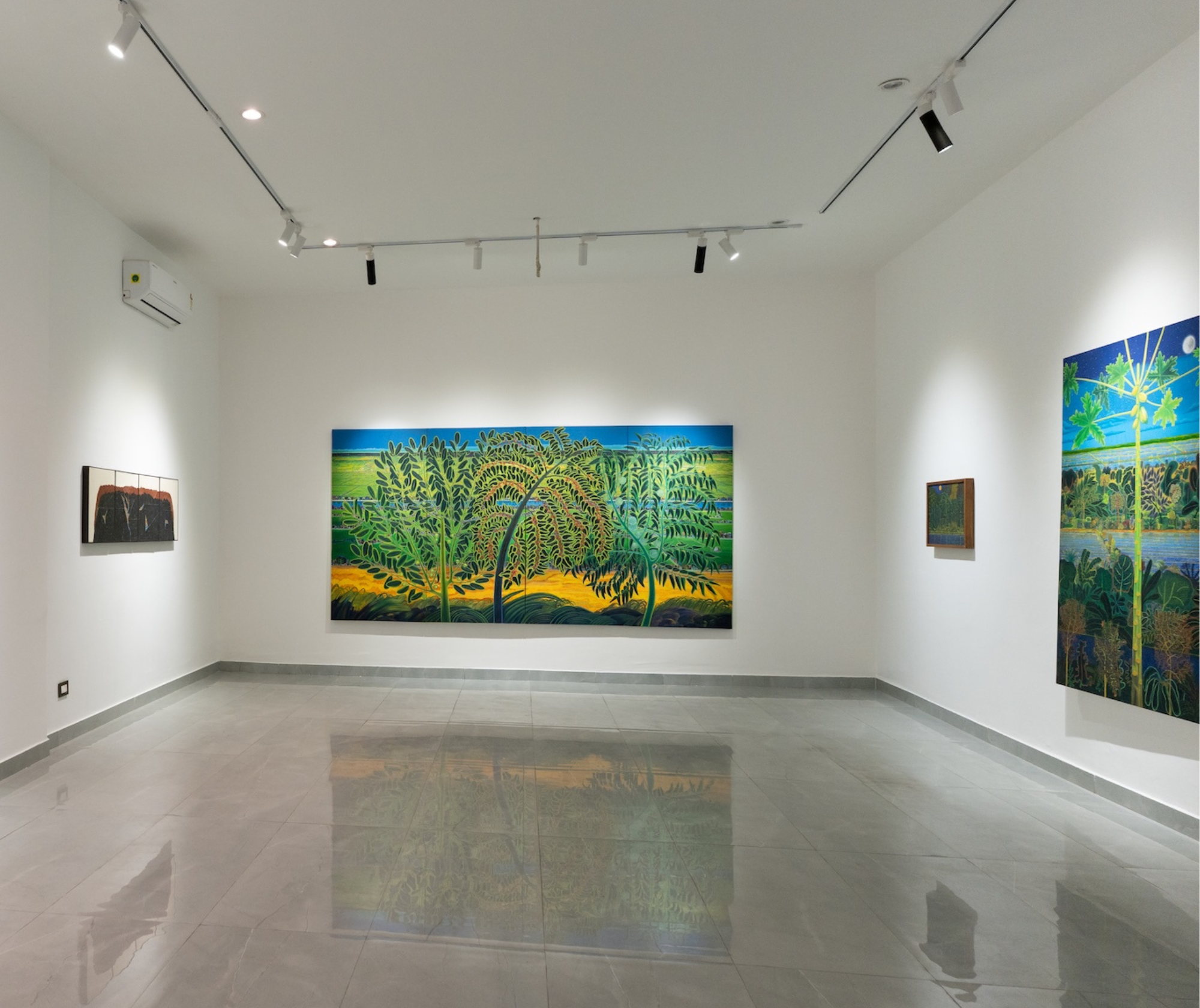
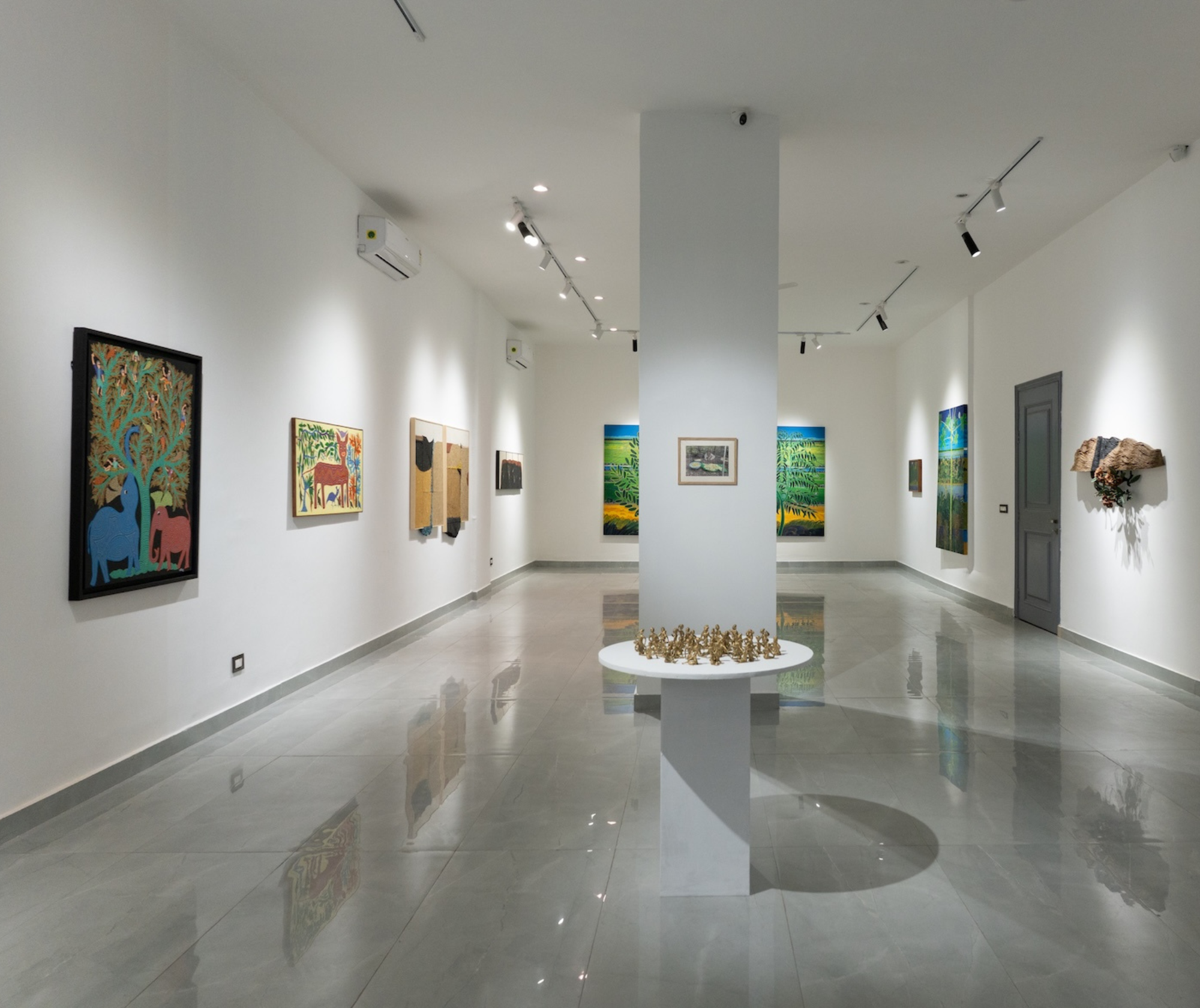
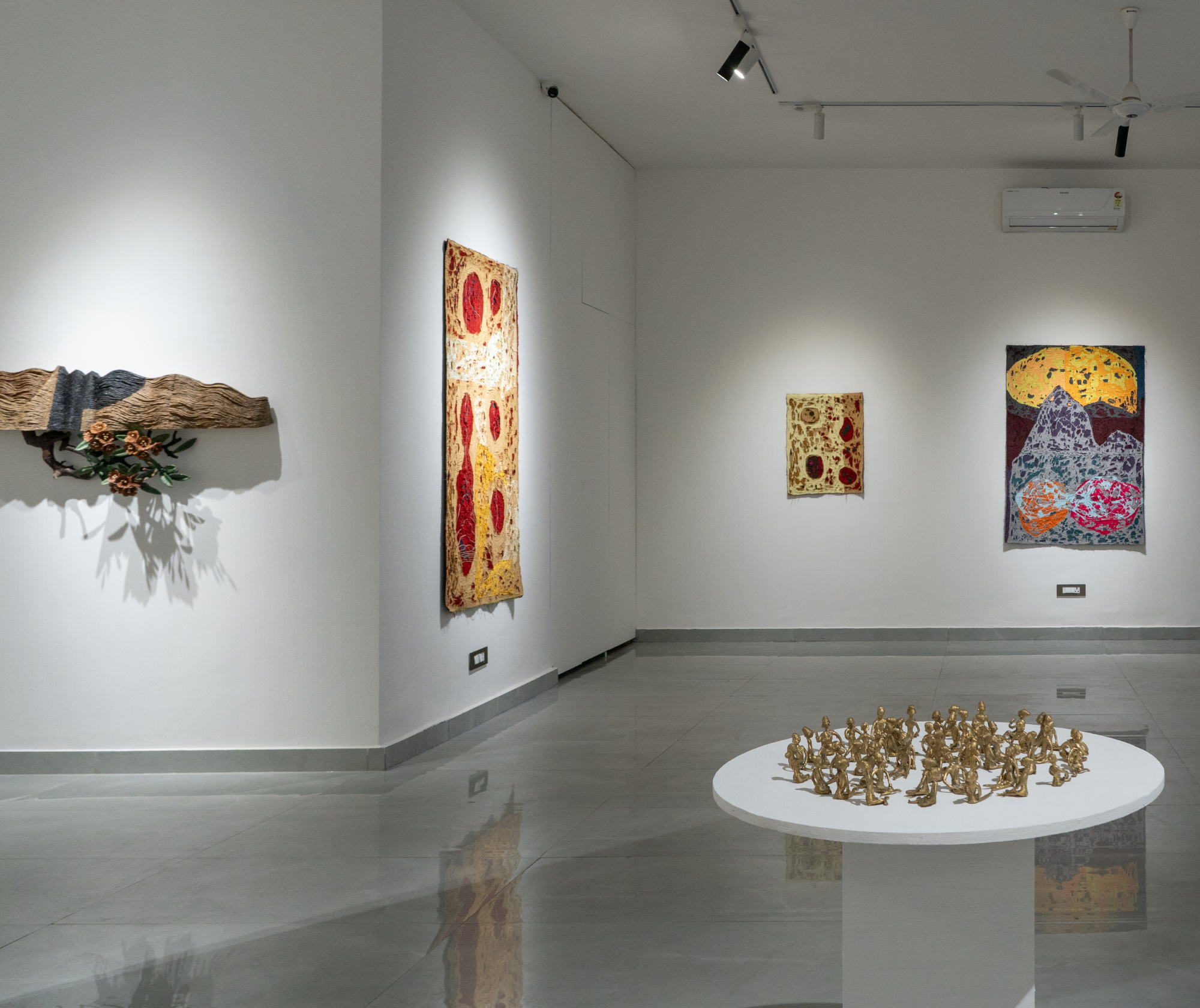
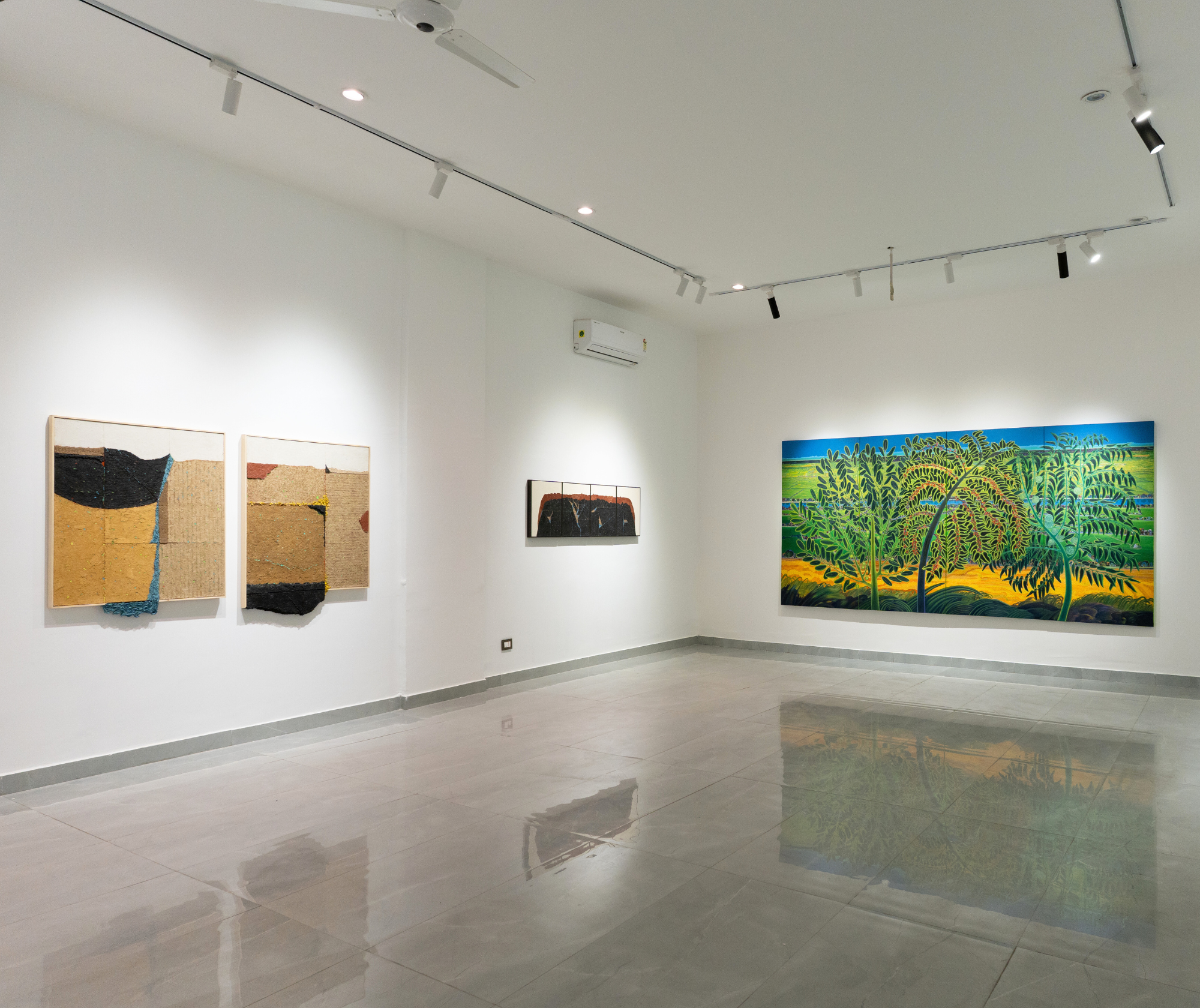
In Gurgaon, a city that has transformed from agrarian land into a dense urban expanse, Wild Grass unfolds as both reflection and reckoning. Hosted in a landscape shaped by migrant labour and rapid infrastructural ambition, the exhibition turns its gaze toward the village: not as nostalgia, nor as deficit, but as a site of negotiation. The rural in India has long been framed in extremes, either romanticised as harmonious and pure, or dismissed as regressive and in need of correction. Yet the contemporary village exists within a far more complex condition. Under the pressures of digitalisation, migration, climate change and speculative development, rural India is not disappearing; it is reshaping. Drawing from the works of Hiren Patel, Bhuri Bai, Vaishali Oak, Mukesh Sah and Xewali Deka, Wild Grass considers how artistic practices rooted in lived rural experience respond to this shifting landscape.
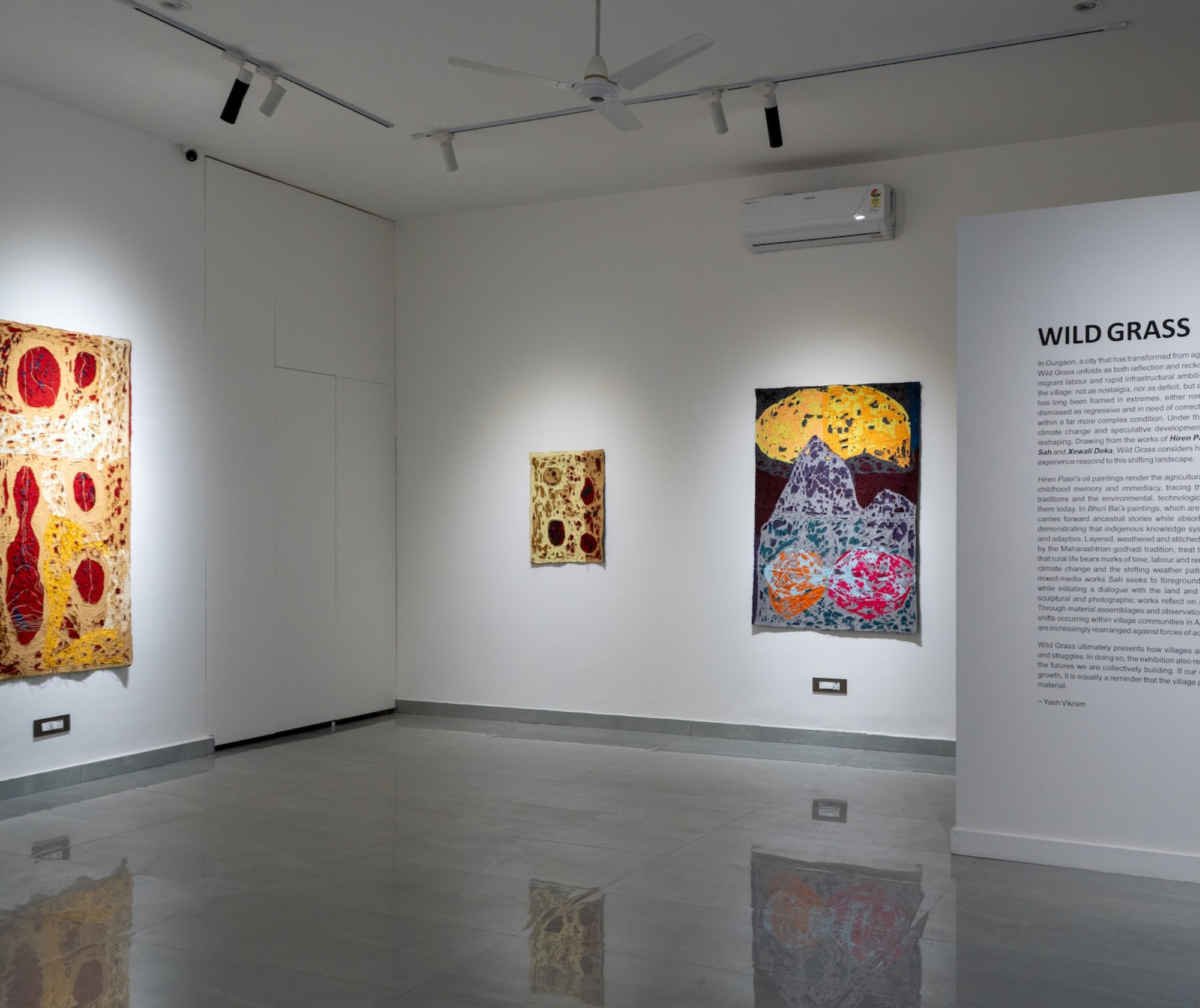
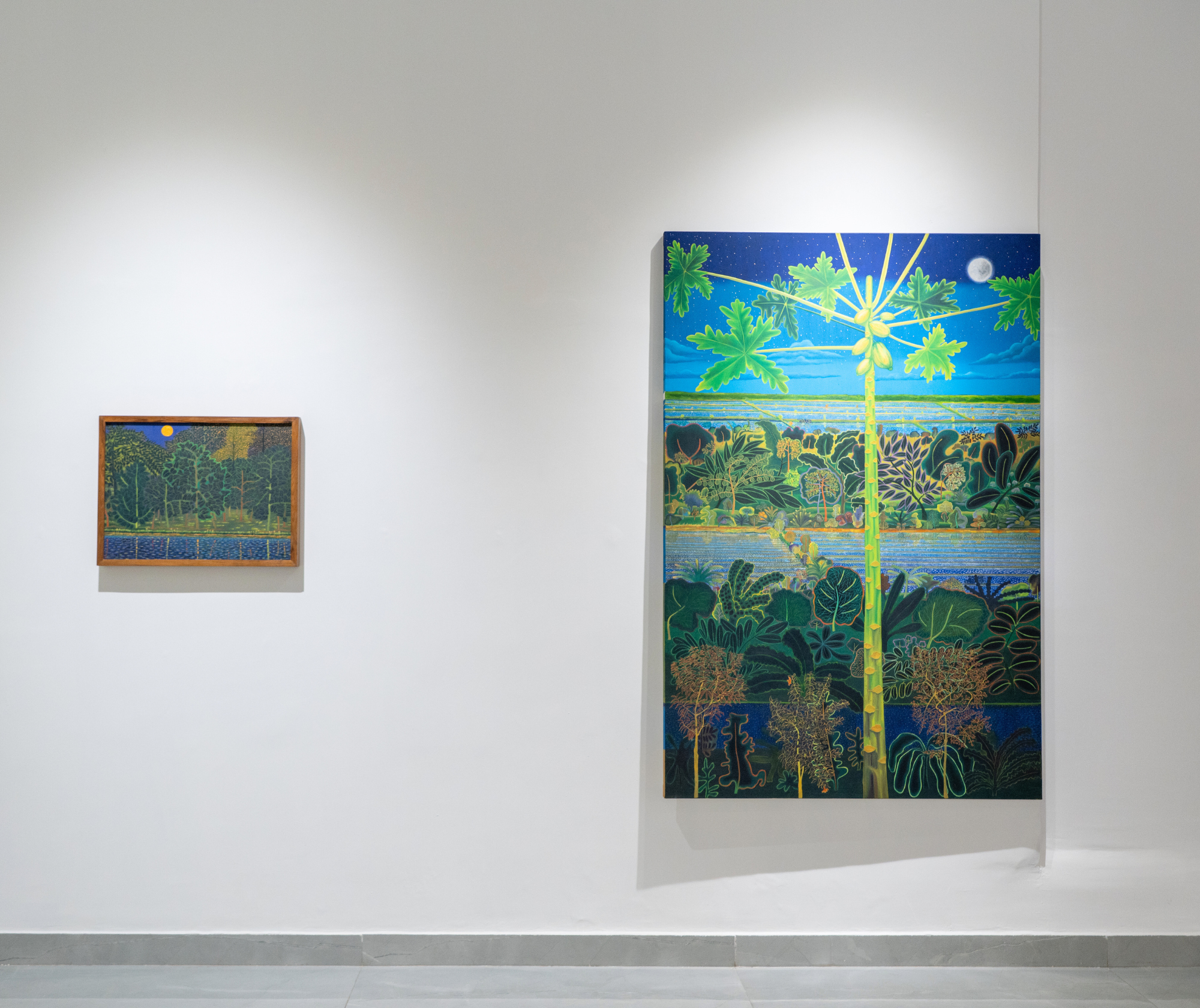
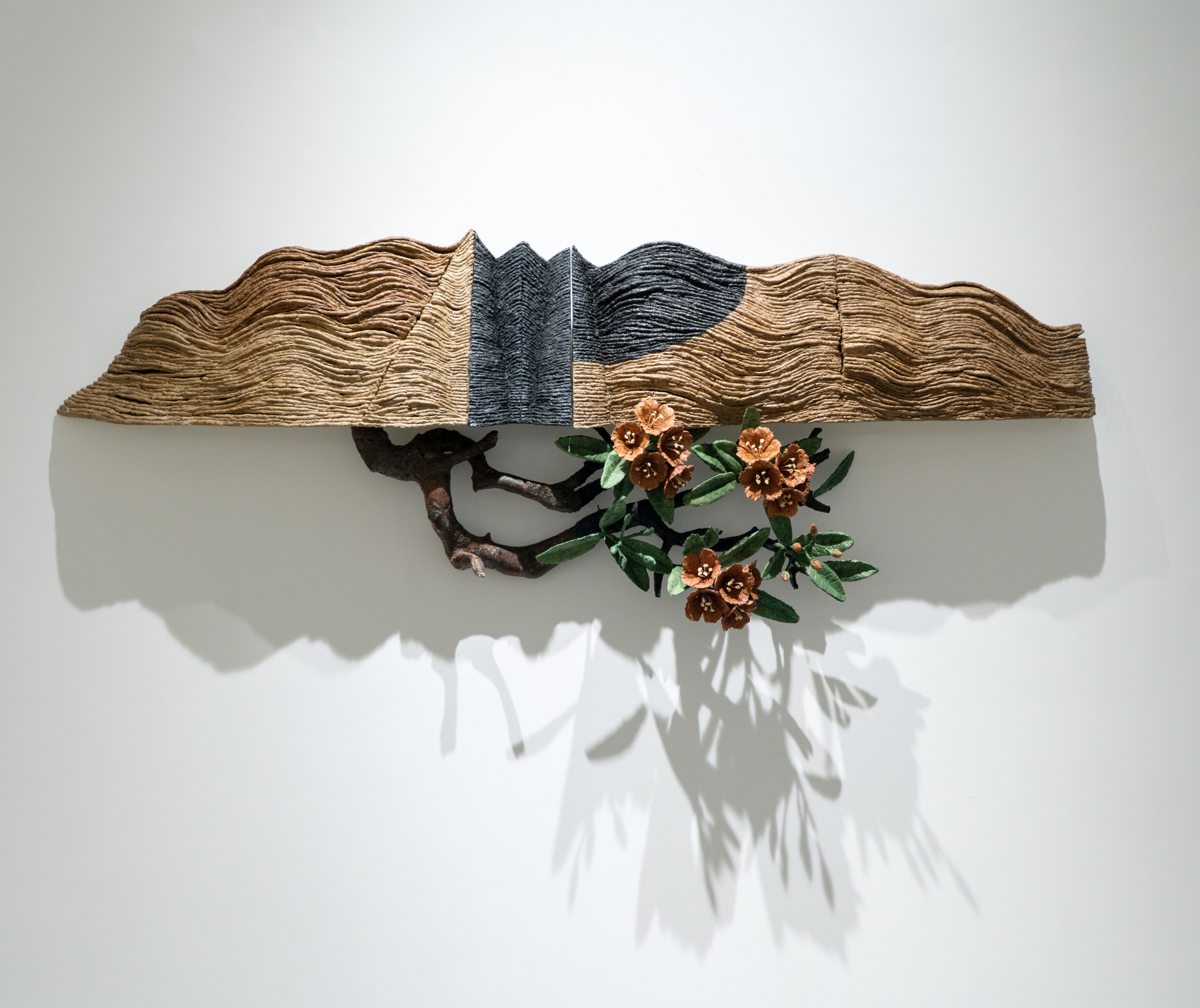
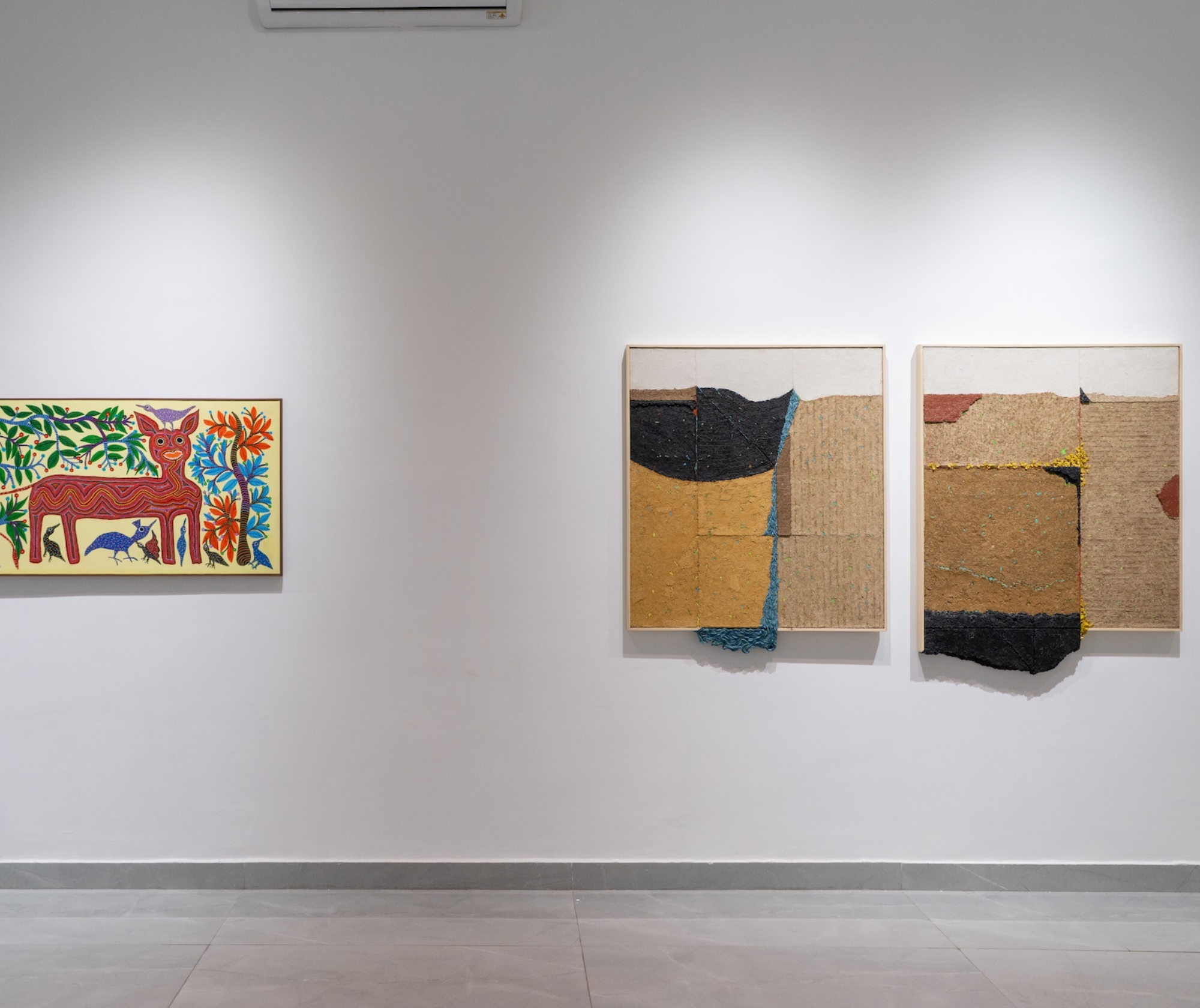
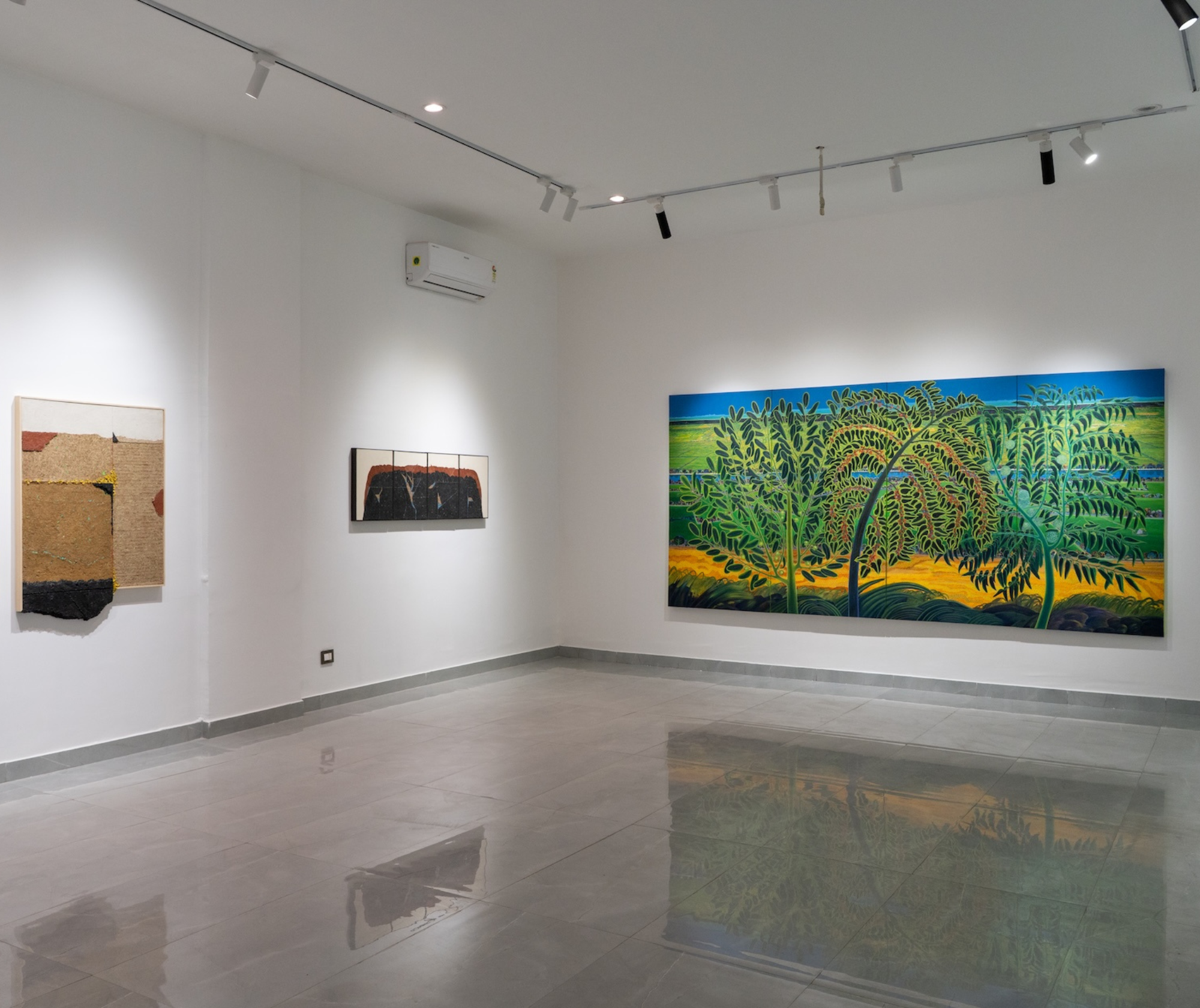
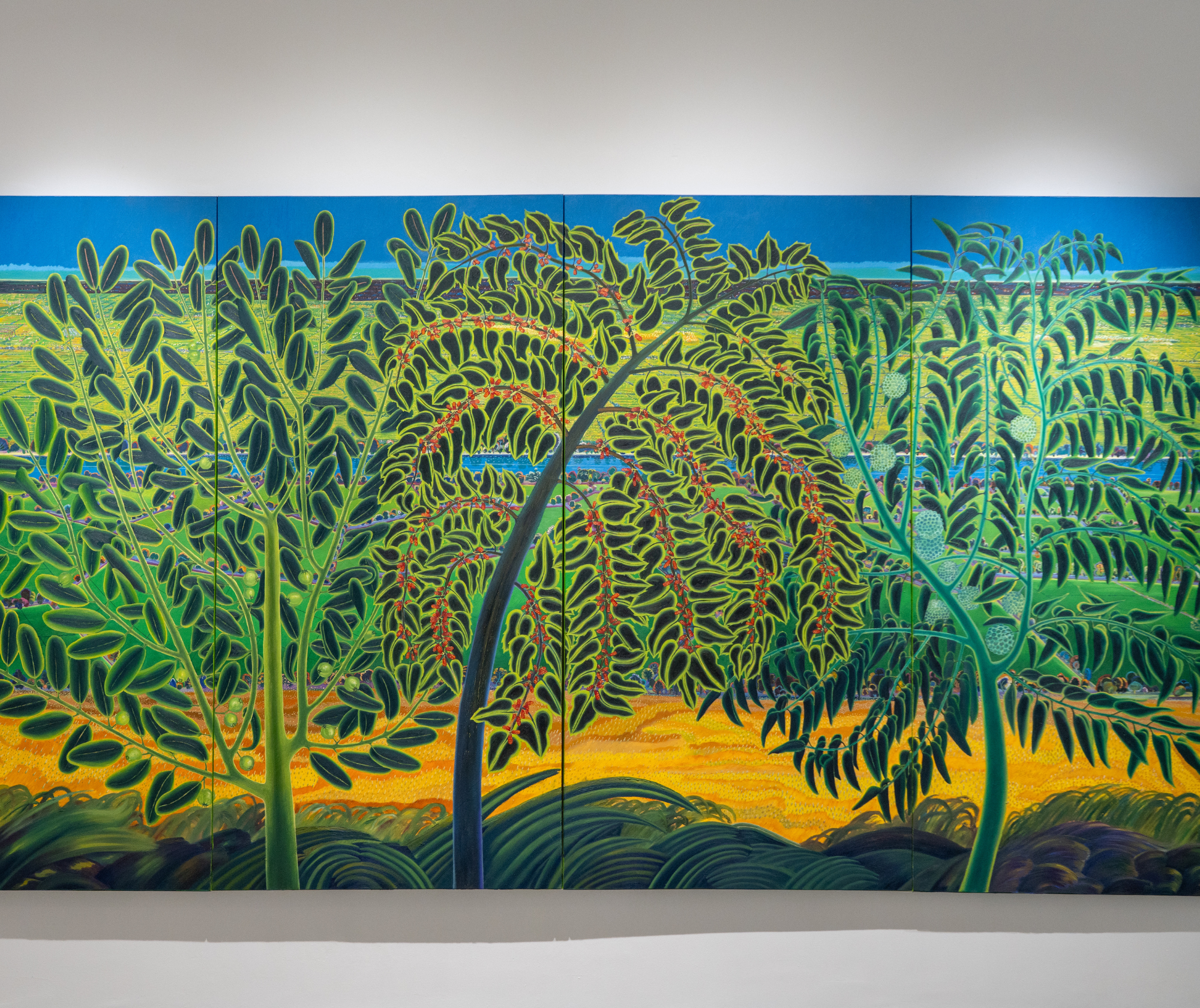
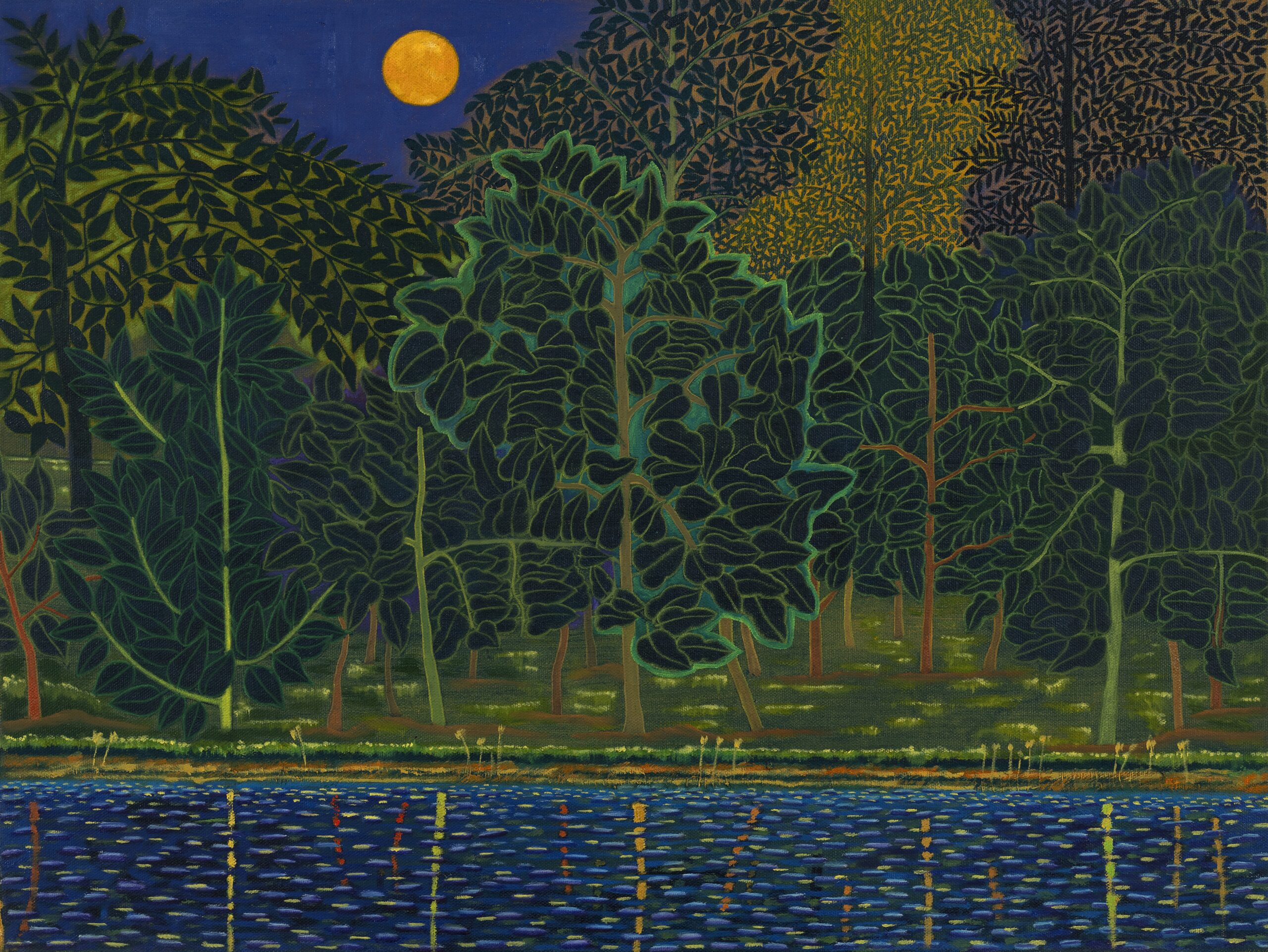
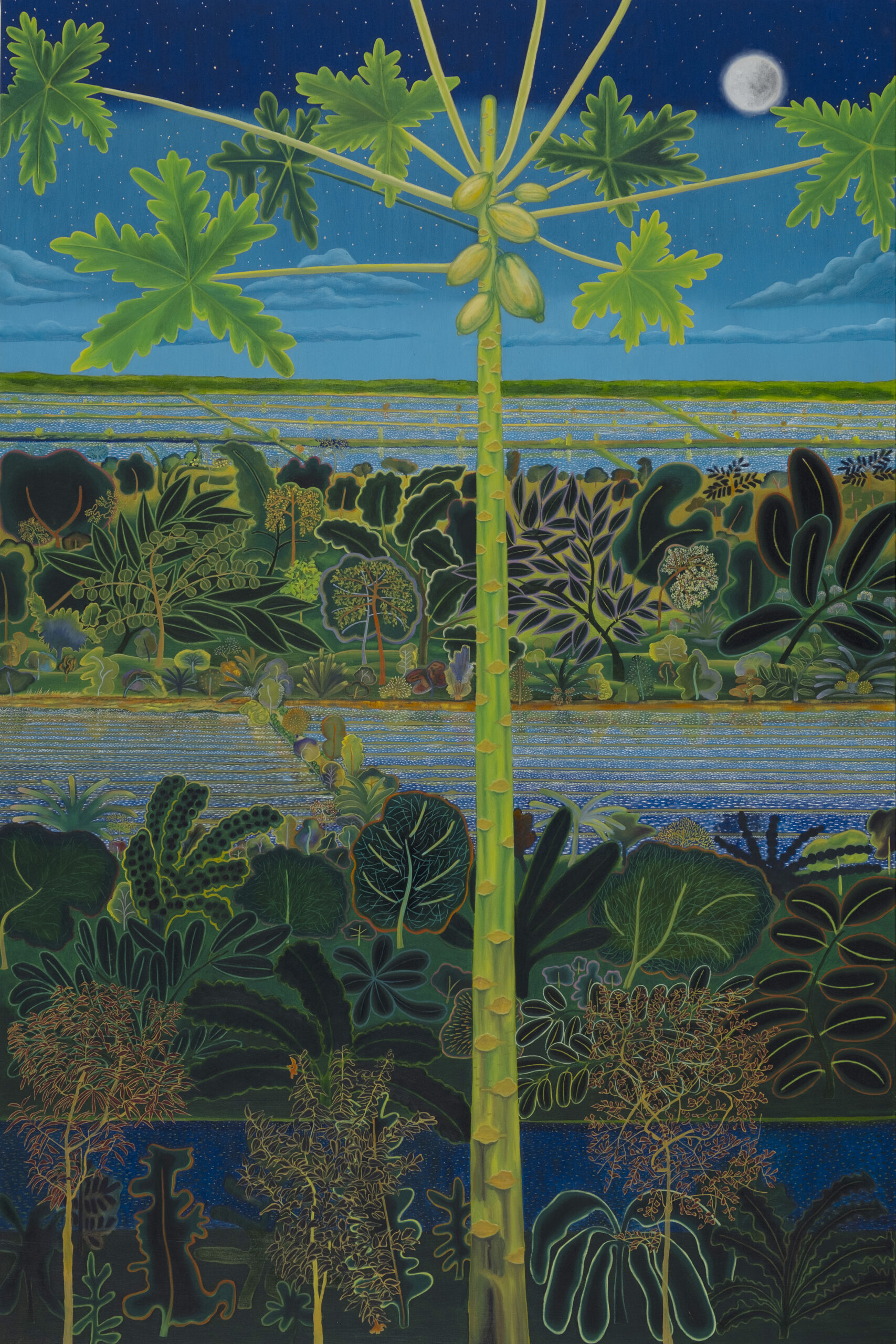
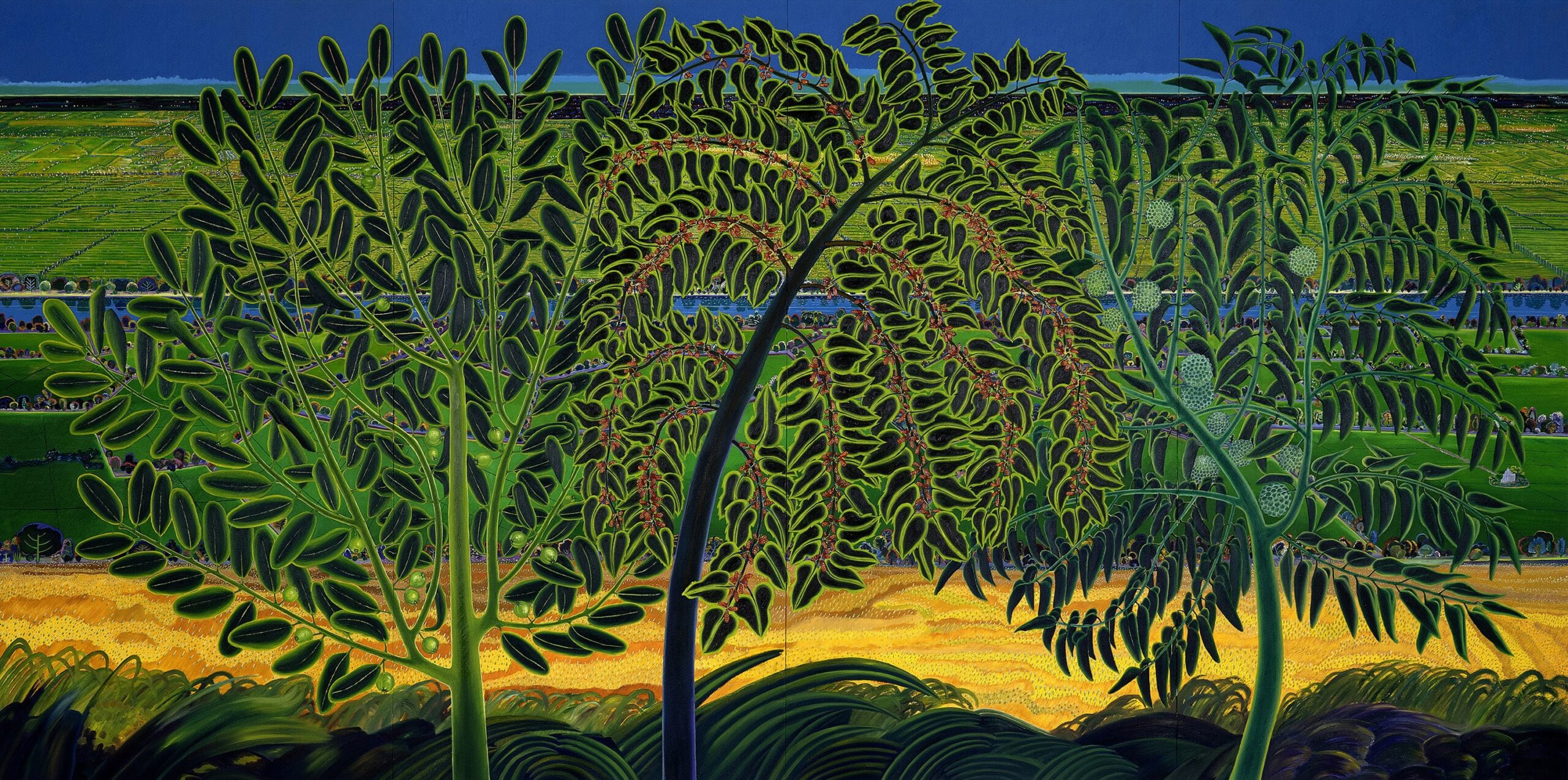
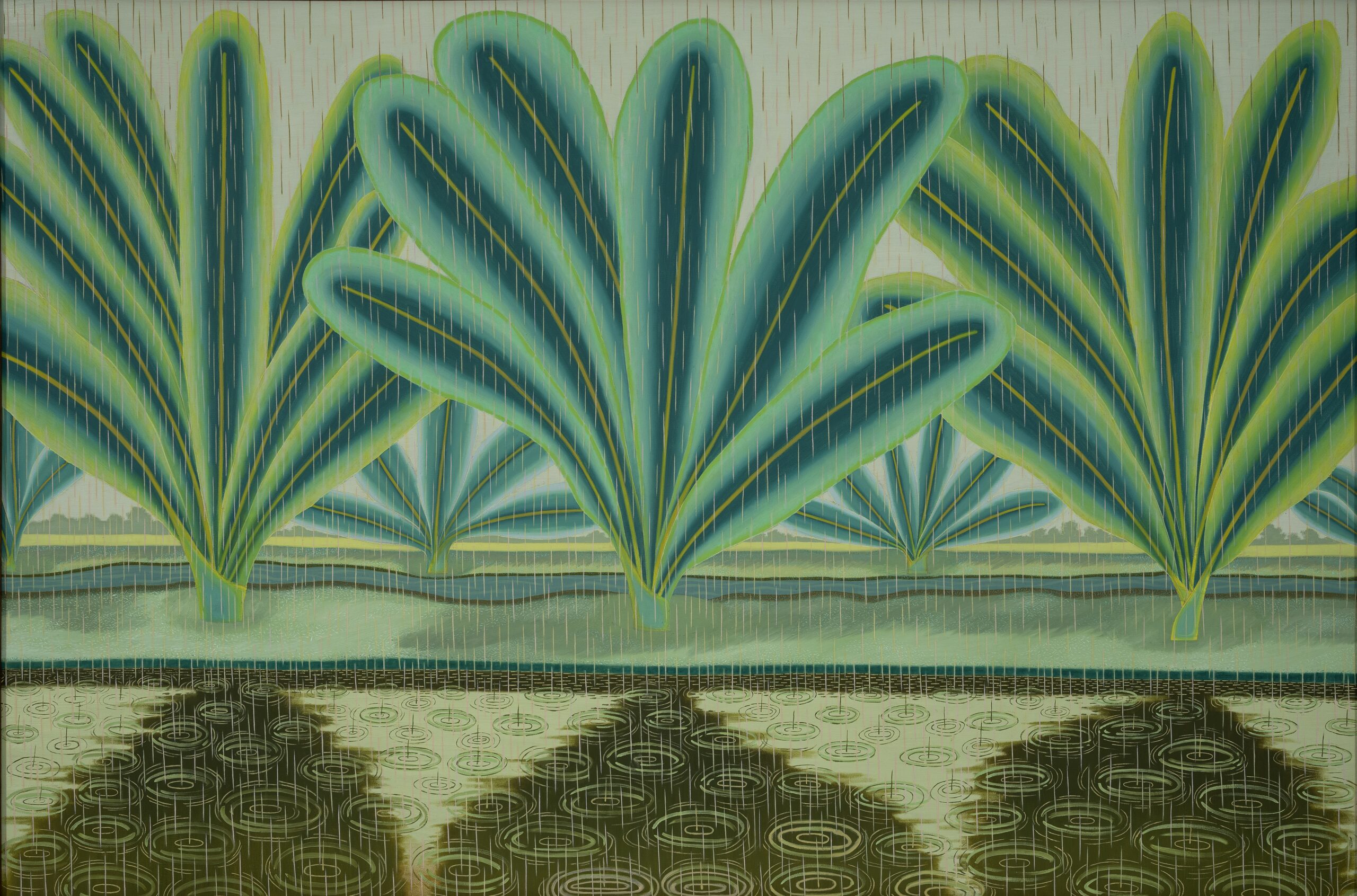
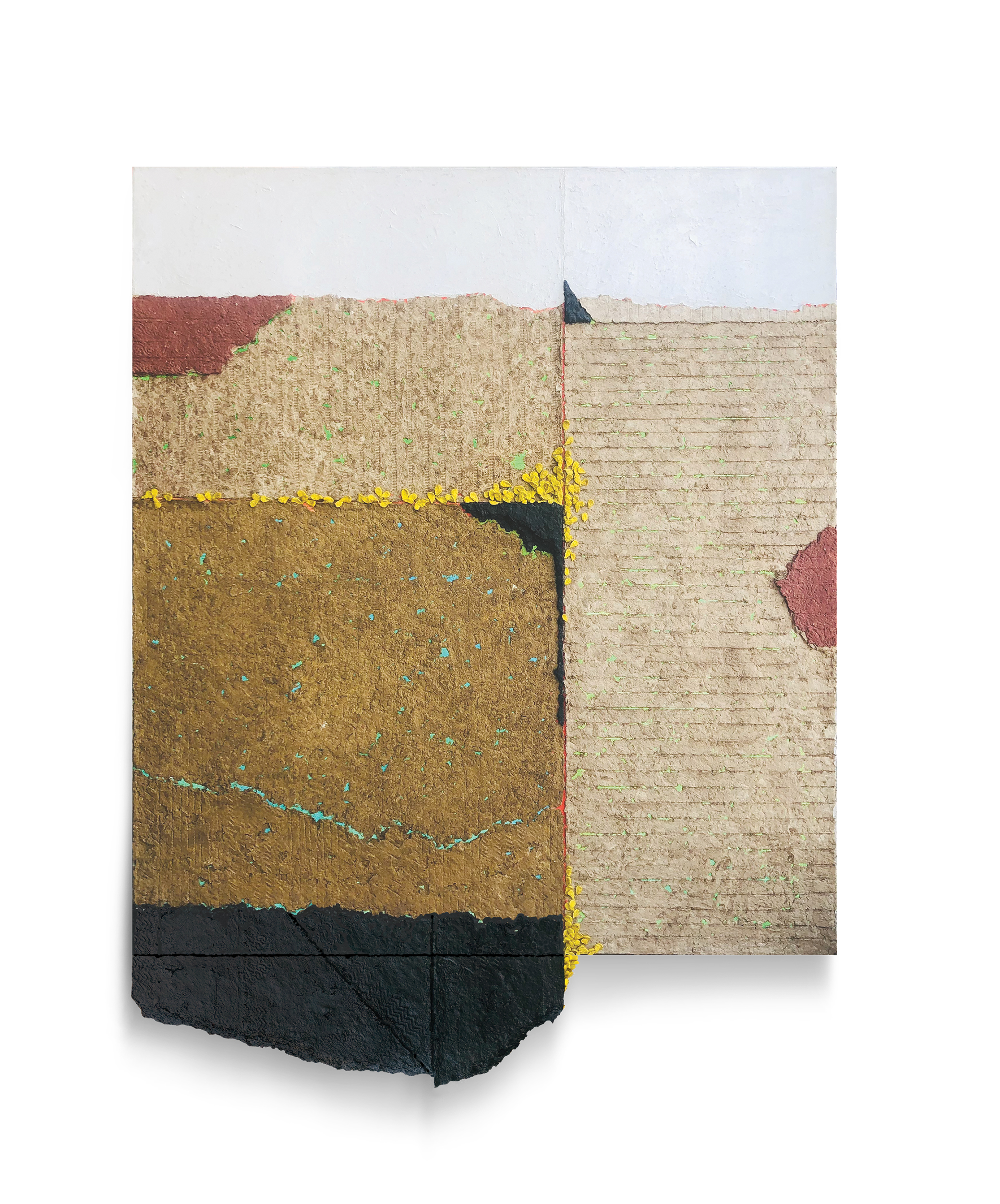
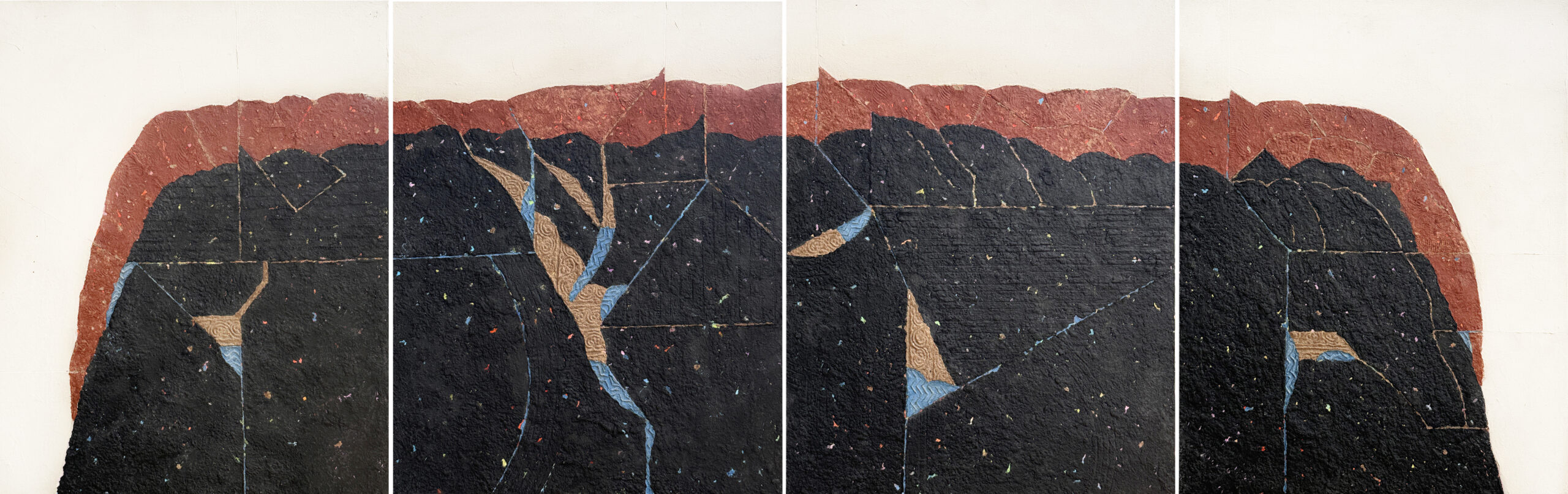
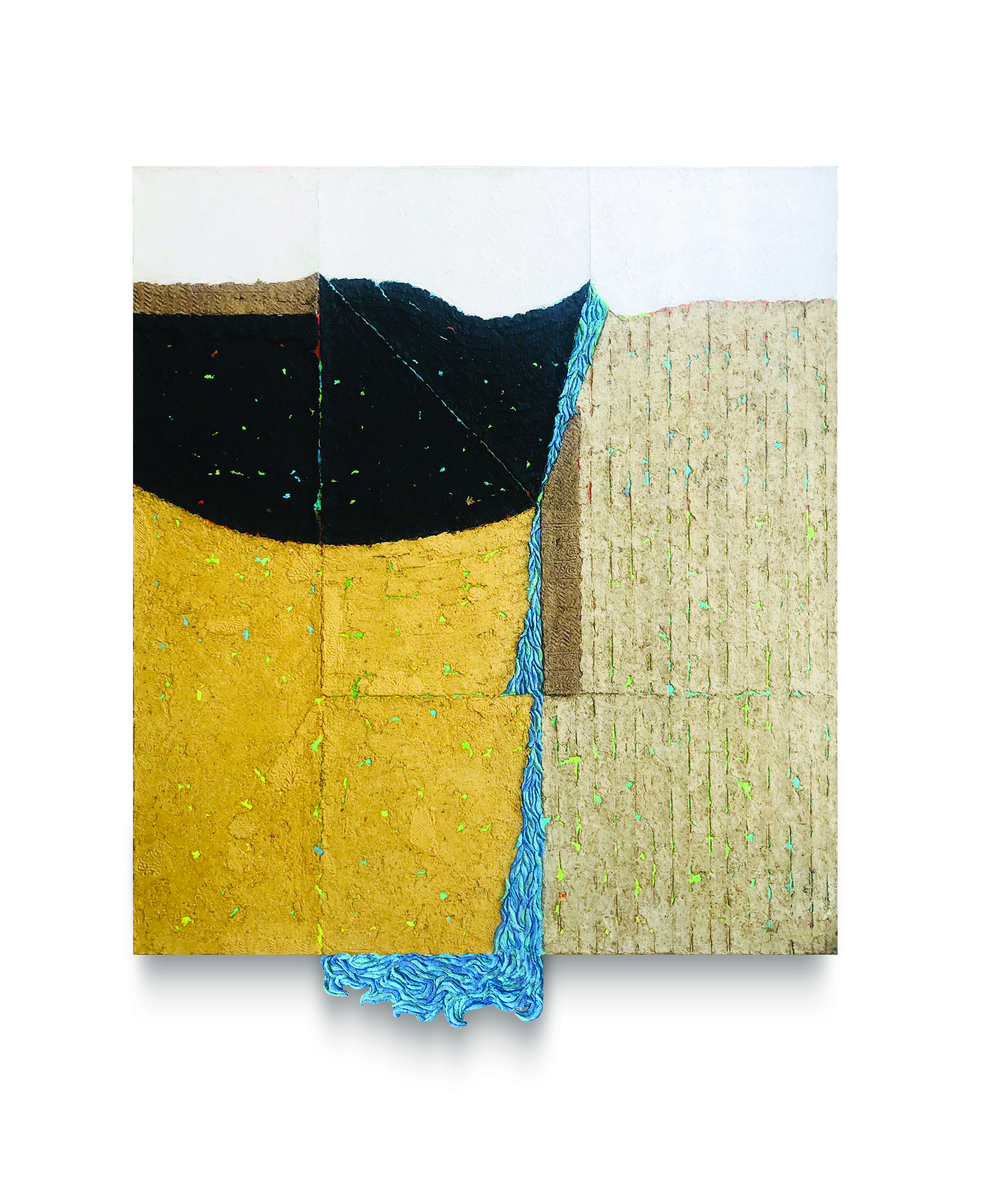
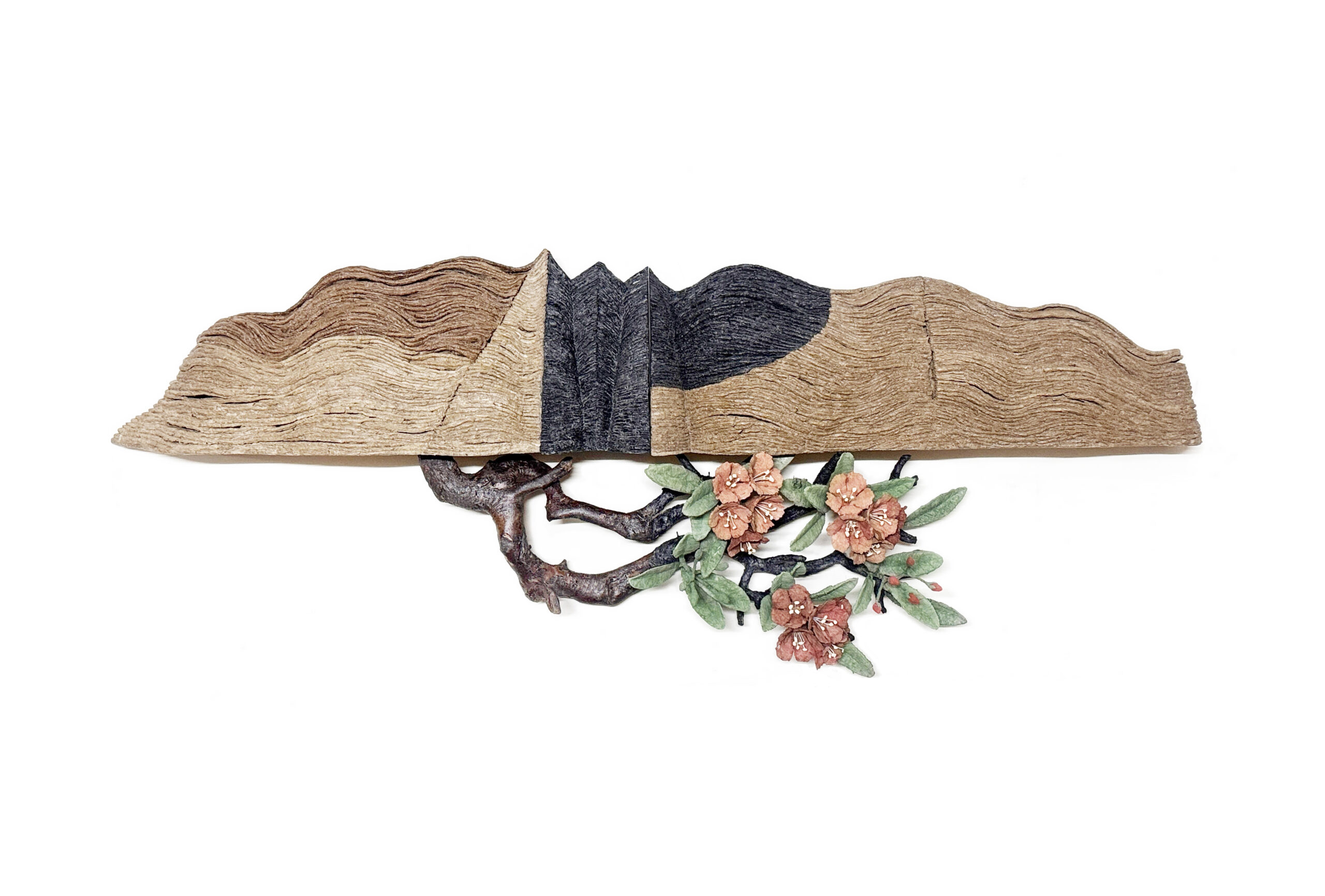
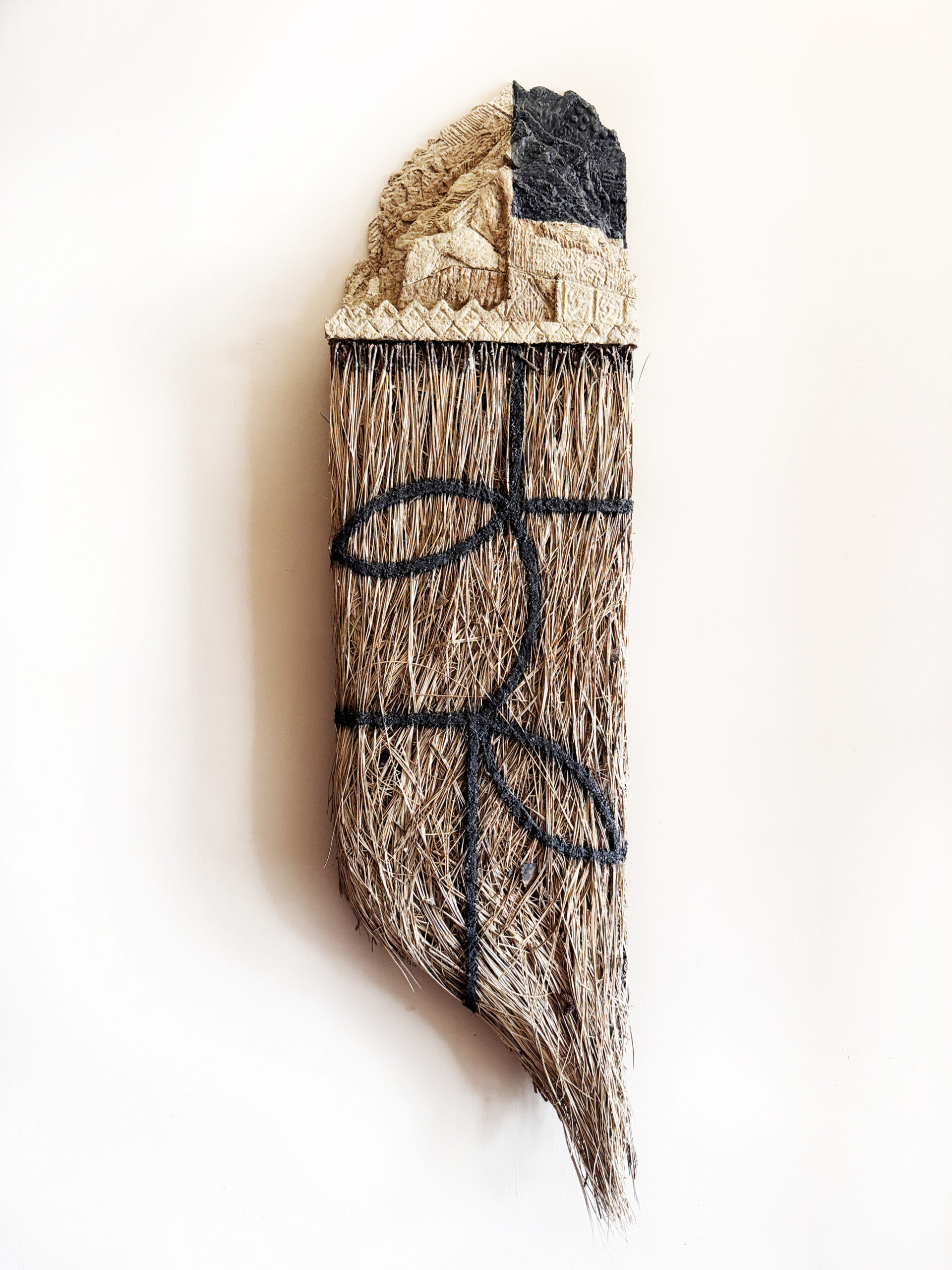
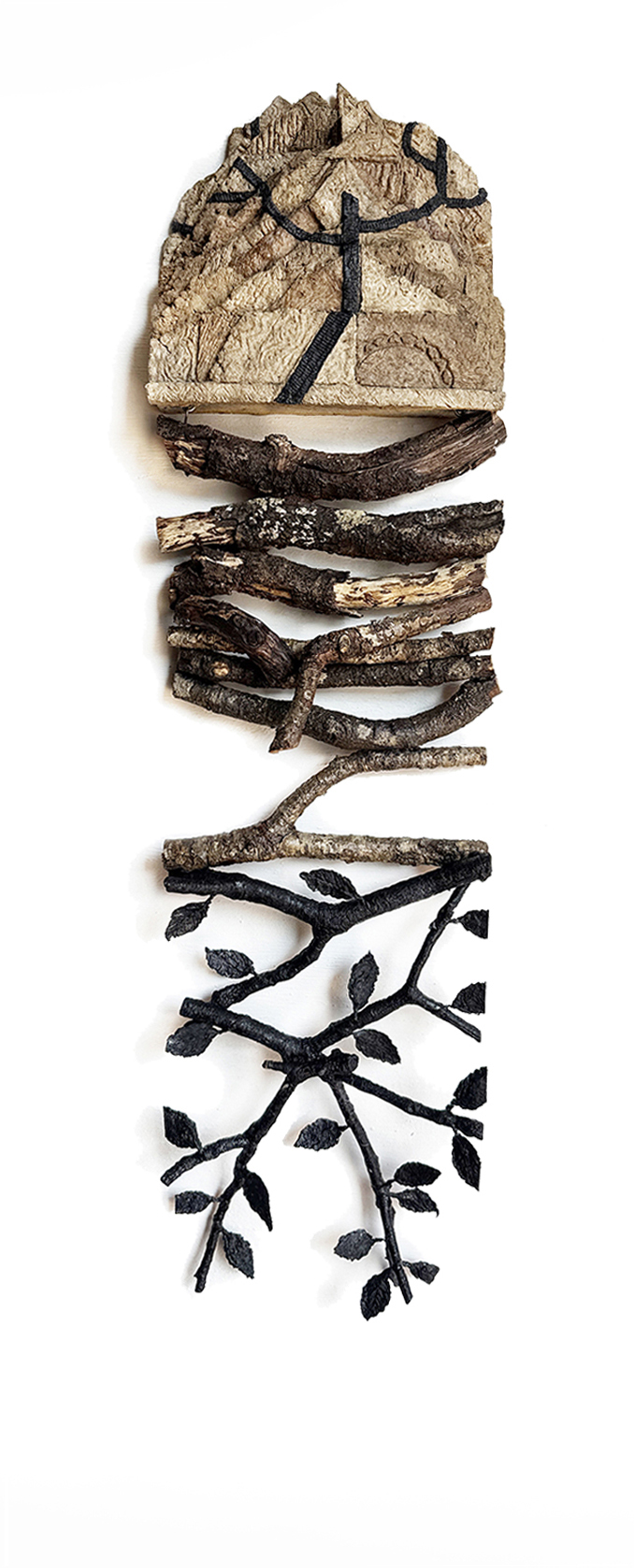
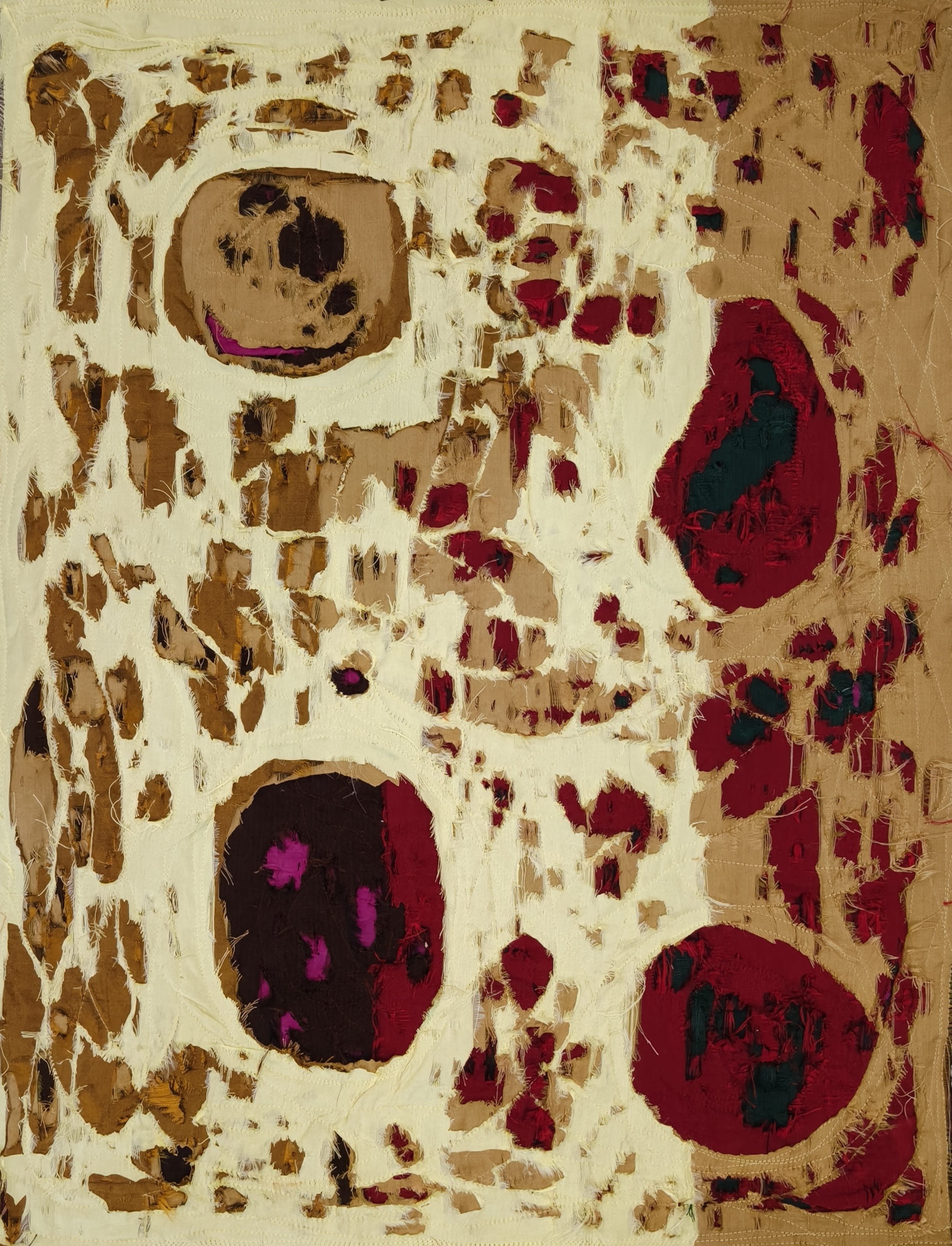
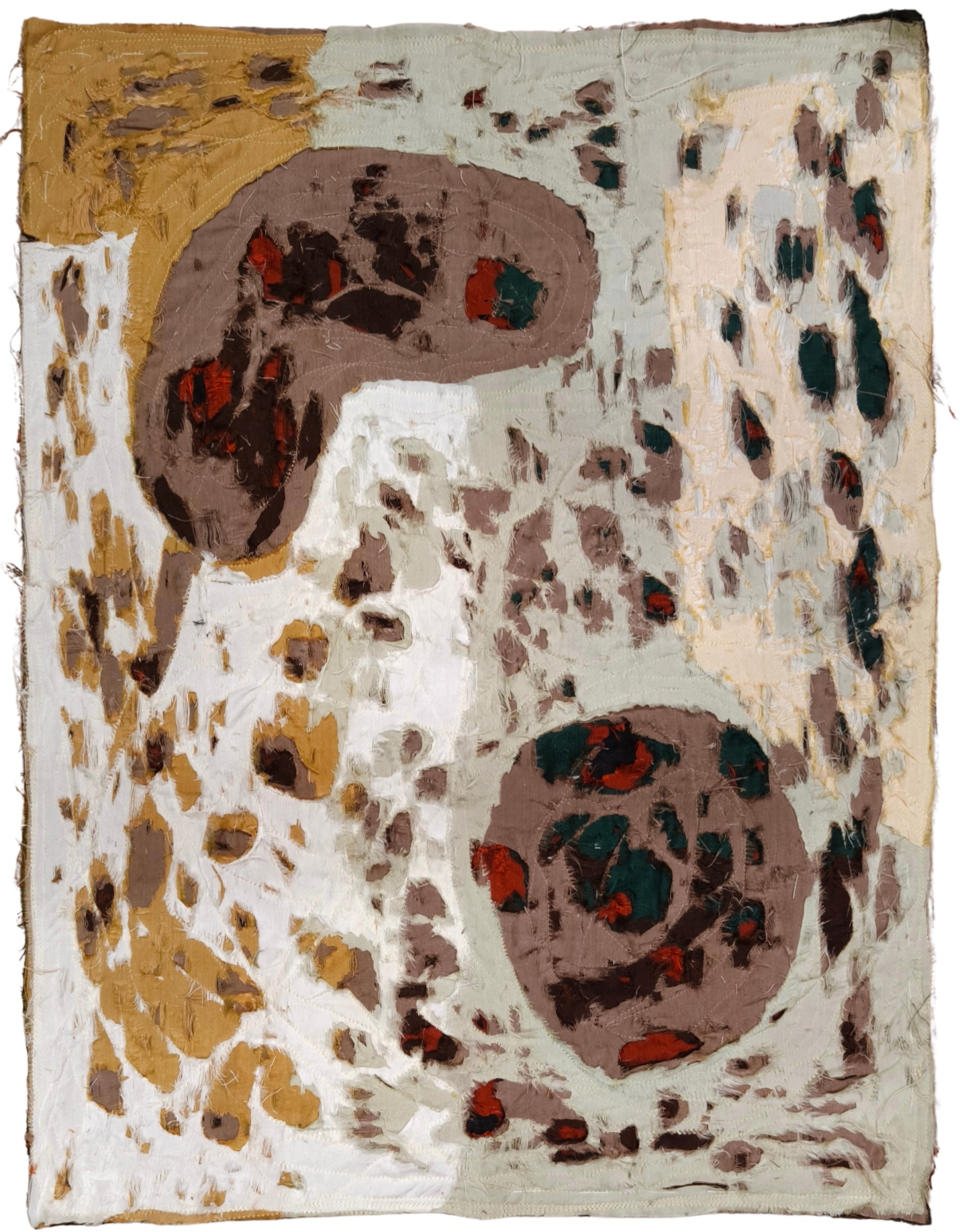
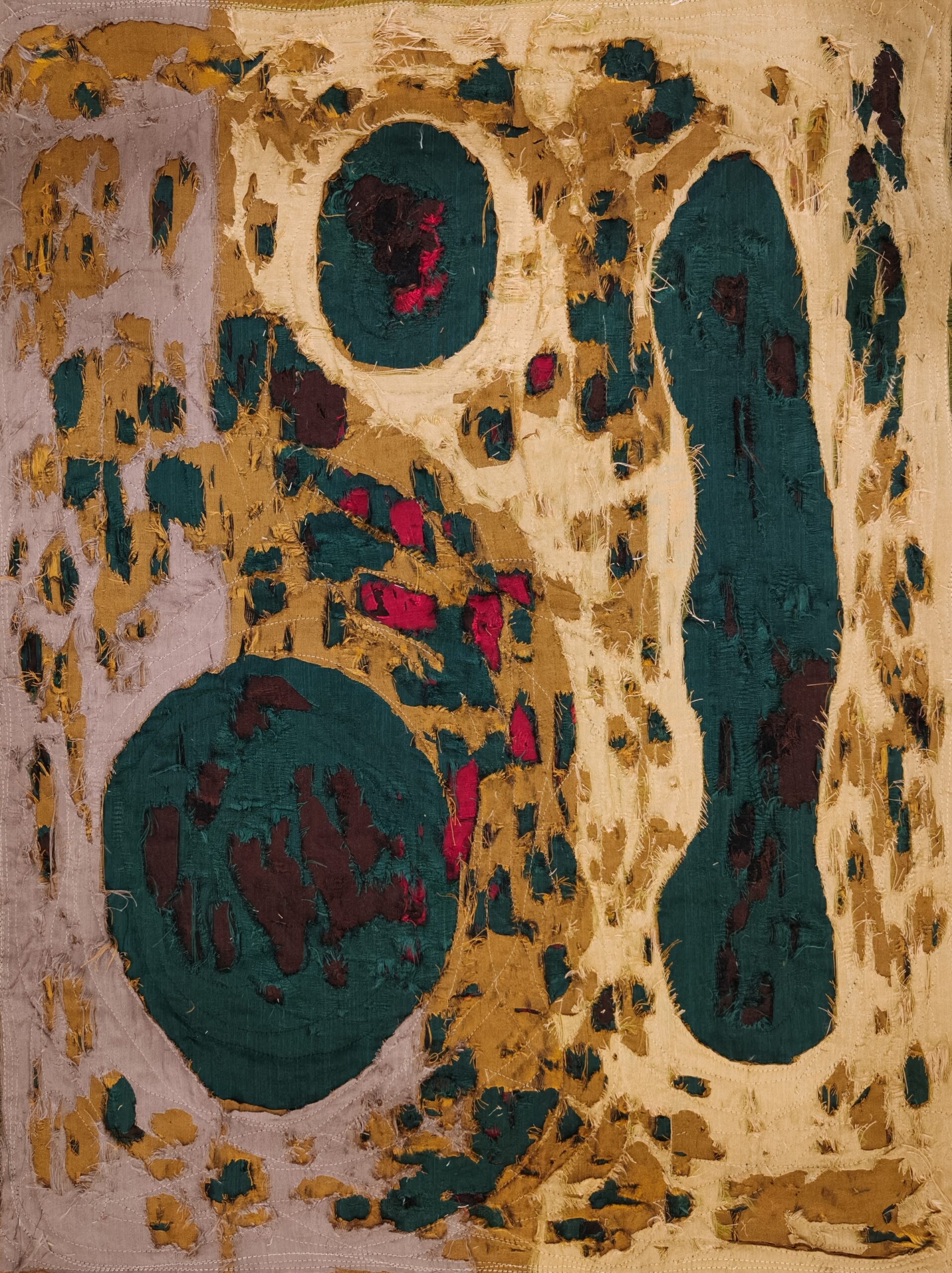
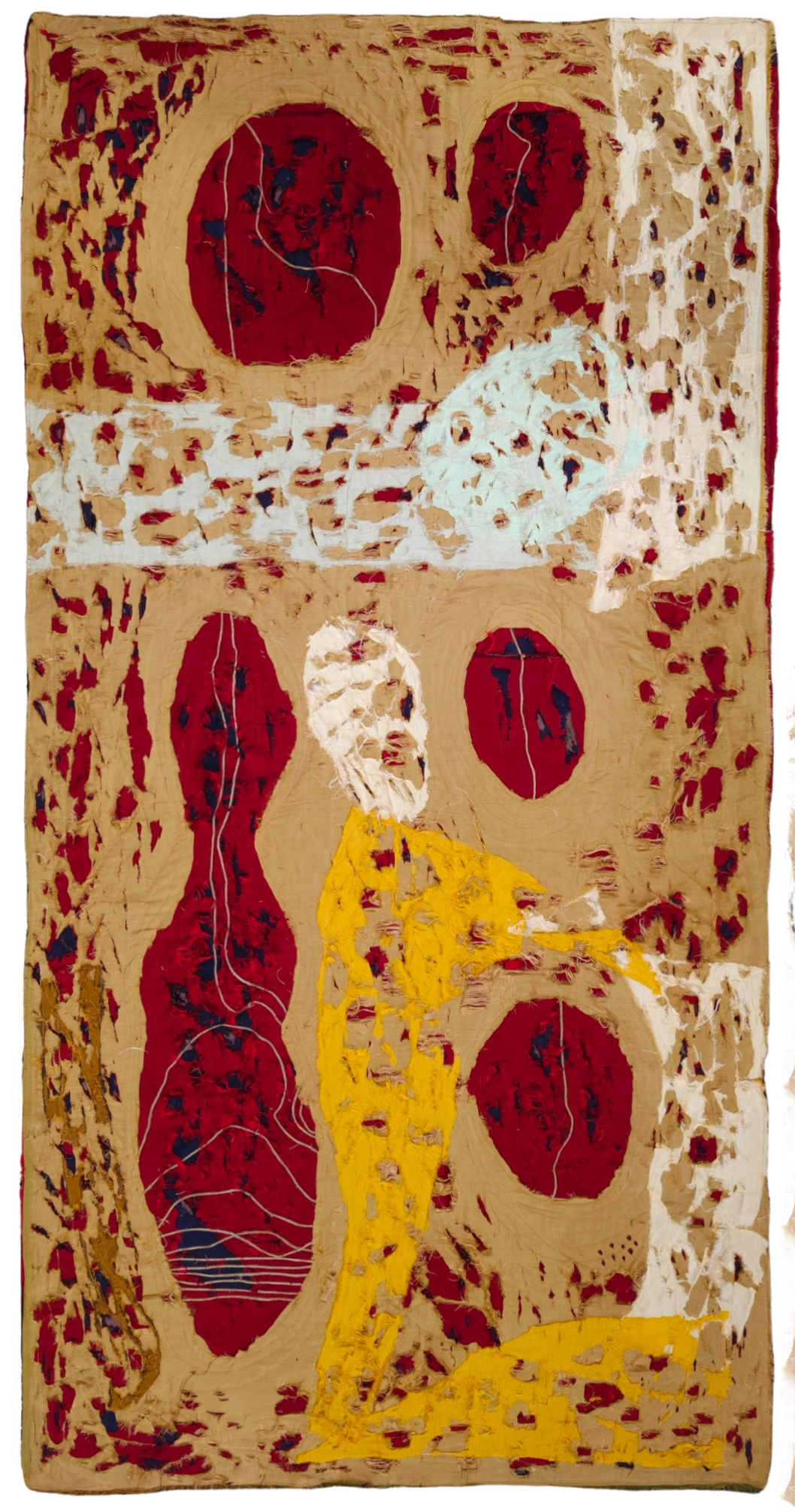
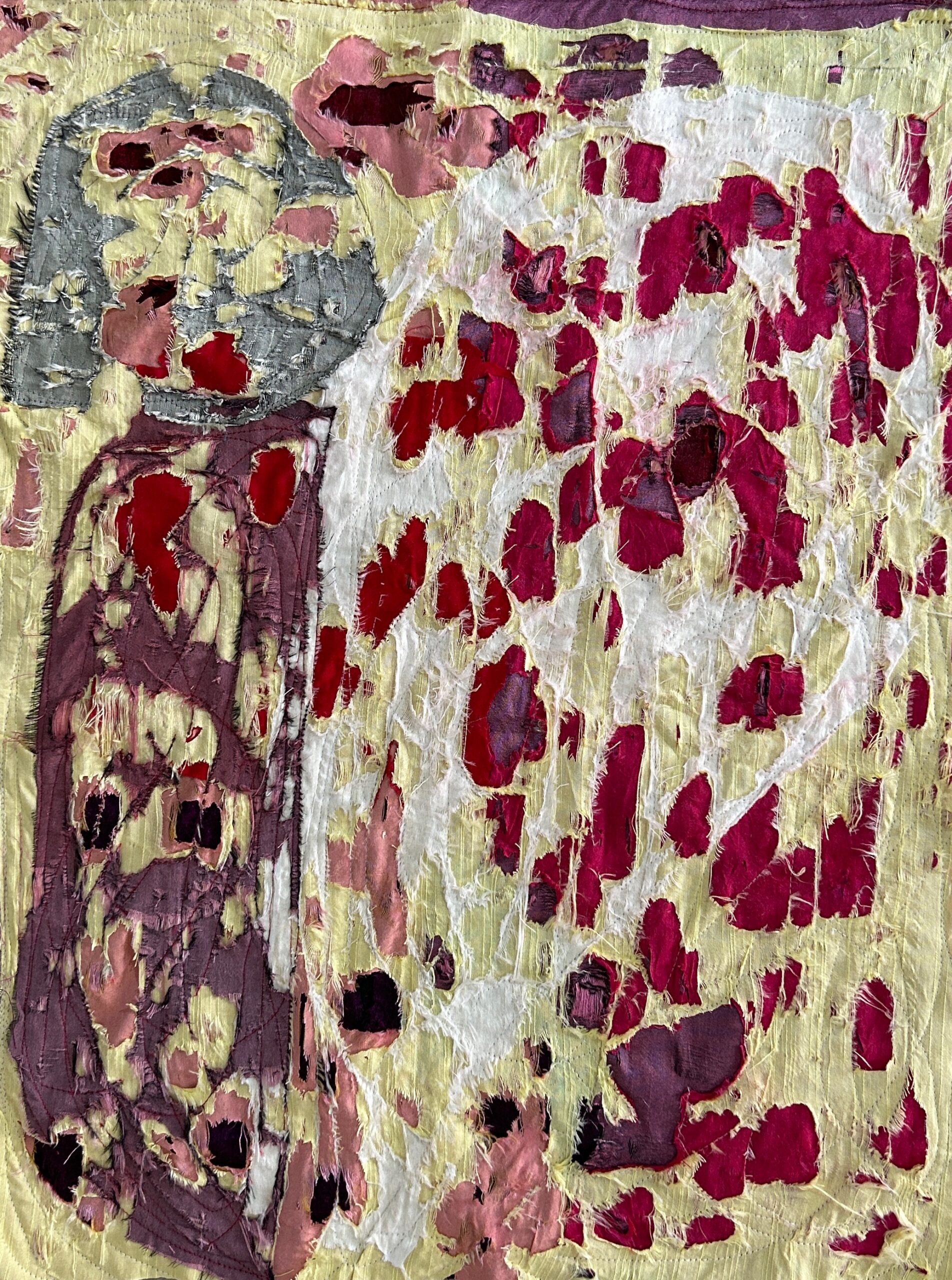
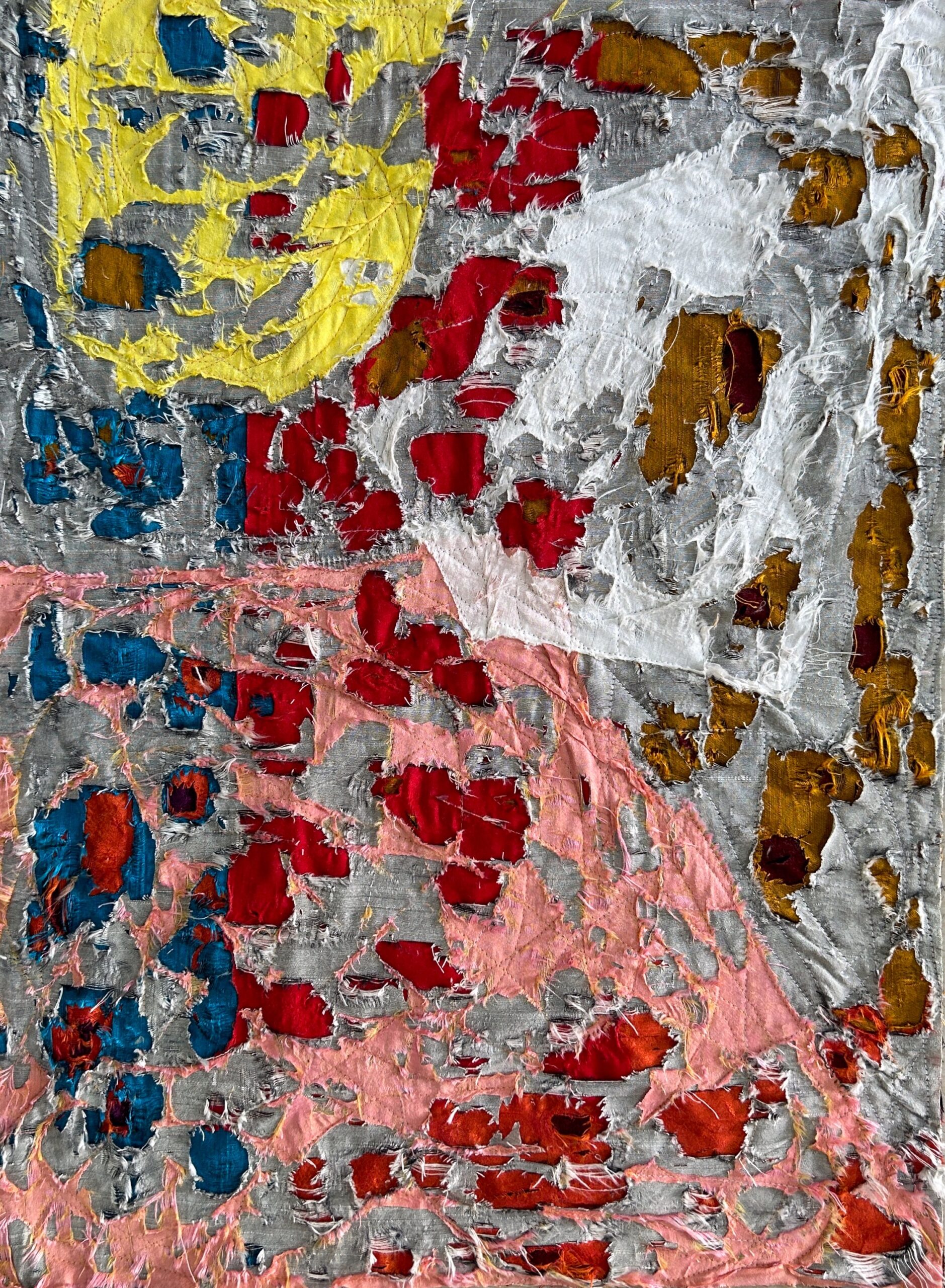
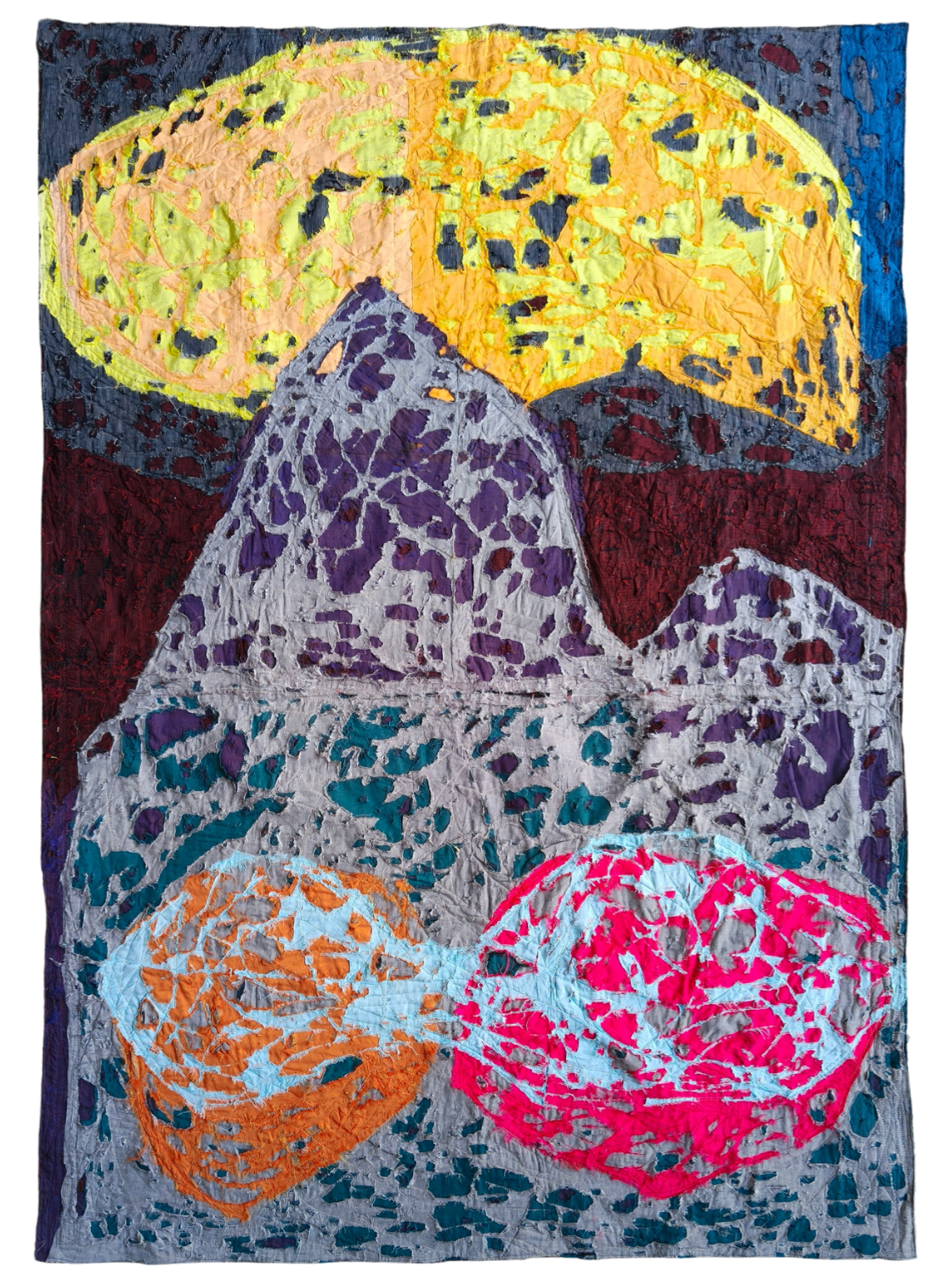
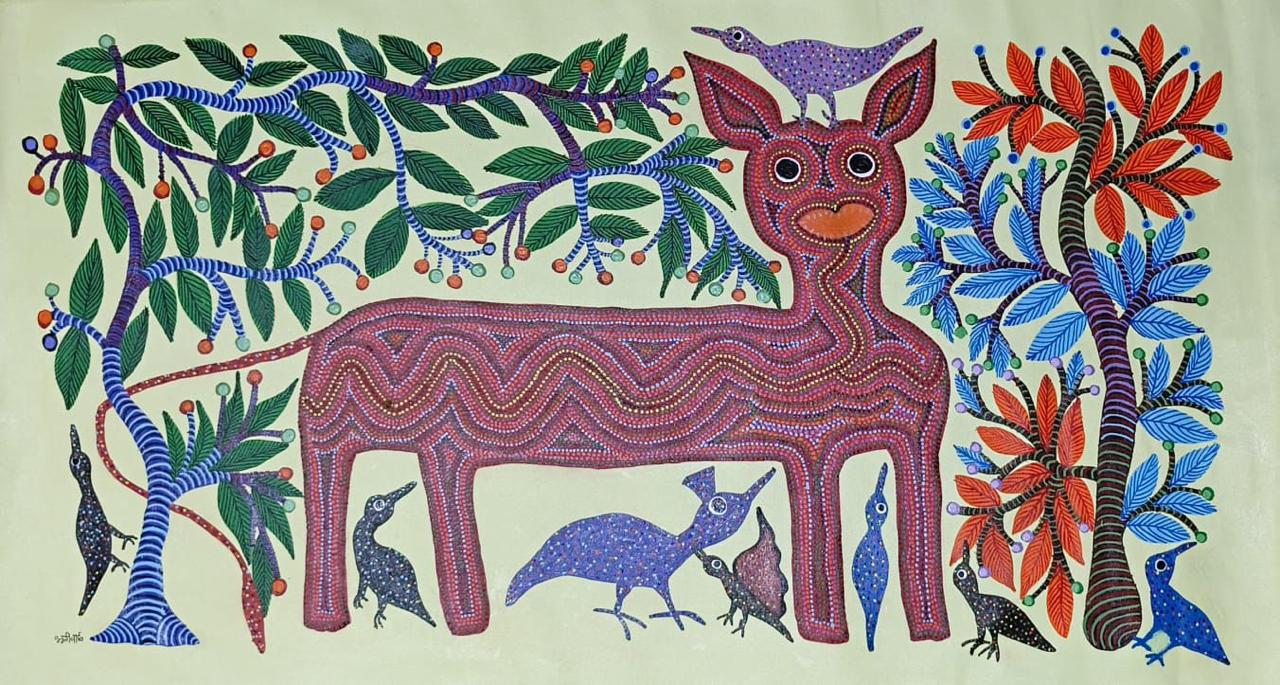
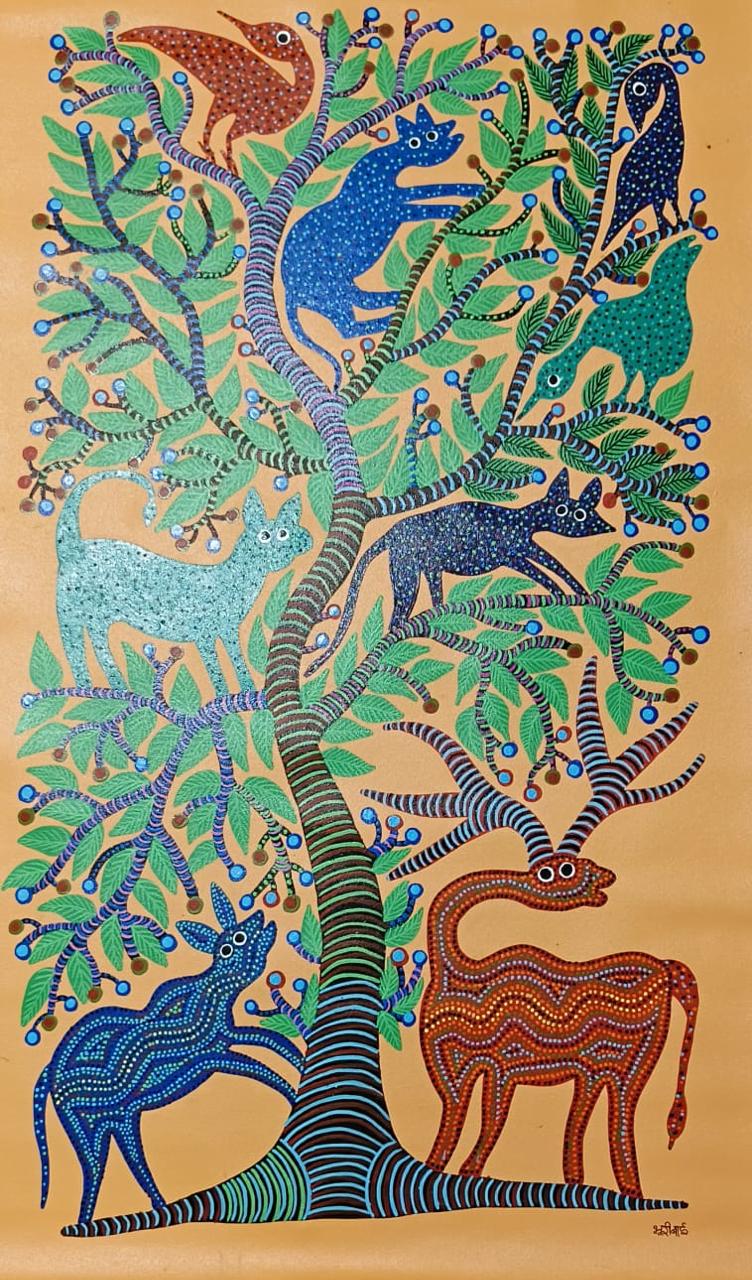
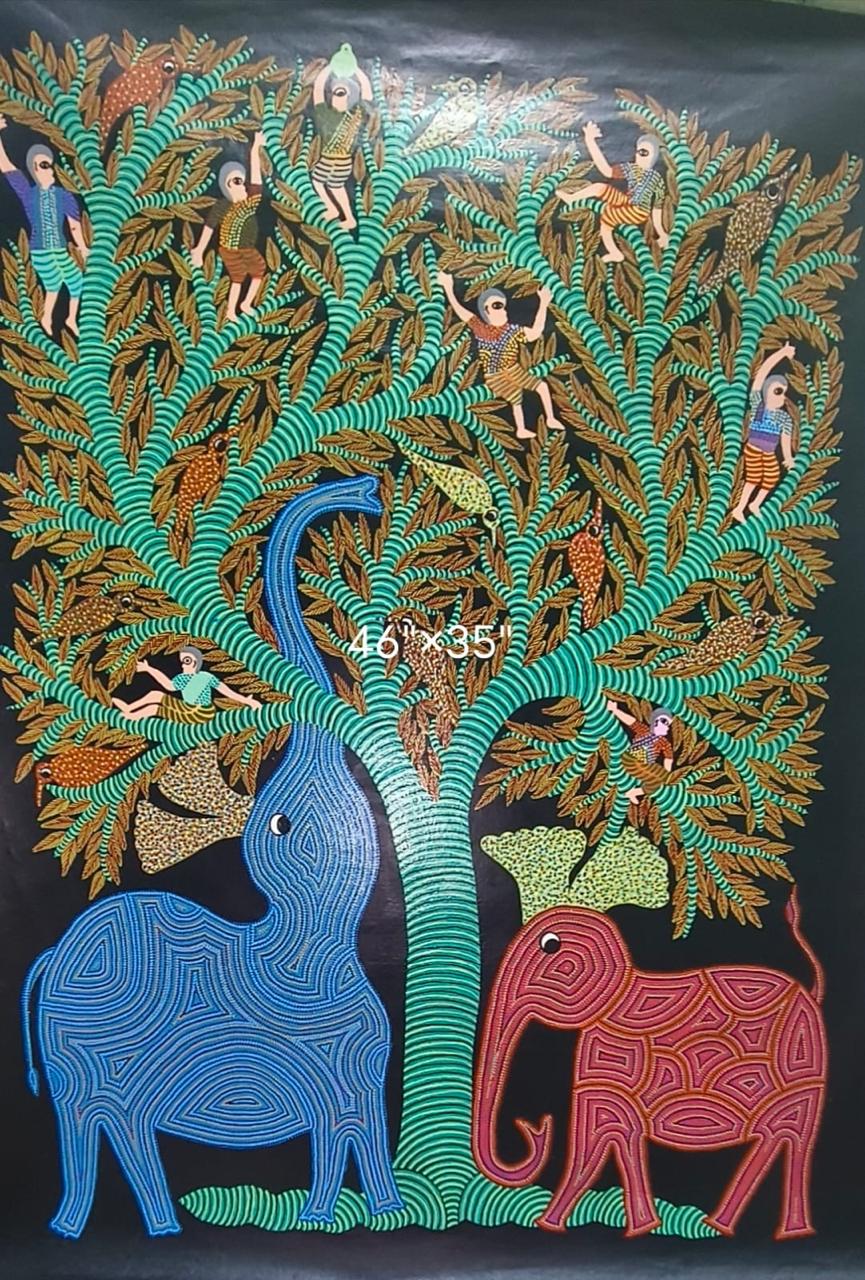
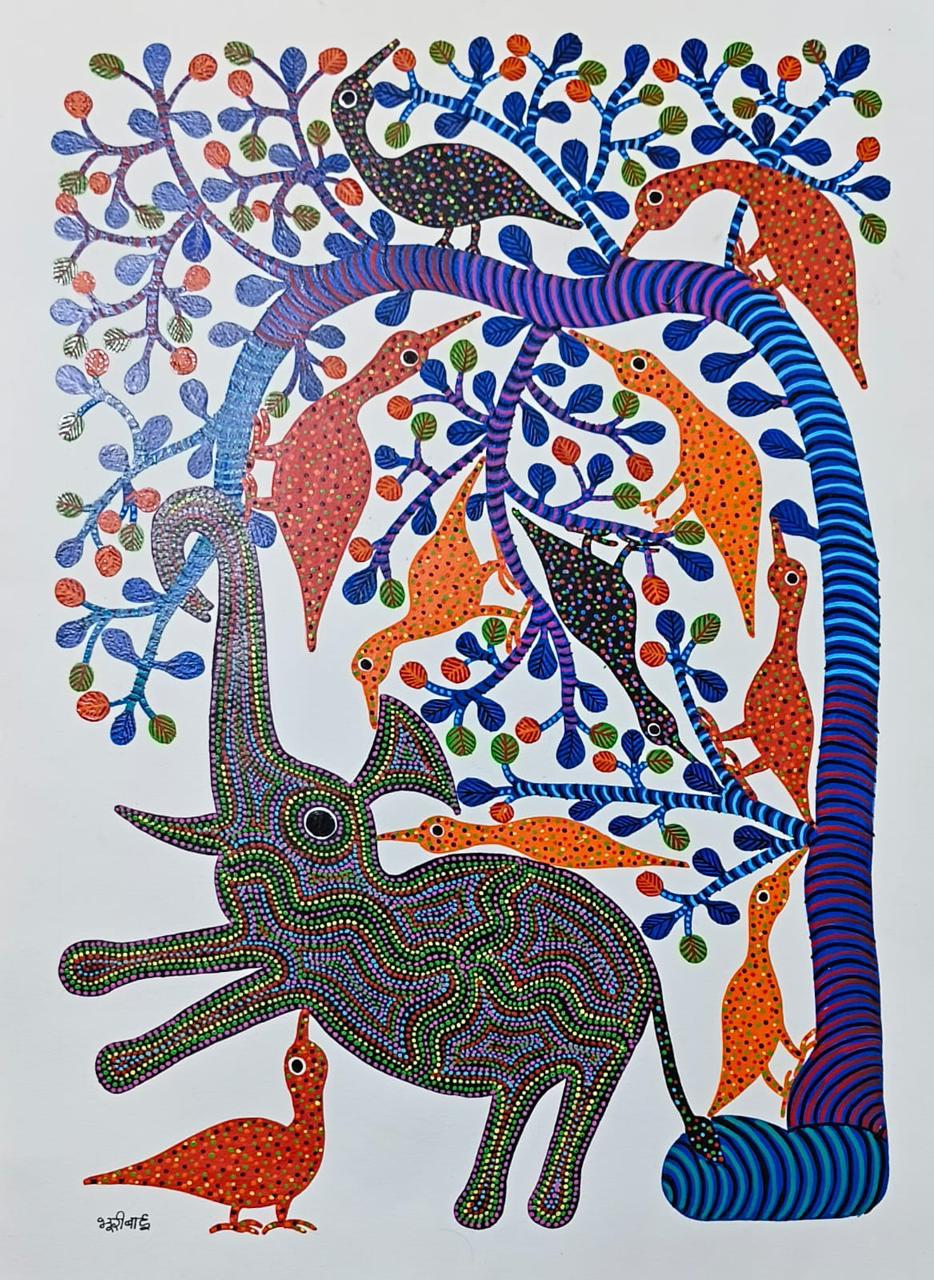
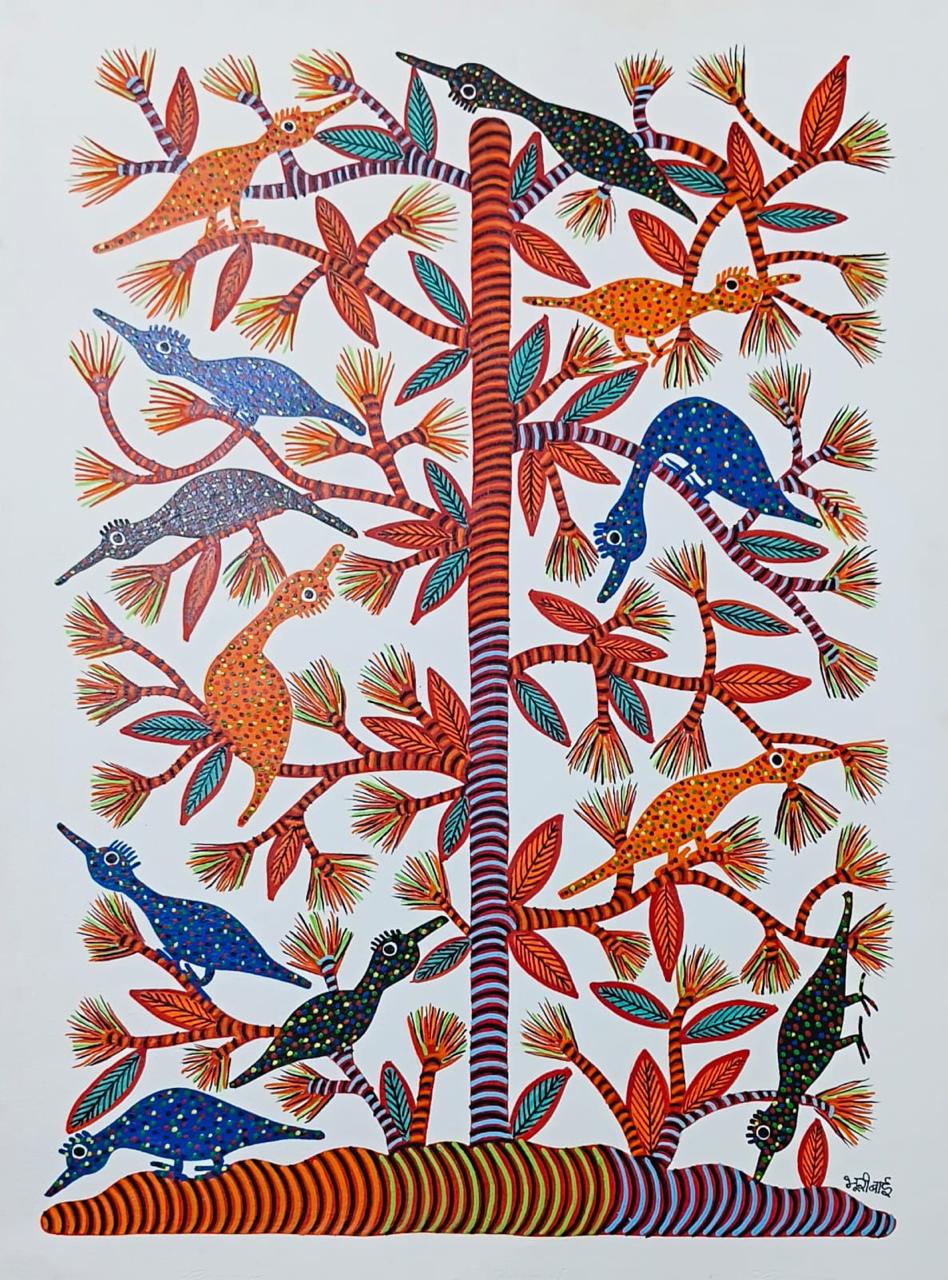
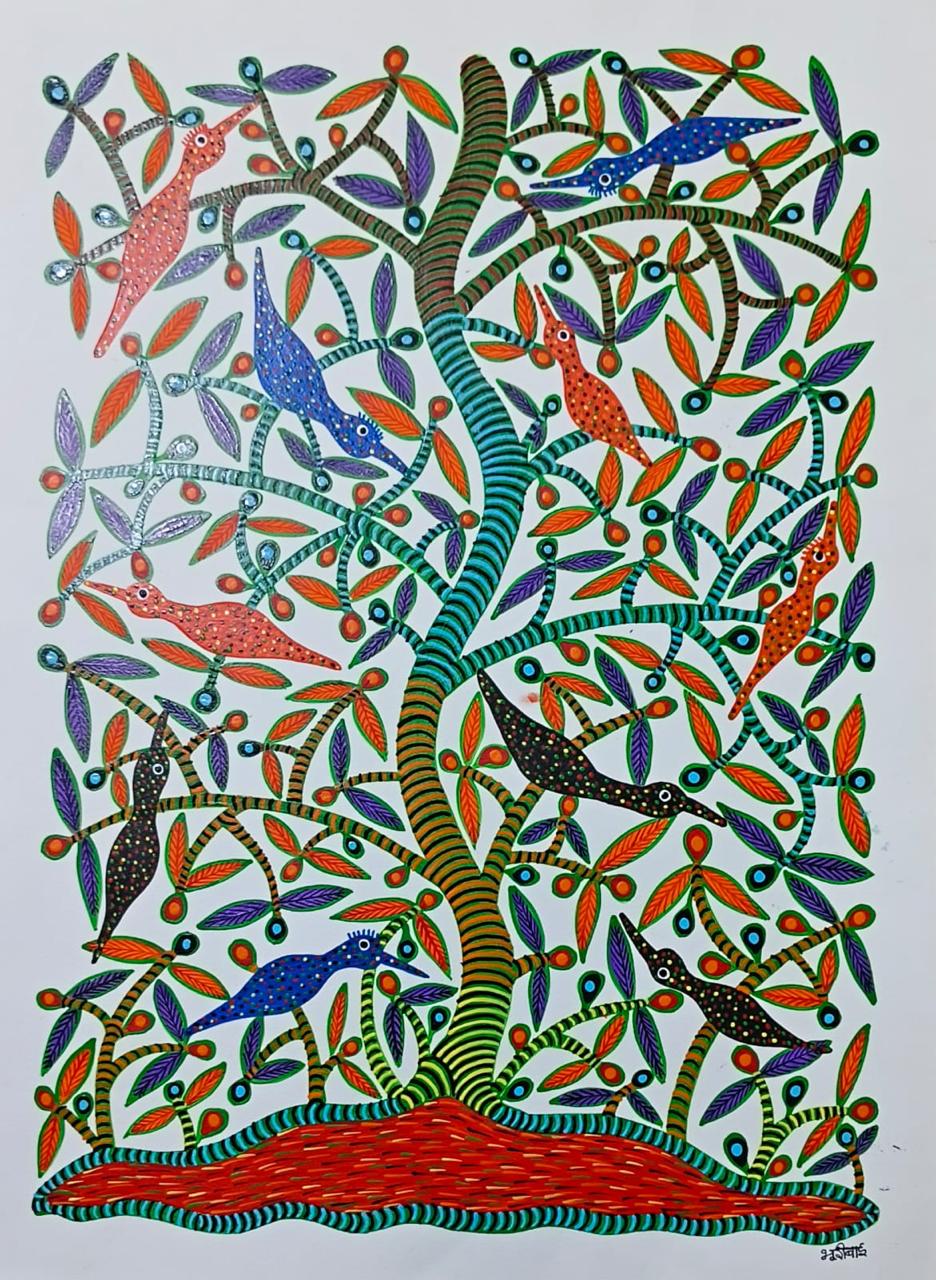
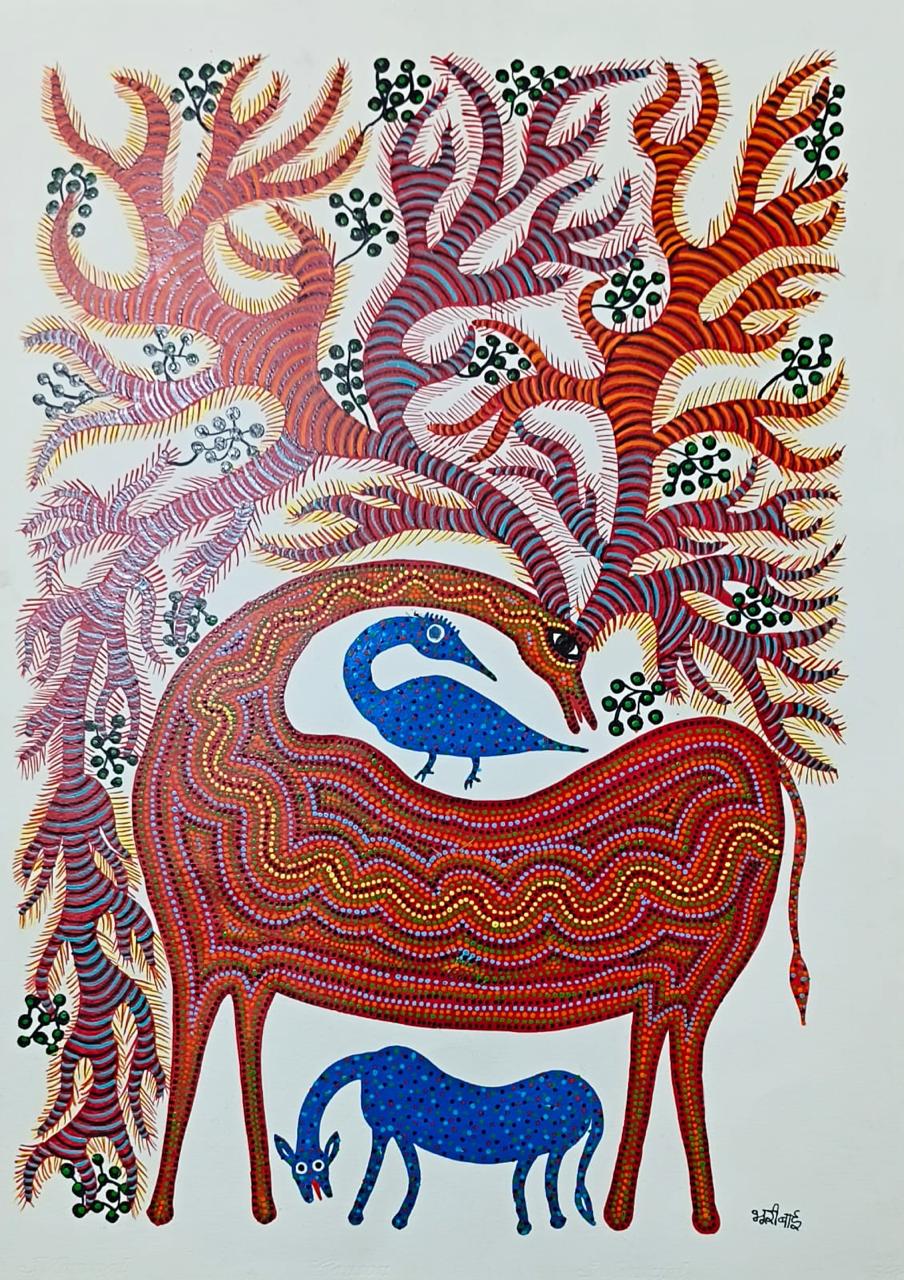
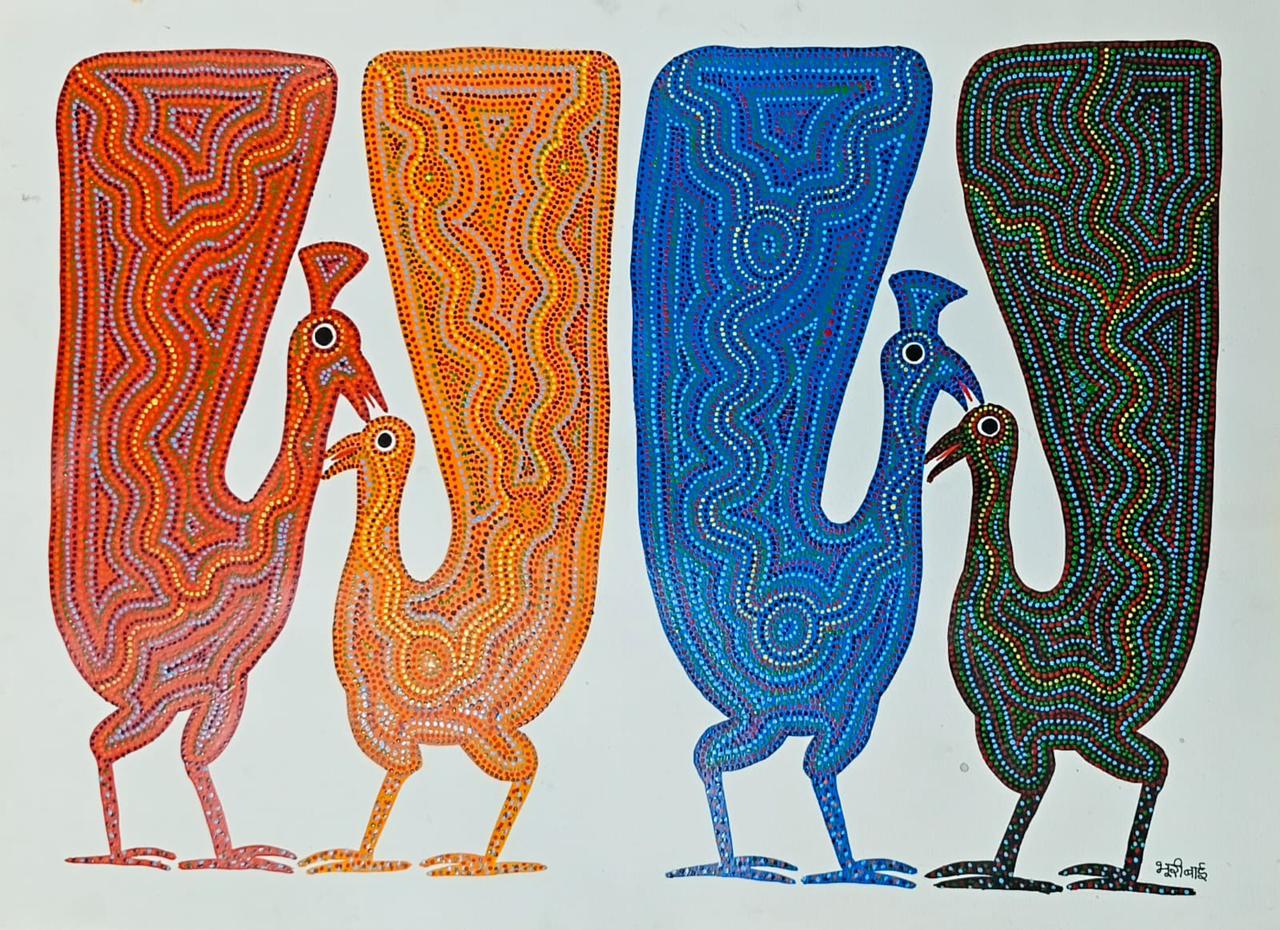
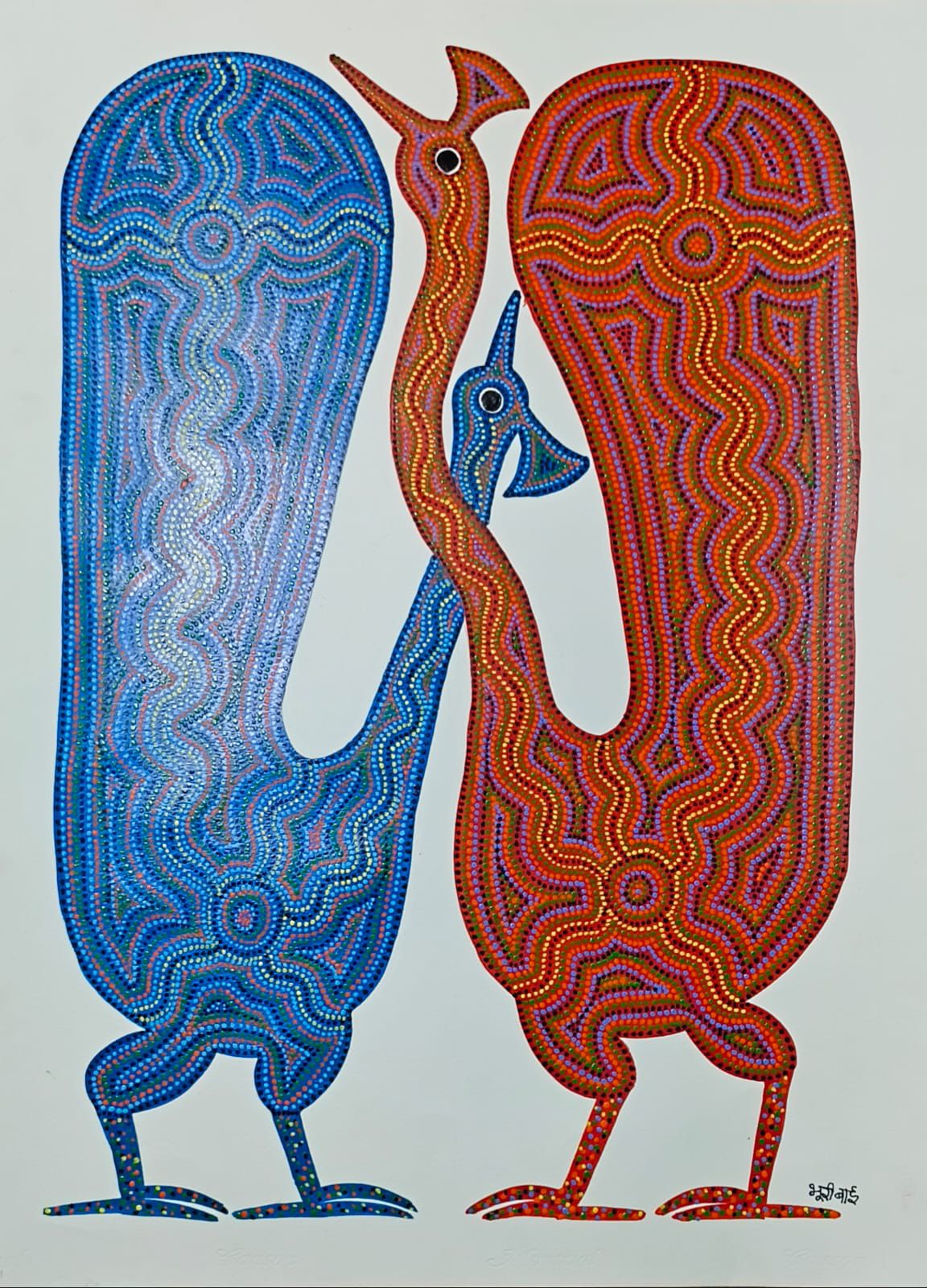
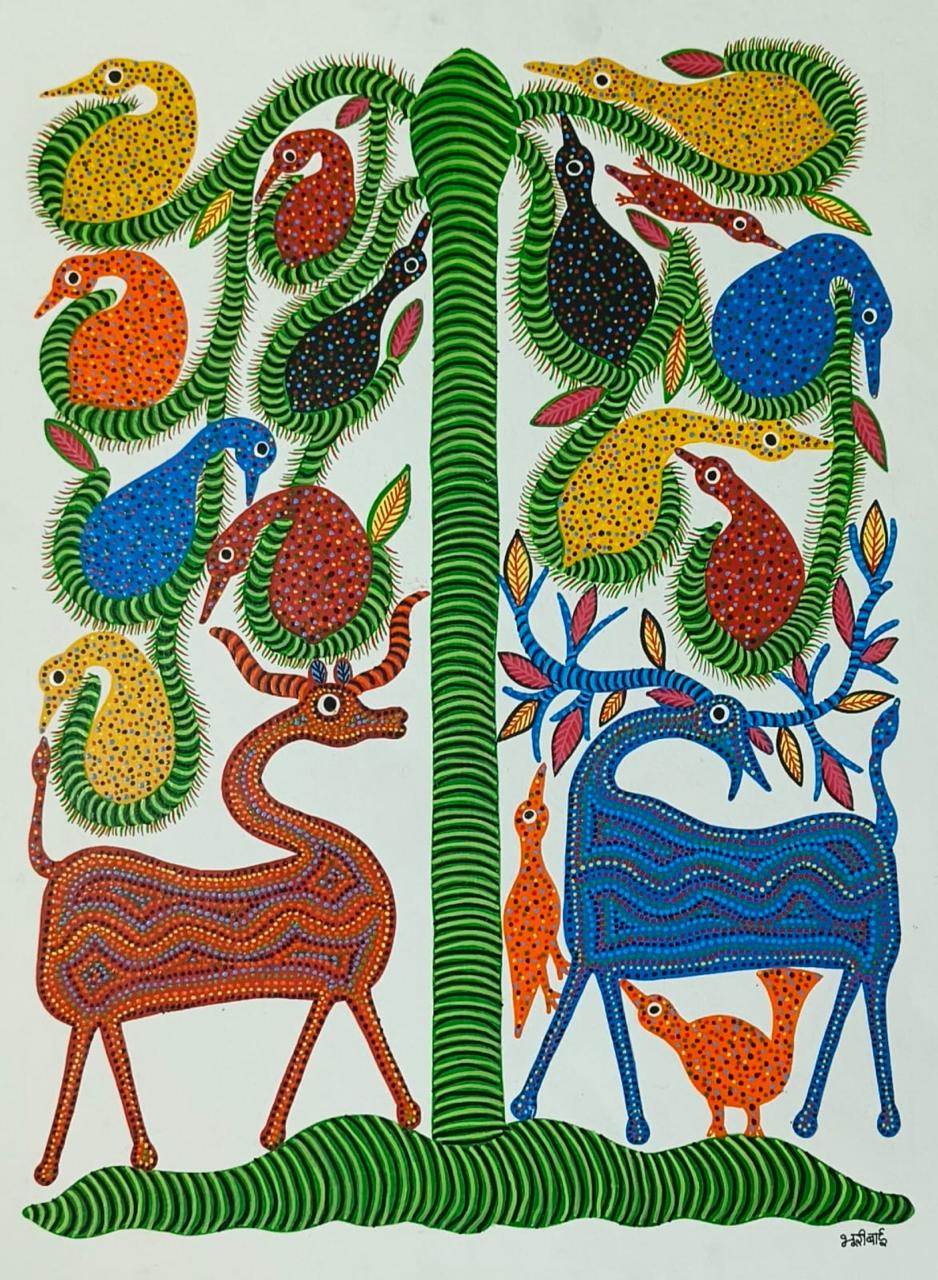
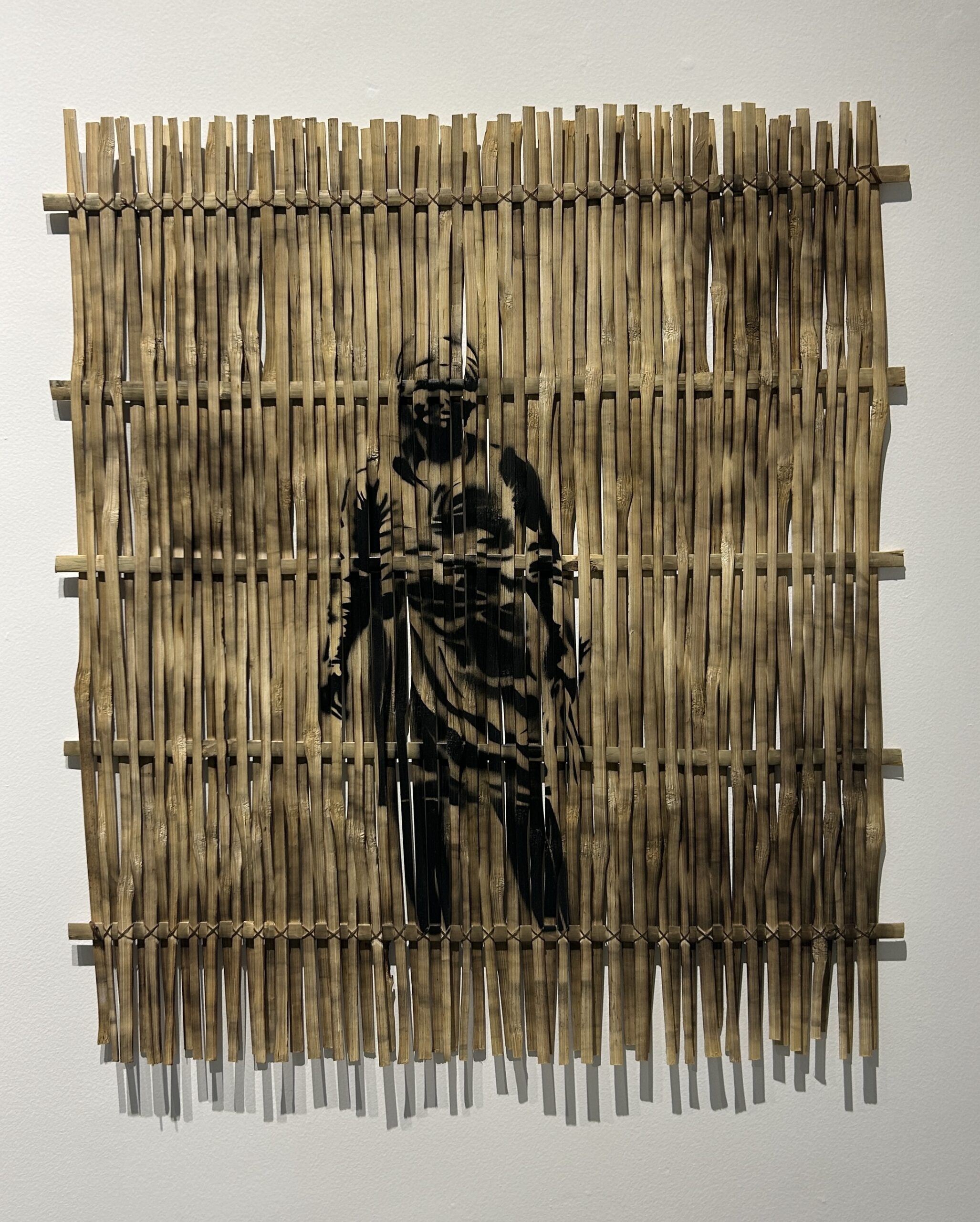
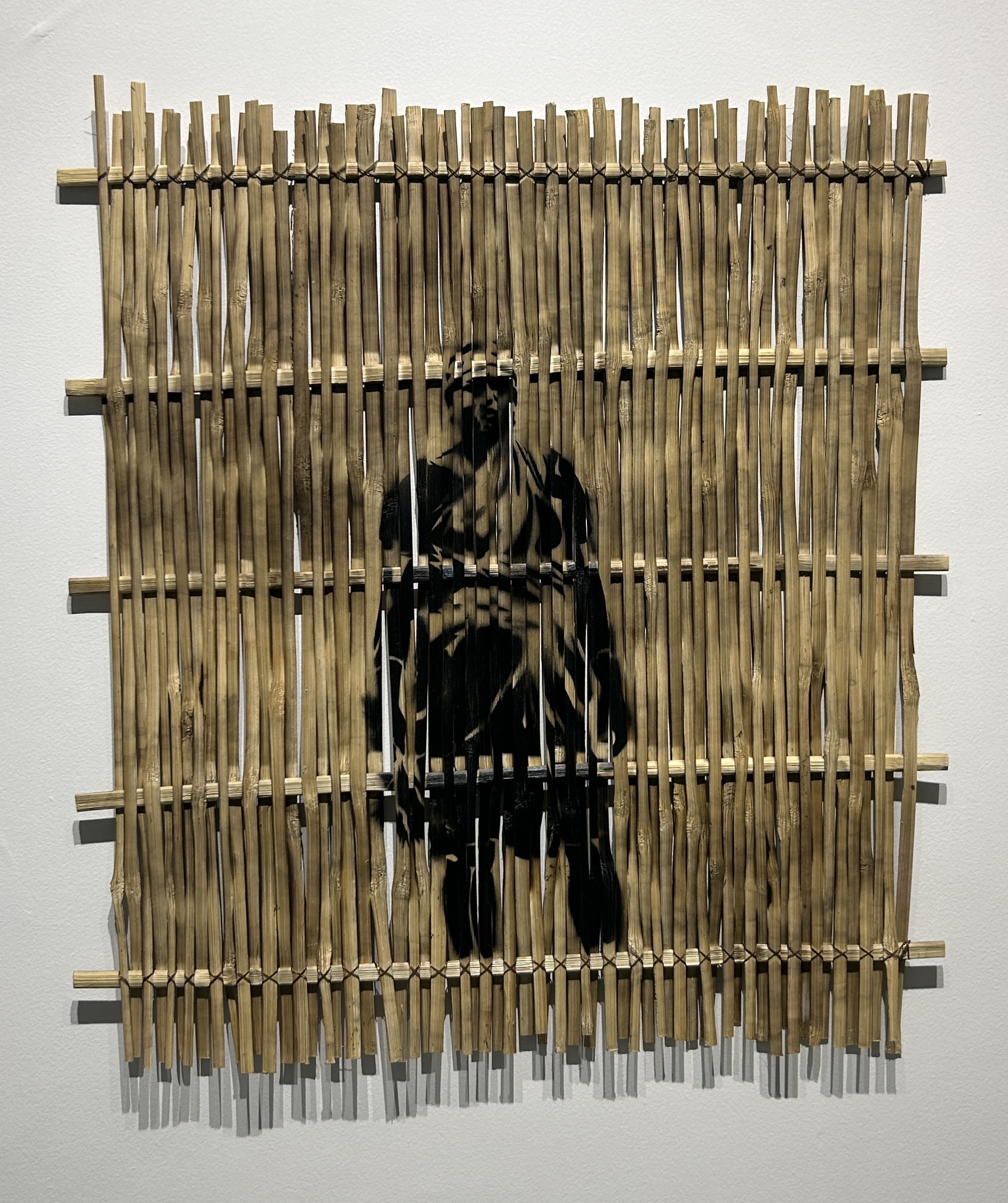
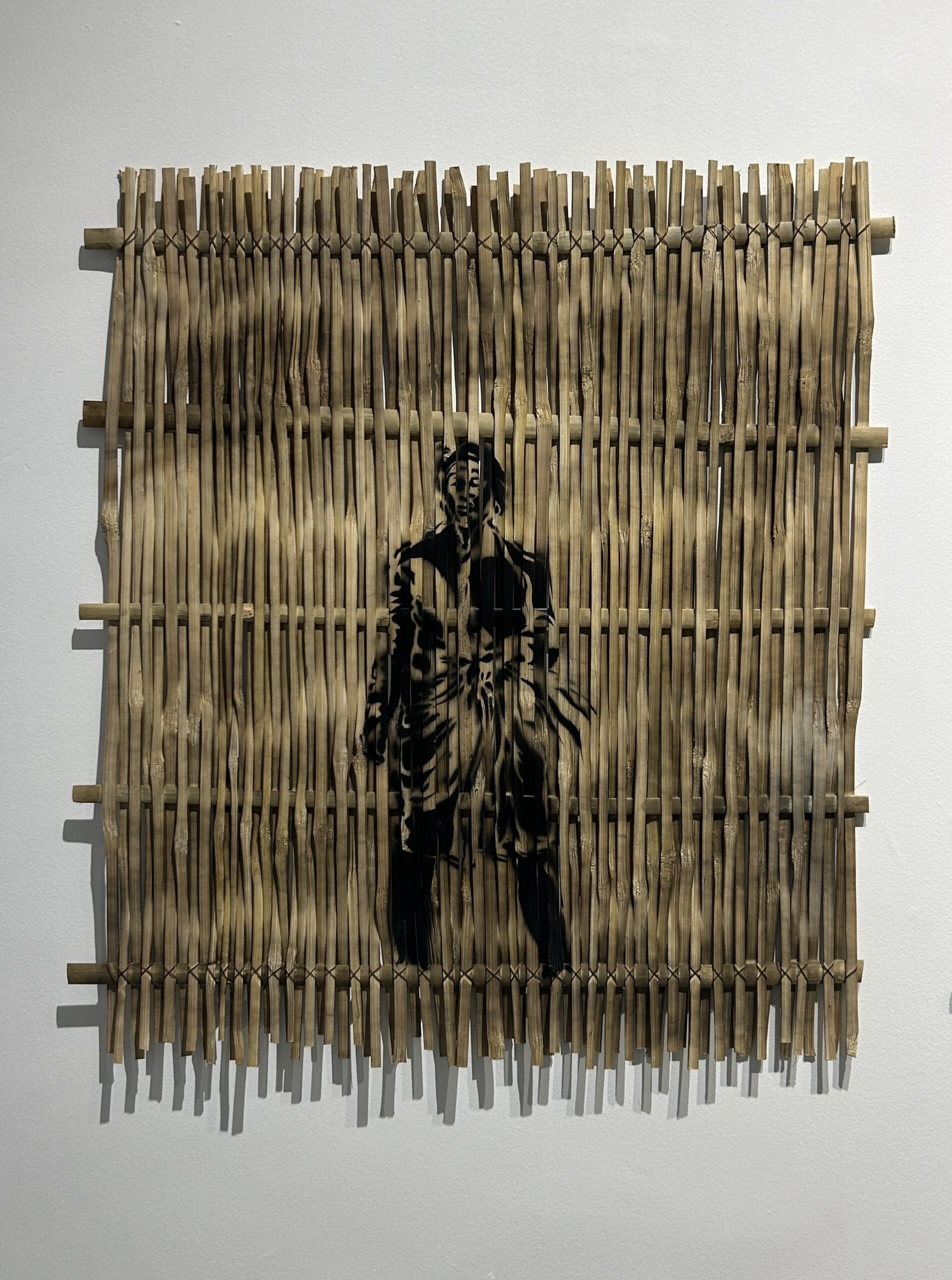
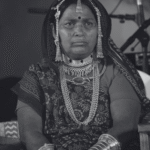
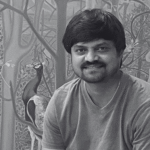
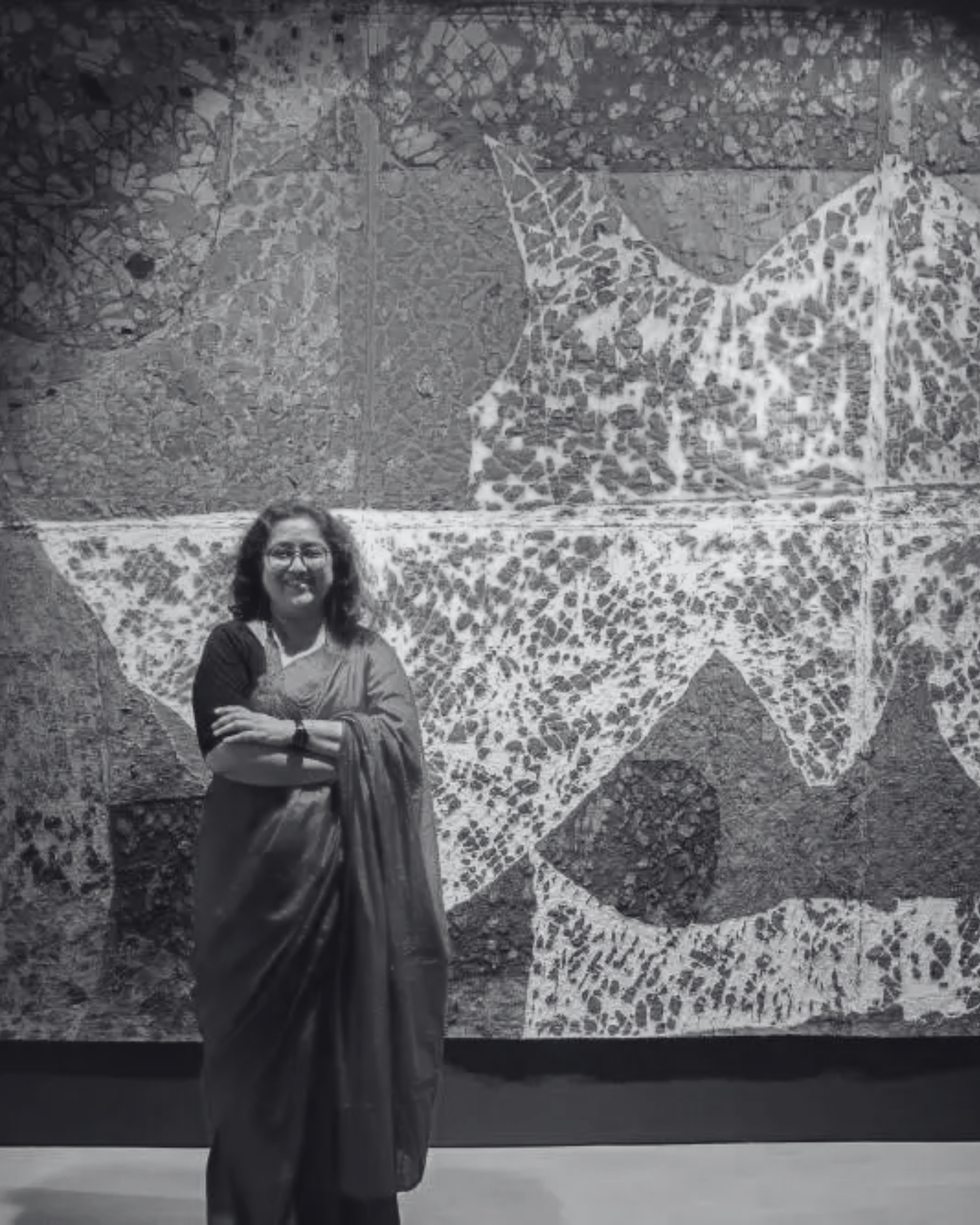
Hiren Patel’s oil paintings render the agricultural terrains of South Gujarat between his childhood memory and immediacy, tracing the tensions between inherited farming traditions and the environmental, technological and economic pressures reshaping them today. In Bhuri Bai’s paintings, which are grounded in Bhil painting tradition, she carries forward ancestral stories while absorbing the imprints of a changing world, demonstrating that indigenous knowledge systems are not static relics, but evolving and adaptive. Layered, weathered and stitched by hand, Vaishali Oak’s works, inspired by the Maharashtrian godhadi tradition, treat textile erosion as metaphor, suggesting that rural life bears marks of time, labour and renewal. Meanwhile, Mukesh Sah looks at climate change and the shifting weather patterns in the hills of Uttarakhand. In his mixed-media works Sah seeks to foreground the vulnerability of these landscapes while initiating a dialogue with the land and its enduring presence. Xewali Deka’s sculptural and photographic works reflect on agrarian labour and ecological fragility. Through material assemblages and observational imagery, she foregrounds the subtle shifts occurring within village communities in Assam where land, memory and survival are increasingly rearranged against forces of acceleration.
Wild Grass ultimately presents how villages are adapting to contemporary pressures and struggles. In doing so, the exhibition also reflects on how these changes may shape the futures we are collectively building. If our cities stand as a symbol of rapid urban growth, it is equally a reminder that the village persists within it: in labour, in memory, in material.
~ Yash Vikram